Home ›
SW Florida
› Briefs
Collier County
Marco Island's 23 million dollar bond question is separated by four votes with all three of its precincts counted, a margin far inside the half a percent that forces a recount under Florida law
Money & World
The Editorial Team · August 19, 2026
Stock photo
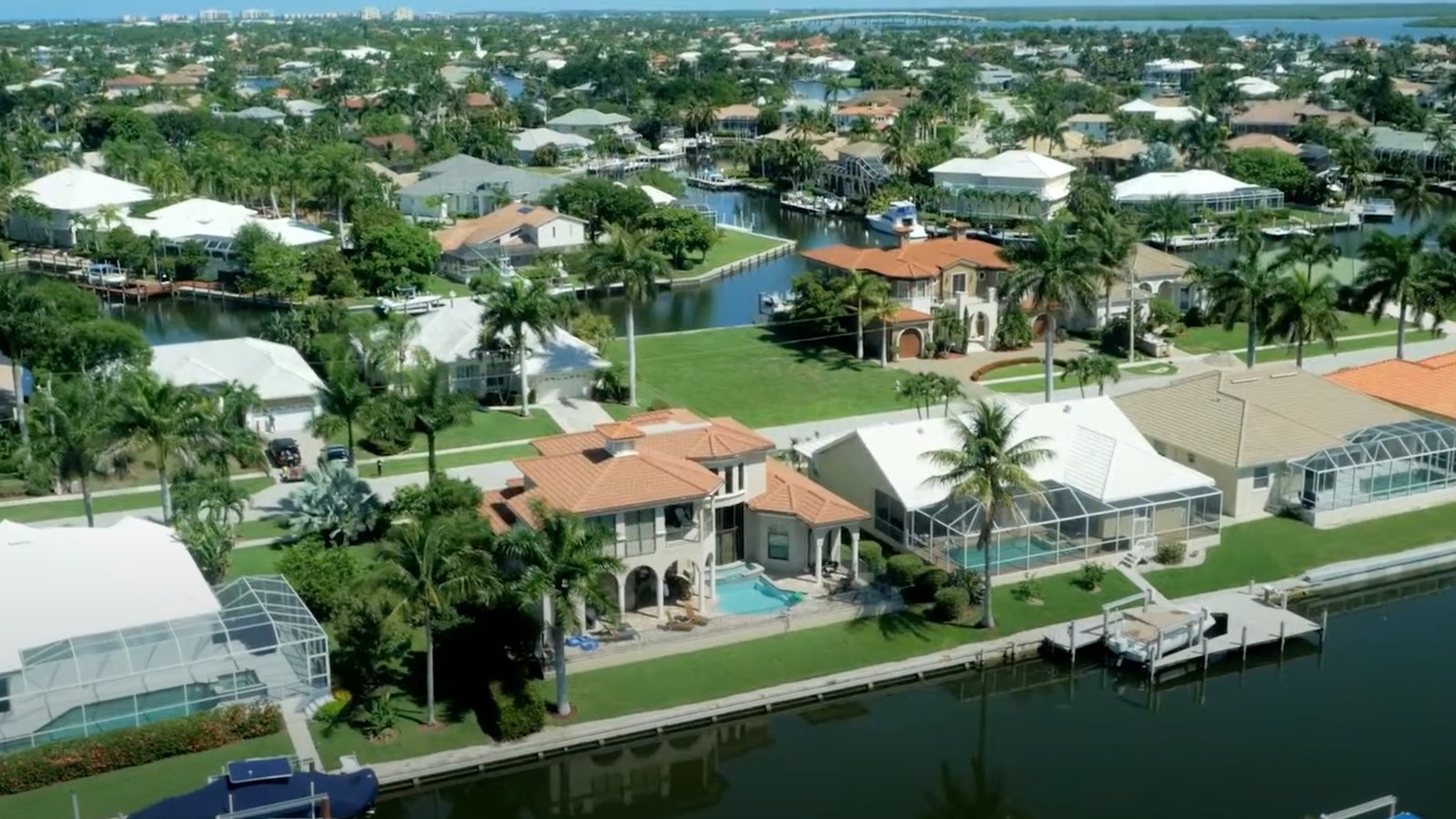
Stock photo. Not the actual scene. Photo: MART PRODUCTION / Pexels
What it changes
Marco Island asked its voters for permission to borrow up to 23 million dollars against property taxes, and with all three of the city's precincts counted the answer is four votes. Yes leads 2,251 to 2,247 on 4,498 ballots. That is a margin of 0.09 percent, and it matters because of where it sits relative to Florida law. Section 102.141(7) of the statutes says that where the unofficial returns show that a measure appearing on the ballot was approved or rejected by one-half of a percent or less of the votes cast on such measure, a recount shall be ordered. Four votes out of 4,498 is not near that line. It is a fraction of it. The important word in the statute is unofficial, and tonight's numbers are not yet the ones it keys to. Collier's own page is headed preliminary results, one precinct in the county is still out, and the office states under Florida law that 394 vote by mail ballots remain uncounted. Vote by mail cures and provisional ballots run past election night, and the canvassing board does its work in the days that follow. So the honest description of the Marco question tonight is that it is undecided, and that the mechanism which decides it is a process rather than a broadcast. Nobody should read a four vote lead as approval, and nobody should read it as rejection either. What is settled is the money on the other side of the county line. Bonita Springs approved general obligation bonds of up to 35 million dollars for the Bonita Estero Rail Trail, 8,749 votes to 4,065, which is 68.28 percent to 31.72 percent with all eight of the city's precincts counted. That is not a close question and it will not be revisited. Bonita property owners have voted to put debt service on the Bonita Estero Rail Trail into their own millage for as long as thirty years, secured on all taxable property in the city, which is the arrangement the ballot notice set out and which this desk quoted on the morning of the vote. The vote by mail split is the part worth noticing on both measures, because it points in opposite directions. In Bonita, mail voters carried the trail: 5,423 yes to 2,400 no, a much wider margin than the votes cast on the day. In Marco, mail voters carried the yes side too, 1,240 to 766, but Marco's election day voters ran the other way, 758 no to 522 yes, and early voters likewise, 723 no to 489 yes. A measure that was ahead by nearly 500 among mail ballots came back to four votes once the people who turned out in person were counted. Two electorates, in effect, voted on the same kind of question and did not agree with each other. For a homeowner the practical difference between the two results is a settled cost and an unsettled one. Bonita's is now authorised, and what it costs will be set when the bonds price. Marco's is neither authorised nor refused, and the city put the cost of the full 23 million at 97 dollars a year on a home valued at a million dollars, a figure verified here on August 14 against the city's own resolution. Marco's ballot money is for two bridge replacements, Caxambas and Goldenrod, and 36 lane miles of overdue paving, which are the kind of assets that do not become cheaper for being deferred. Elsewhere in Lee, Cape Coral's three charter amendments were all leading heavily on the same returns, on the Mayor Pro Tem, on candidate eligibility and on proof of residency, the narrowest of them at better than seven votes in ten. Those cost nothing directly. Countywide turnout was 26 percent in Collier and 28.16 percent in Lee. On those numbers, in a city of Marco's size, four votes is roughly one household.
 Stock photo
 Stock photo
Marco Island
Stock photo
Marco Island
 Stock photo
Marco Island
Stock photo
Marco Island
 Marco Island
 Stock photo
Marco Island
Stock photo
Marco Island