Houthis strike Saudi oil hubs at Jizan and Yanbu, a day after Saudi strikes on Hodeidah
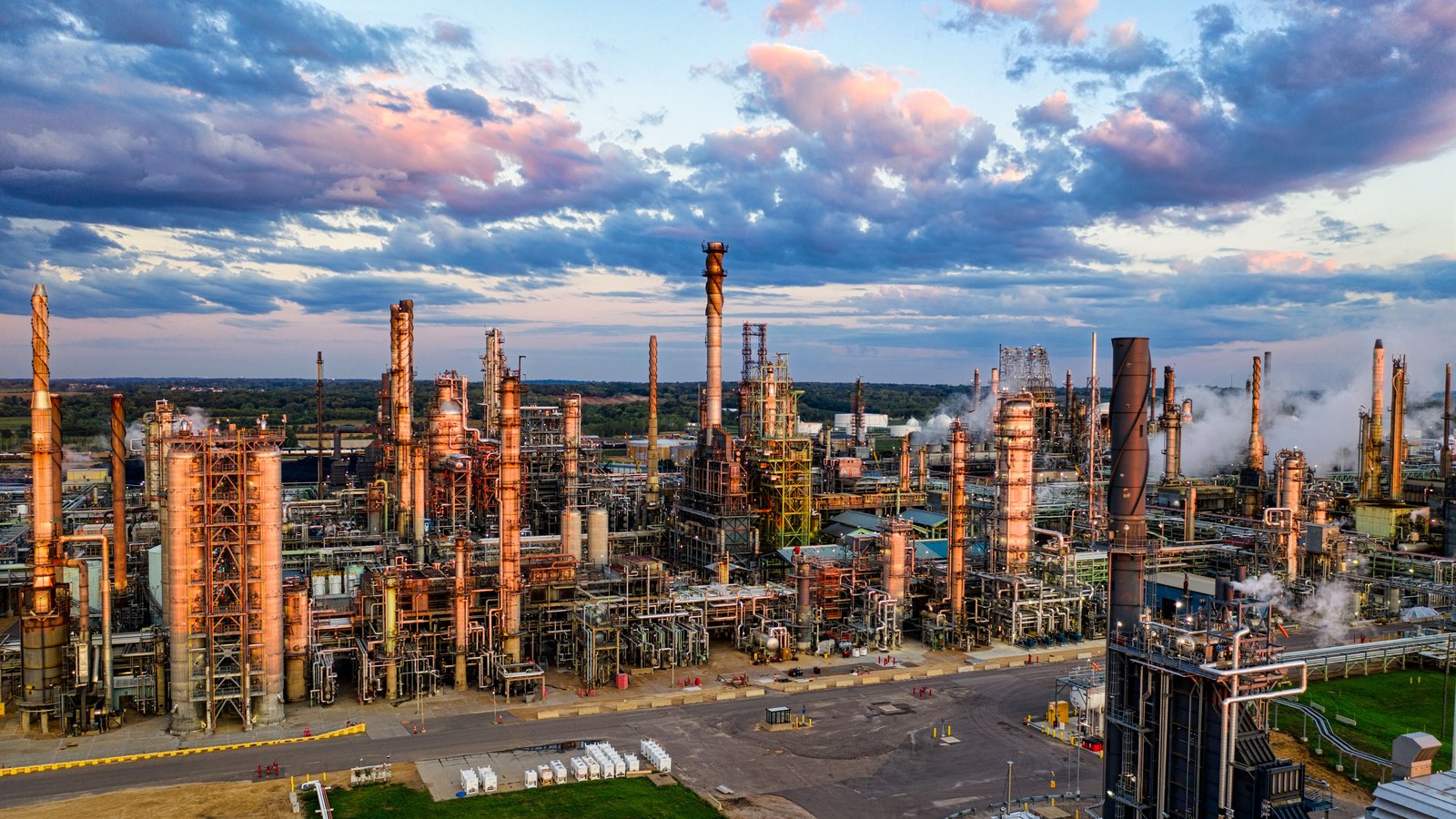 Stock photo
Yemen's Iran-backed Houthi forces said Saturday they had struck Saudi Aramco energy facilities in two Saudi cities at once. The barrage answered Saudi-led coalition strikes on Houthi-held Hodeidah the night before. CNN, CNBC and Al Jazeera reported the exchange.
In their own statements, the Houthis said they had targeted Aramco-affiliated facilities in Jizan, on the Red Sea coast near the Yemeni border, with dozens of ballistic missiles and drones, and facilities in Yanbu, one of the kingdom's largest refining and petrochemical hubs further north, with a separate barrage of ballistic and cruise missiles and drones. Those are the group's own claims. What can be verified independently is narrower and points to Jizan. CNN said it geolocated video showing large fires in an industrial area of Jizan that is home to a major oil refinery, and that NASA satellite fire detection recorded fires near the refinery early Saturday. For Yanbu, according to Greek security sources, Saudi air defenses intercepted two ballistic missiles aimed at oil refineries there.
Saudi Arabia had not confirmed the Houthi claims or any damage as of midday Saturday, but its civil defence directorate issued three alerts for Yanbu within a few hours, an official acknowledgment that the city was under threat, and then announced that the danger there had passed. The strikes being answered came first. Late Friday the Saudi-led coalition hit Houthi-held Hodeidah, where the Houthi-run Al Masirah television said telecommunications facilities and Kamaran Island were struck, and the coalition spokesman, Major General Turki al-Malki, said the targets were military sites the group uses to threaten commercial vessels, according to Al Jazeera. The Houthi-run foreign ministry called those strikes the start of a phase of escalation for escalation. Saturday's barrage was the reply, which makes this a direct exchange between Saudi Arabia and the Houthis rather than a widening of the war the United States has been fighting with Iran.
This did not come out of a calm week. The Houthis announced a naval blockade of Saudi shipping on July 20, and on July 22 they claimed strikes on two Saudi oil tankers in the Red Sea. Those tanker attacks were what pushed Brent crude to settle at $100.69 a barrel on July 23, its first close above $100 since late May, and carried the 10-year Treasury par yield to 4.71 percent, the highest reading on that series in 2026. Saturday's attack moves the target from ships transiting the sea to fixed energy infrastructure on Saudi soil, which is the more consequential category. The Jizan refinery can process about 400,000 barrels of crude a day, a figure Maritime Executive puts at roughly 4 percent of Aramco's oil and liquids output on an ordinary day. Whether any of that capacity is offline is not known. Neither Aramco nor the Saudi government has published an operational status for the plant.
The US market impact is not visible today, because oil futures and stocks do not reopen until Sunday evening. What is already fixed is the starting point. Rate futures had moved to an 82 percent probability of a Federal Reserve increase in September, up from 52 percent a week earlier, on the back of the oil move alone. A confirmed hit on Saudi refining capacity, if it materializes, would test whether Brent holds above $100 or pushes higher, and crude at that level reaches ordinary households through the financing rate first and the pump price a week or two later.
No single official document anchors this account. The Houthi military statements, the Saudi civil defence alerts, the coalition spokesman's statement, and the reporting from CNN, CNBC and Al Jazeera are the record so far, and Saudi Arabia has not published a damage assessment. The attack claims belong to the Houthis. The fires at Jizan are independently supported by CNN's geolocation and NASA's satellite data, and the account of the Hodeidah strikes rests on Al Masirah's reporting of the targets and the coalition's own statement about them. This brief will be updated only against confirmed developments, not against either side's claims of success.
Correction, July 25, 2026, 10:40 ET. An earlier version of this brief said Saudi Arabia struck Houthi targets inside Yemen after Saturday's attack on Jizan and Yanbu, and the headline described those strikes as hitting back. The sequence was the other way round. The Saudi-led coalition struck Hodeidah late Friday, and the Houthi attack on the two Aramco sites on Saturday was presented by the group as the response. The headline, the summary and the body have been corrected, and the coalition spokesman's account of the Friday strikes has been added.
Where we read it: CNN.
The document: No public filing has been released.