Solesence says ten sets of accounts going back to 2023 can no longer be relied upon, and the cause is how it pushed labour and overhead into inventory
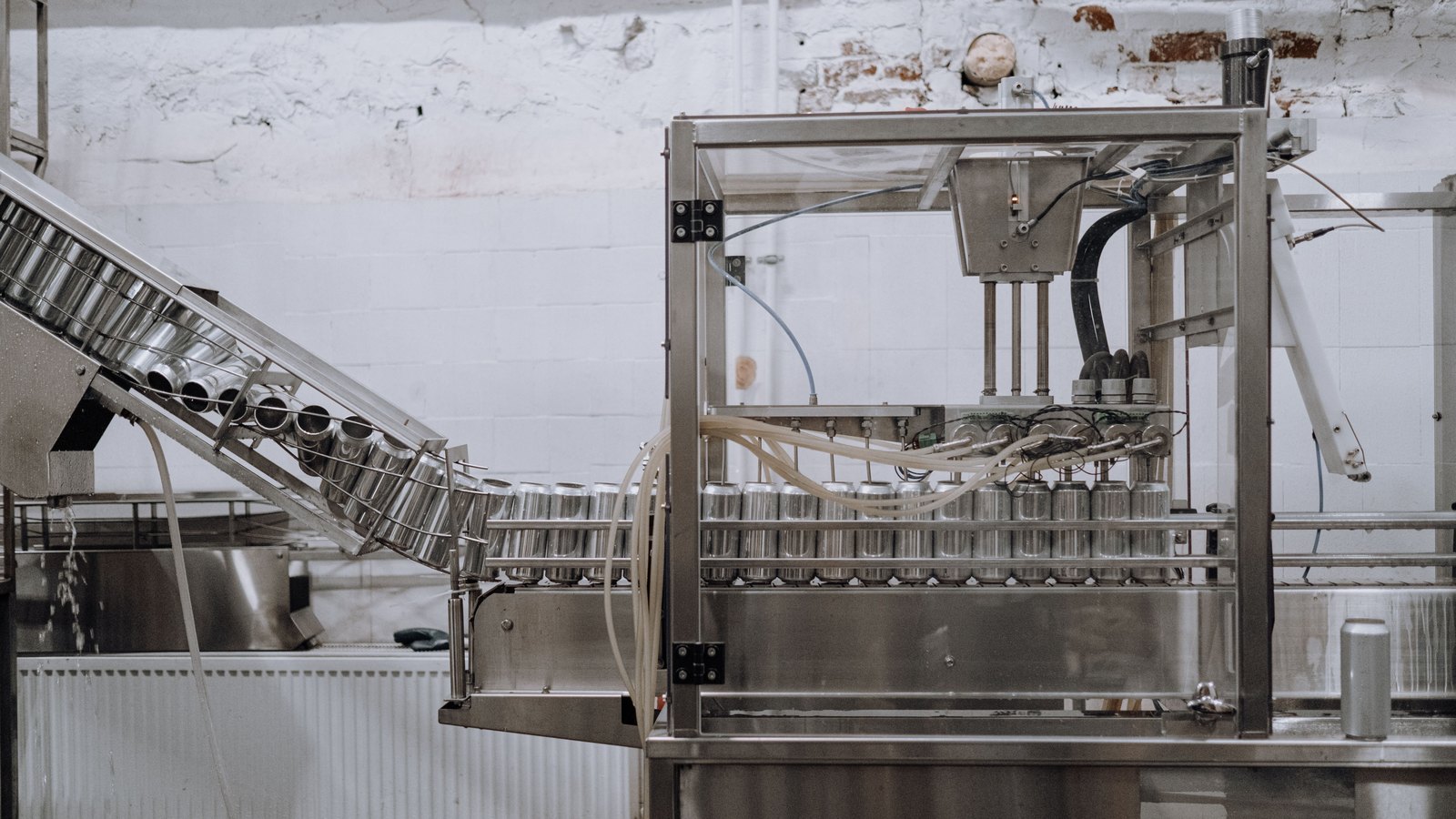 Stock photo
The problem is not what Solesence sold. It is what the company left sitting on the shelf.
Solesence, Inc. told the Securities and Exchange Commission on Friday that ten sets of previously issued financial statements should no longer be relied upon, and that all ten will be restated. The oldest is the year ended 31 December 2023. The newest is the quarter ended 31 March 2026. Three annual reports and seven quarterly reports are to be amended, which the company says it expects to do in the coming weeks.
The audit committee, the board and the executive officers reached that conclusion on 17 August. The filing landed four days later, at half past twelve on a Friday afternoon.
Budget-based percentages
The errors are in how labour and overhead were capitalised into inventory.
Solesence says the historical process split those costs between raw materials, work in process and finished goods using "budget-based percentages and allocation bases that were not sufficiently supported." It says the same process did not consistently limit capitalised costs to eligible acquisition and production costs, did not consistently allocate variable overhead on actual activity, did not consistently allocate fixed overhead on normal capacity, and did not consistently adjust standard or budgeted amounts so that they approximated actual cost.
Those four read close to a recitation of what ASC 330 requires, and the company states the conclusion plainly: the historical process did not comply with it. Inventory costing is one of the places where an accounting policy has a short route to the income statement, because every dollar capitalised into inventory is a dollar not yet charged to cost of revenue. Carry too much and profit looks better until the goods move.
What was found, and when
The errors surfaced during the review of inventory accounting for the quarter ended 30 June 2026, which the company had already disclosed in the Form 10-Q it filed on 19 August. Friday's filing is the formal Item 4.02 notice that follows.
The company says inventories were overstated and cost of revenue was misstated, and it lists the consequences: gross profit, operating income or loss, income or loss before income taxes, net income or loss, basic and diluted earnings or loss per share, accumulated deficit, total stockholders' equity and the related disclosures. It says the correction was determined from its own accounting records, naming general-ledger and inventory detail, cost-pool and burden-rate schedules, inventory roll-forwards and its internal inventory-cost model. The audit committee has discussed the matter with the company's independent accountant, which the filing does not name.
No number appears anywhere in it. Not the size of the overstatement, not the effect on any single period, not a range. That arrives with the amendments.