Lee County has the second-highest cyclosporiasis case count in Florida as the state's parasite outbreak keeps climbing
 Stock photo
Florida's latest weekly surveillance report ranks Lee County second in the state for confirmed cases of cyclosporiasis, the intestinal illness caused by the microscopic Cyclospora parasite. WGCU, the NPR and PBS station for Southwest Florida, reported that Lee has logged 16 confirmed cases since May 1, behind only Miami-Dade County, out of more than 150 statewide. WLRN and WUSF, drawing on the same state report, put the numbers in the same place.
The figures come from the Florida Department of Health, which tracks cyclosporiasis as a reportable disease and updates the tally every Thursday with data running through the previous Saturday. That reporting cadence means Lee County's 16 is a running count for the period since May 1, not a same-day snapshot, and it has been rising week over week as the state works through a backlog of laboratory-confirmed and probable infections.
Cyclosporiasis is a foodborne illness, not a contagious one. A person does not catch it from another person; they catch it by eating fresh produce or drinking water contaminated with the parasite, and the parasite needs time outside the body before it can infect someone else, which is why outbreaks track back to a food source rather than to sick contacts. The symptoms are watery diarrhea, stomach cramps, nausea, loss of appetite, and fatigue, and they can persist for weeks and relapse if the infection is not treated with the right antibiotics.
Federal investigators have connected the broader multistate outbreak to iceberg lettuce. The U.S. Food and Drug Administration's traceback pointed to lettuce grown in central Mexico, and Taylor Farms recalled affected products on July 17, including items sold under Walmart's Marketside brand. State health officials have stopped short of confirming that every Florida case is tied to the same lettuce, so the safest reading is that the recalled products are the known risk while the investigation continues.
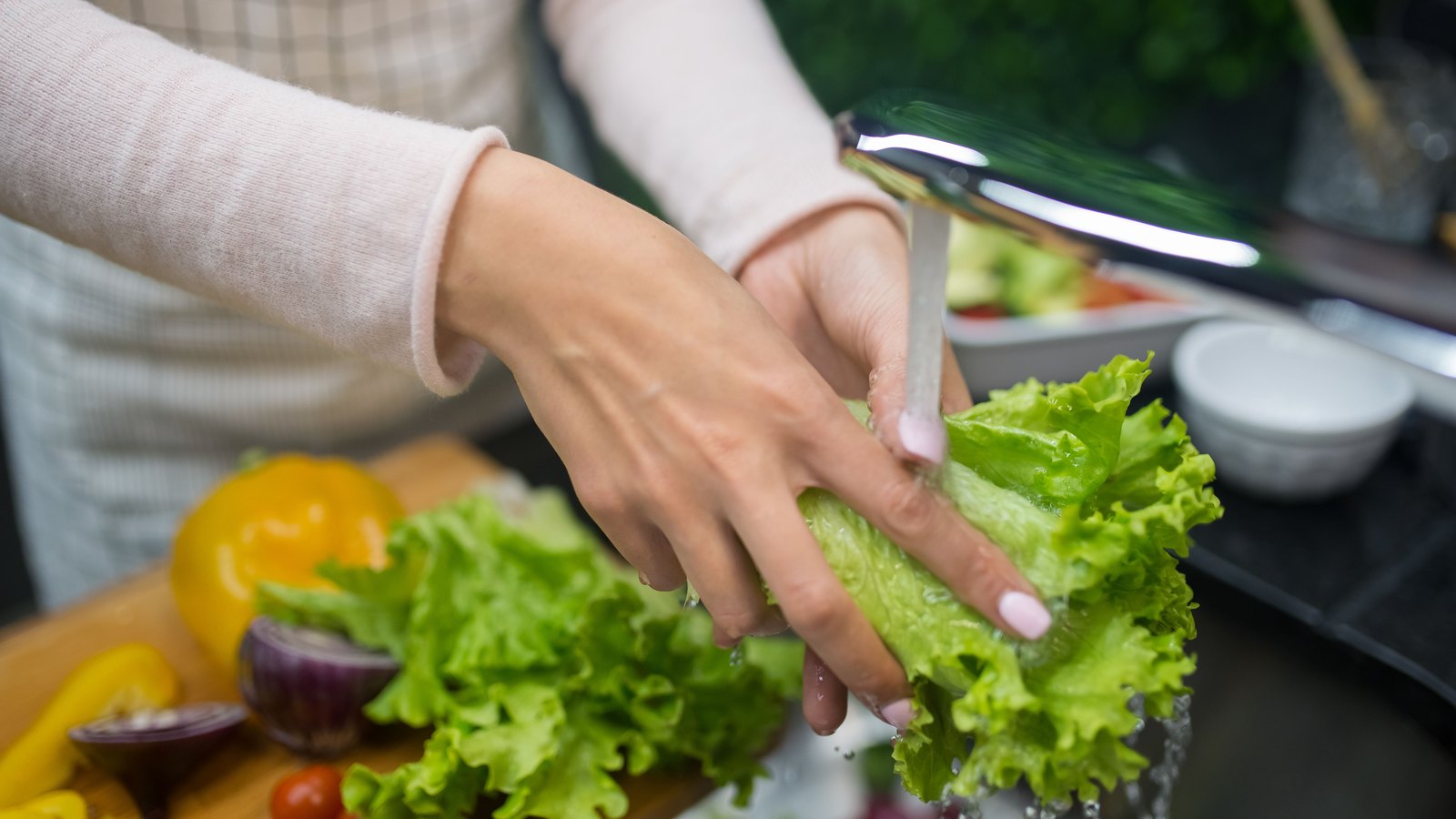
For a Lee County household, the guidance is straightforward: check the refrigerator against the recall and discard anything it covers rather than trying to eat around it, and wash fruits and vegetables thoroughly before cutting or eating them, keeping in mind that rinsing lowers the risk but does not guarantee the parasite is removed. Anyone with diarrhea that lasts more than a few days should see a doctor and ask specifically about a test for Cyclospora, because it is not always included in a standard stool panel and is treated differently from an ordinary stomach bug.
This is a public-health advisory, not an emergency in progress. No one has died in the national outbreak, and there is no evacuation, closure, or utility action attached to it. The reason it belongs on a Southwest Florida page is simply that Lee County sits near the top of the state's count, and the item that changes for residents is what is in the salad drawer this week.
Where we read it: WGCU.
The document: Florida Health CHARTS, cyclosporiasis reportable-disease data (Florida Department of Health).