The EEOC has proposed abolishing the EEO-1 and every other workforce report it collects, and it set the hearing date on Wednesday
 Stock photo
Every private employer above 100 people files a report that the agency collecting it now says may be unconstitutional.
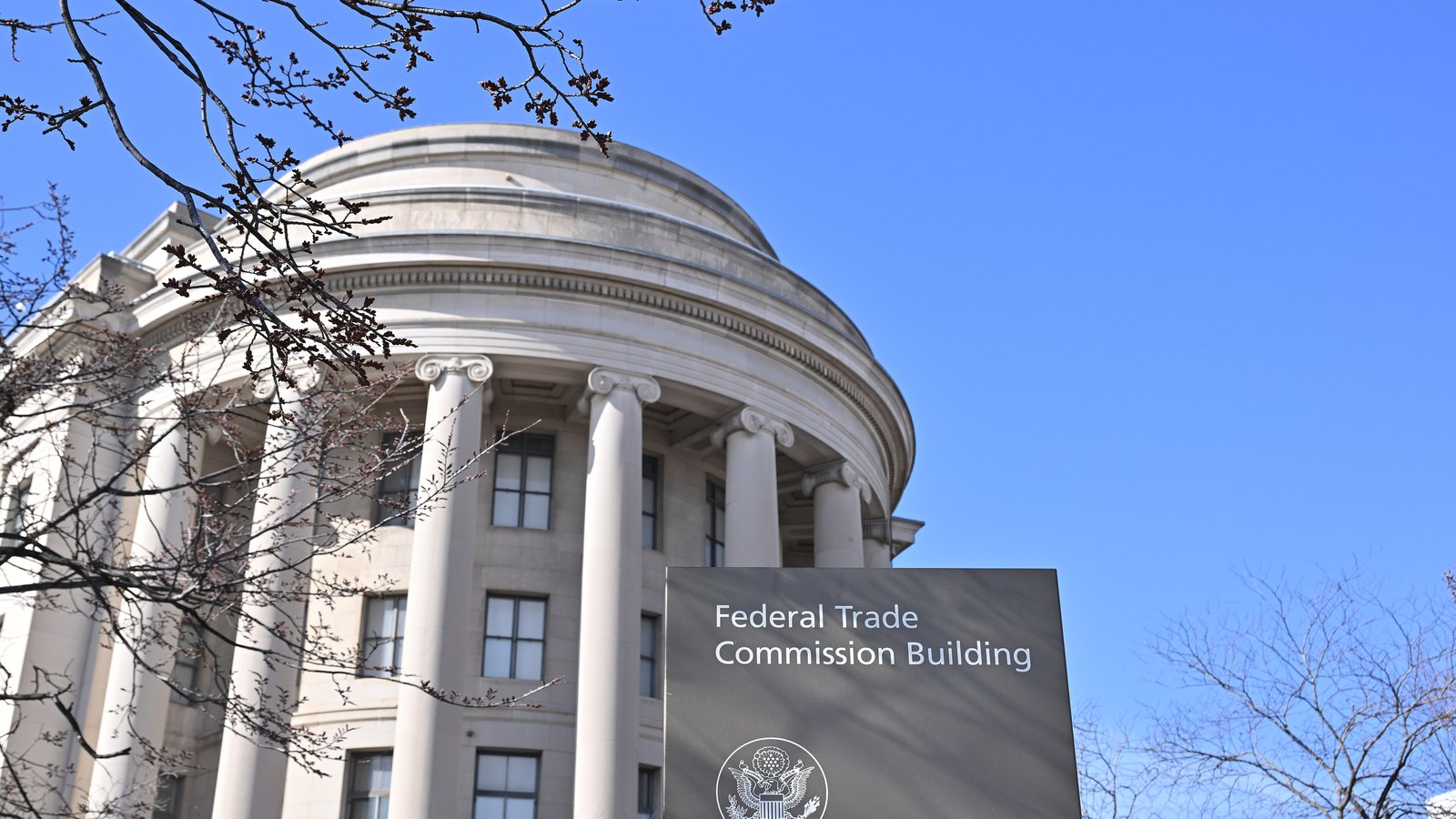
The Equal Employment Opportunity Commission proposed on July 23 to rescind the EEO-1 and its five siblings, the EEO-2 through EEO-6, along with the recordkeeping and record preservation rules attached to them at 29 CFR part 1602. On Wednesday morning it filed the notice fixing the hearing, for August 11 at 10 a.m. in Washington. This desk did not cover the proposal when it published, and it runs now because the comment period is still open until August 24 and the hearing has not happened.
The Commission's stated grounds are in the summary of its own rule. It says it has preliminarily determined that the reports are inconsistent with equal employment opportunity law and potentially unconstitutional, that the data collected is not narrowly tailored, that it is unnecessary to enforce the anti-discrimination laws, and that at a minimum any marginal benefit is outweighed by the burden on employers and on the Commission. Those are the agency's characterisations of its own collection, offered at the proposal stage. No final rule exists.
The hearing is not a courtesy. Section 709(c) of Title VII of the Civil Rights Act requires the Commission to hold a public hearing before imposing any new or changed recordkeeping or reporting requirement it deems reasonable, necessary or appropriate for enforcement, and the Commission is treating a rescission as falling inside that duty. Anyone wanting to testify had to file a written request with a summary of their remarks by August 7.
The numbers in the proposal are the Commission's, and they are large. Working from its 2023 Paperwork Reduction Act notice, it counts 110,000 private employer filers producing 2,235,938 reports a year, split between 65,743 headquarters reports at 50 minutes each and 2,060,195 establishment-level reports at 150 minutes each. That is 5,238,467 hours. At an assumed $34.87 an hour for the staff who prepare them, the Commission scores the annual saving to employers at $273,137,678.30 and presents it as a cost saving of the proposed action.
It also counts its own. The agency states it has incurred more than $18,000,000 in federal contractor costs collecting this data in the last five years, before staffing, and that administering the EEO-1 alone runs $3,892,230 a year, of which $3,258,616 is contractor cost. That last figure, it notes, is about 6 percent of its Other Program Support budget for fiscal 2027.
One piece of housekeeping sits inside the proposal and is easy to miss. In November 2024 the Commission proposed adding references to the Pregnant Workers Fairness Act to the same part 1602, and it says it now intends to fold those revisions into whatever final rule ends this proceeding. A rule that removes almost all of part 1602 would carry the pregnancy amendments in on the same day.
The EEO-1 dates to February 1966, adopted at 31 FR 2832 for joint use by the Commission and the Office of Federal Contract Compliance Programs, and the thresholds it set then, 100 employees or a federal contractor with 50, are the thresholds still in force. There is one precedent for what is being proposed now, and the proposal cites it. Component 2, the pay data collection added to the EEO-1 in 2016, was omitted when the Commission next sought renewal, on its finding that the significant burden was not justified by the practical utility. That was one component. This is the whole of part 1602.