FinCEN has made the beneficial ownership rollback permanent, and it will delete the roughly 15 million reports American companies already filed in a single sweep it does not intend to repeat
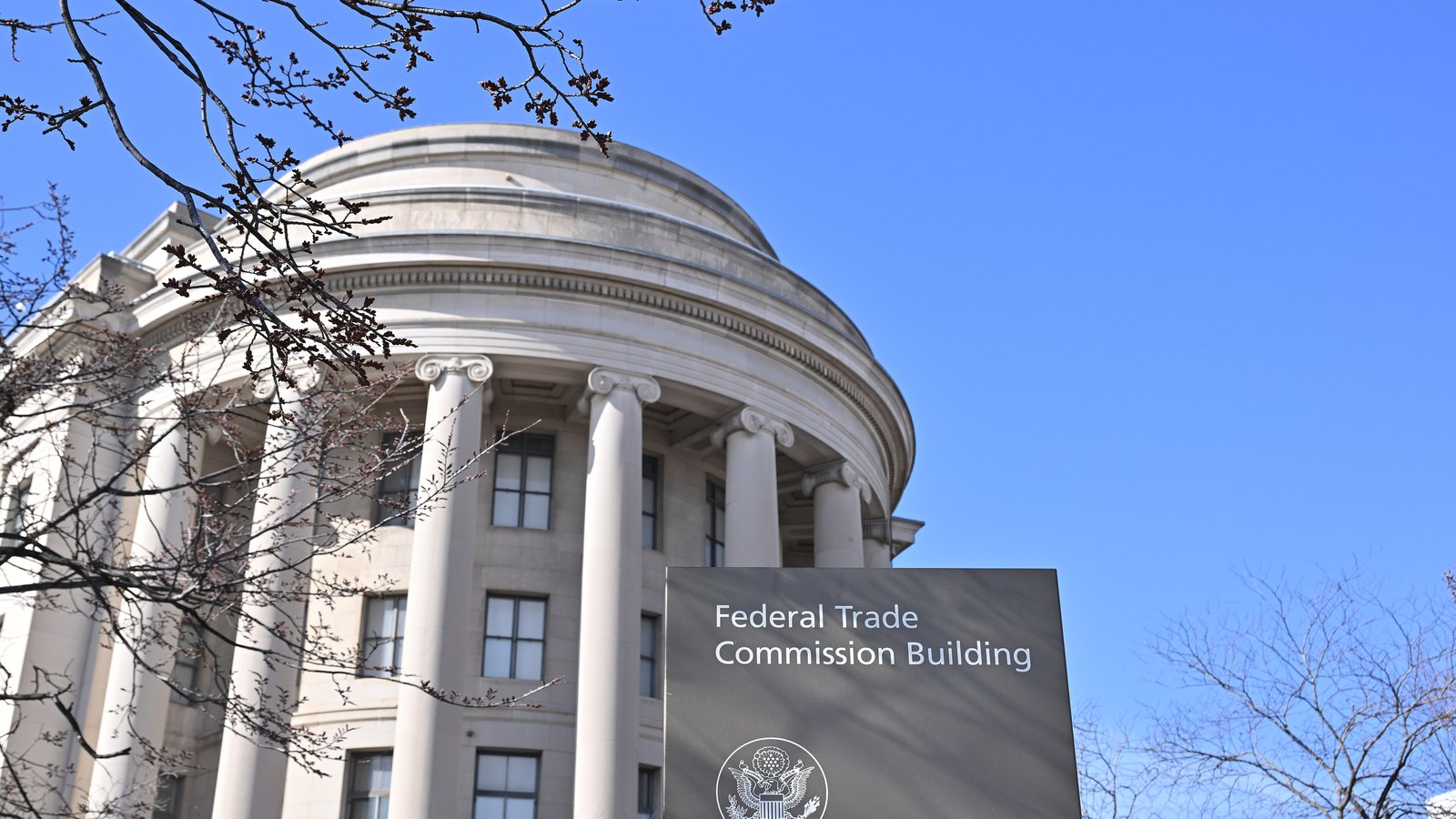
 Stock photo
Roughly 15 million reports. That is what American companies filed with the Financial Crimes Enforcement Network before the reporting requirement was pulled out from under them in March 2025, and the agency now says it will delete the lot in a single pass and tell nobody whose record went.
FinCEN issued a final rule on Tuesday adopting, with limited changes, the interim final rule of 26 March 2025 that exempted United States companies and United States persons from beneficial ownership reporting under the Corporate Transparency Act. The rollback stops being an interim measure and becomes the rule. The document had been sent to the Office of the Federal Register and was not yet on public display when this was written, and its effective date is still a bracketed instruction to insert the publication date rather than a date.
The final rule goes further than the interim one in three places. Foreign reporting companies no longer report their United States person company applicants, meaning the lawyers and agents who registered them here. A United States person holding a FinCEN identifier is released from the obligation to keep the information behind it current. And a foreign pooled investment vehicle registered in the United States no longer reports the beneficial ownership information of a United States person who controls it.
The database
The interesting part is what happens to what was already collected.
A large number of commenters asked FinCEN to delete the data or to build a way to request deletion, citing privacy, the sensitivity of the records and the risk that a standing database is eventually breached. FinCEN agreed with the direction and refused nearly every procedural request attached to it. It expects to identify United States persons from the identifying documents already in the filings, a United States passport or a driver's licence being the examples the document gives, and to remove those records working with the National Archives and Records Administration.
Then the qualifications, all of them in the agency's own words. It does not anticipate requiring or requesting that any company or person contact it. It does not intend to provide any acknowledgement or confirmation that a record has been deleted. It will post a notice on its website once the whole process is complete, and that is the only notice anybody gets. Commenters had asked for per-filer electronic confirmations, a published purge methodology, monthly written reports to the Secretary and an annual audit by the Comptroller General; FinCEN calls those requirements inadvisable and unnecessary and says none of them advance the point of the exercise, which is deleting information it should not be holding.
One sweep, not a recurring one. The document says FinCEN intends to complete the process one time, and that information about a United States person included in a filing made more than 180 days after publication, whether inadvertently or intentionally, is not anticipated to be deleted at all.
What the comment file looked like
FinCEN received 118 comment letters on the interim rule. Forty were clearly supportive, 28 were strongly opposed, and 50 came down on neither side. The writers included small business owners, trade groups, law firms, law enforcement agencies, transparency organisations, the secretary of state of a state and several United States senators.
"Today's action is a victory for common sense and American small businesses," Treasury Secretary Scott Bessent said in the announcement.
The money
The original 2022 reporting rule estimated 32,556,929 reporting companies in 2024 and 4,998,468 new entities a year. Against that baseline, FinCEN counts approximately 27.5 million companies relieved of reporting since the interim rule: the 17.5 million estimated to be outstanding after 15 million had filed, plus another 10 million expected across 2025 and 2026. Multiplied by the $665.71 weighted average cost per report carried over from the original analysis, the agency puts the saving at approximately $18 billion.
The recurring numbers are a reduction of approximately 53 million burden hours a year and approximately $9 billion a year, both rounded in the document itself.
Foreign entities that are reporting companies keep filing. They report beneficial ownership information for foreign individuals, and the statutory penalties continue to apply to them.
Update, 13 August
The bracketed effective date now has a number behind it. The rule went on public display at the Office of the Federal Register at 8.45 on Thursday morning as FR Doc. 2026-16576, carrying a publication date of 14 August, which is the date the rule takes effect and the date from which the 180 day cut-off on the deletion sweep runs.
The public inspection text also carries a figure the announcement did not. FinCEN has revised its estimate of the foreign reporting companies still covered from approximately 25,000 to approximately 28,000 in the first effective year, of which roughly 13,000 had already reported by the end of 2025, with approximately 1,800 new ones a year after that. Read against the 32,556,929 in the original 2022 analysis, that is the size of what the Corporate Transparency Act now reaches. Reports have continued to arrive at an average of about 100 a month since the interim rule.