Sanibel has put the first stretch of its hurricane replanting in the ground along Causeway Boulevard, and the city says the species were chosen because they were the ones left standing after Ian and Milton
Sanibel's first Roots in Resilience planting now lines Causeway Boulevard, WINK News reported in August 2026. The city chose the gateway corridor for its visibility and selected native species that had survived hurricane winds and storm surge. Donations, city funds and a federal forestry recovery grant paid for the work.
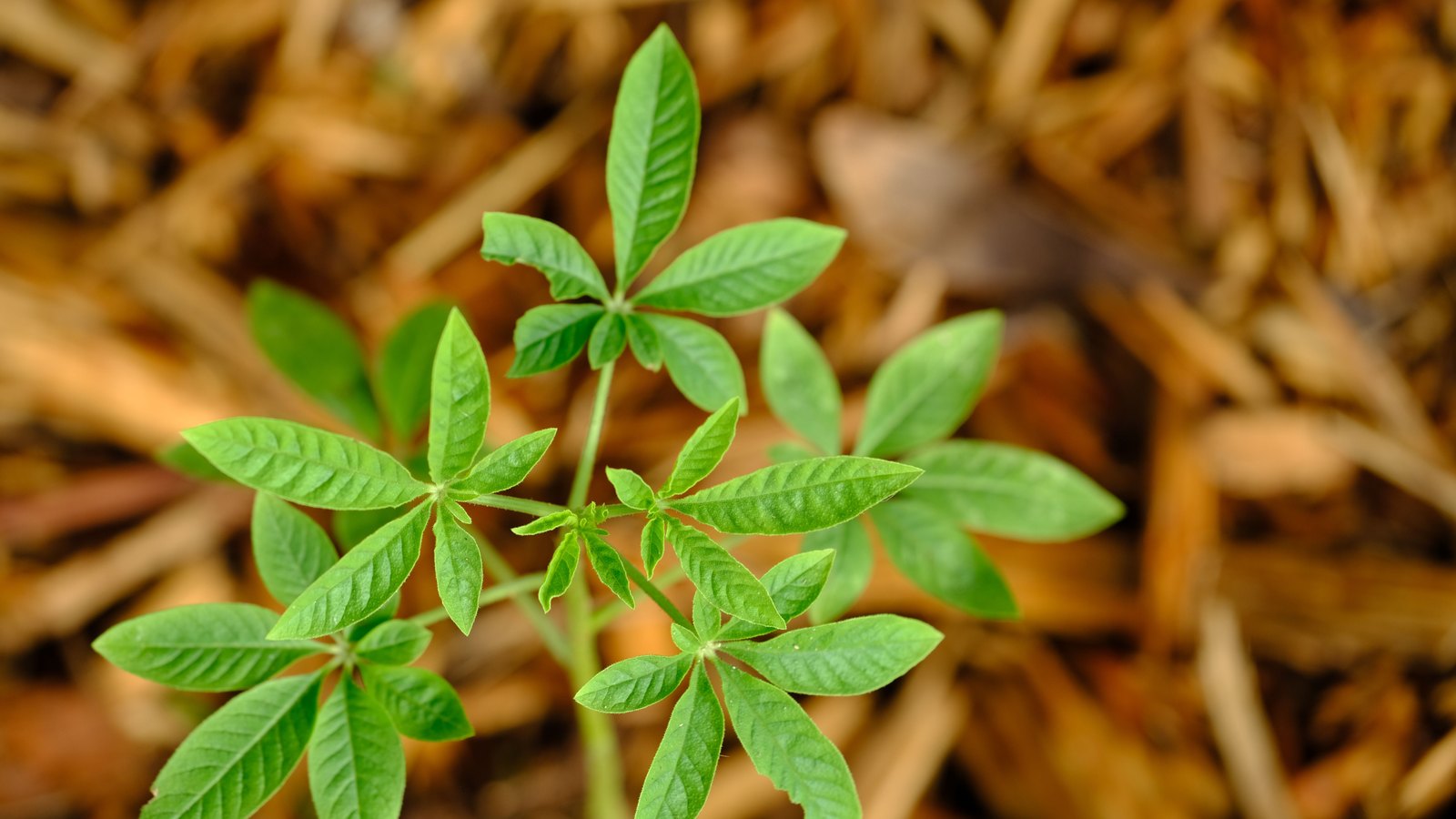 Stock photo
The first stretch of Sanibel's hurricane replanting is in the ground. Native trees, shrubs and ground cover now line Causeway Boulevard from the City of Sanibel sign to the Periwinkle Way intersection, WINK News reported.
Leigh Gevelinger, the landscape architect on the work, described what the island lost:
"We lost a lot of canopy as a result of these Category Four and Five hurricanes that spun through the island."
Eric Jackson, the Sanibel public information officer, listed what has gone back in:
"Everything from, you know, the canopy that they're putting in, like the gumbo limbo here, down to the silver buttonwood. I mean, there's all kinds of ground cover that's put in."
WINK reports the effort is tied to Sanibel's 50th anniversary. The city's own notice on the project does not mention the anniversary, and that framing is the outlet's.
The City of Sanibel published its account of the work on 3 July, ahead of a 6 July start it expected to take three to four weeks. It describes Roots in Resilience as a citizen led initiative whose stated goal is to re-green, reforest and replant Sanibel with native trees and plants following the hurricanes of 2022 and 2024, which the city says severely impacted the island's plant and tree population. The group was initiated by Vice Mayor John Henshaw and is represented by Sanibel residents, the city, the Sanibel-Captiva Conservation Foundation, the Charitable Foundation of the Islands, the Sanibel-Captiva Chamber of Commerce and Coastal Vista Design landscape architects.
The corridor was not picked at random. After Hurricane Ian, the city says, it worked with FEMA's Community Assistance program to identify vegetation needs and landscape enhancements along the island's main road corridors, and Roots in Resilience then selected Causeway Boulevard as the first project area because of its visibility as the gateway to the island. The city describes the work as running from the Causeway to the four way stop. Design was by Coastal Vista Design and installation by Juniper Landscaping.
On the plants themselves, the city is explicit about the standard it used. Selection focused on species that showed resilience in the face of extreme hurricane force winds and storm surge.
The funding came from three places: donations to the Roots in Resilience fund, the City of Sanibel, and a grant awarded to the city by the United States Forest Service in partnership with the Florida Department of Agriculture and Consumer Services, through the Urban and Community Forestry Hurricane Ian Recovery Grant Program. Neither the city nor the outlet has published a dollar figure for any of the three, or a total, and none is estimated here. No tree count for the corridor has been published either.
More Roots in Resilience projects are planned for other areas of the island, the city told WINK. Which corridor comes next has not been said.
Where we read it: Jillian Haggerty at WINK News. Read their story.
The document: City of Sanibel, Native Planting Project to Enhance Sanibel's Gateway Corridor Begins July 6th, notice 3 July 2026.