The $31m JBS has agreed to pay over the Pilgrim's Pride charter amendment goes to Pilgrim's Pride, and the shareholders who brought the case receive nothing directly
The money goes to the company. That is the first thing the court-authorised notice tells Pilgrim's Pride shareholders, and it is the part most likely to be misread: JBS will pay $31,000,000, it will pay it to Pilgrim's Pride, and no individual holder receives a cheque. There is no claim form. Stockholders need do nothing at all.
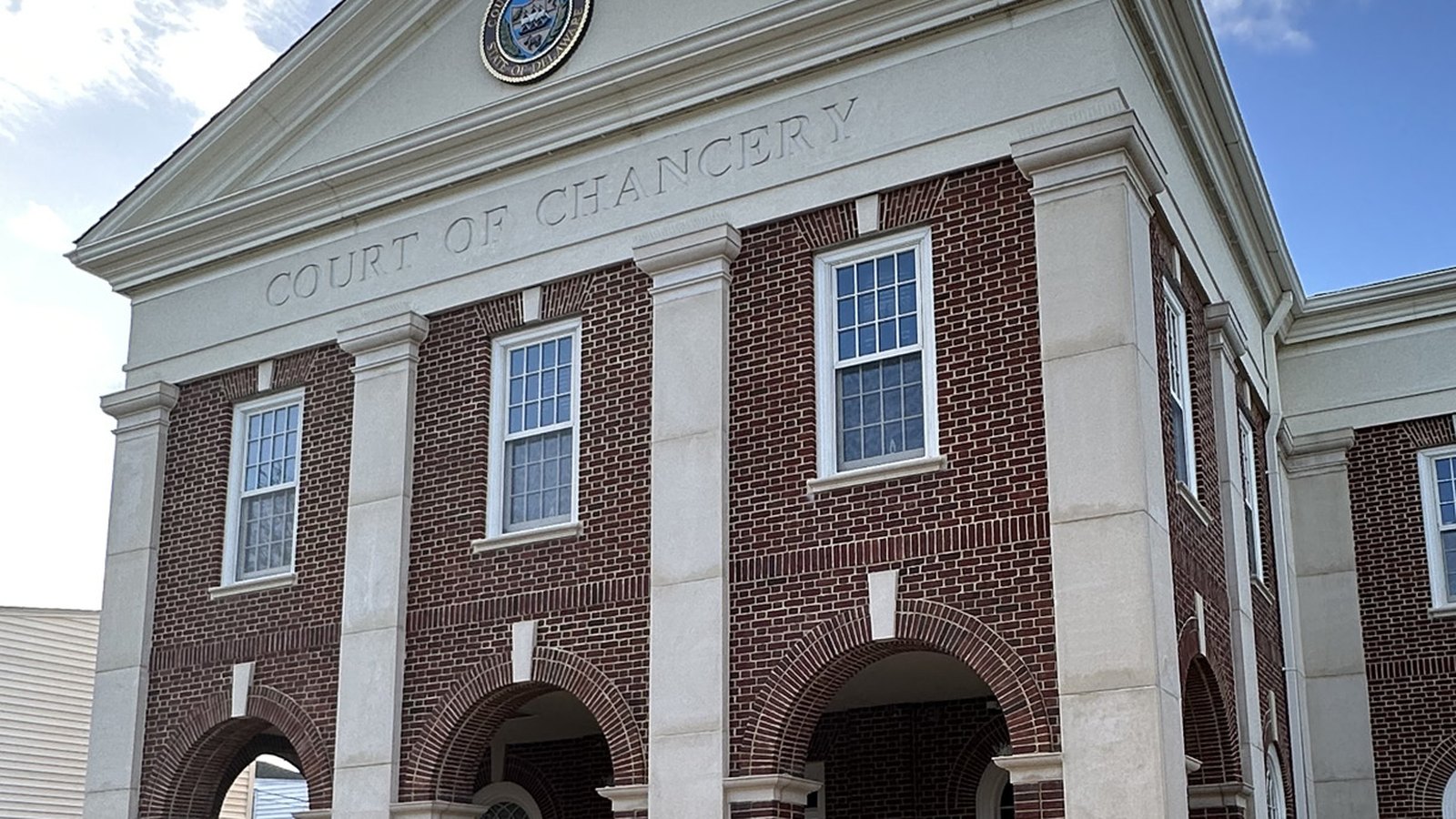
The settlement was reached in principle on 4 August and disclosed on Friday evening, and it needs the approval of the Delaware Court of Chancery before it is anything.
What the case was about
In October 2024 Pilgrim's Pride told its shareholders that the board had approved an amendment to the certificate of incorporation and had entered into a Tax Sharing Agreement with JBS, which owned at least 80 percent of the company then and still did when the settlement papers were signed.
The amendment fixed the board at ten directors and gave JBS the right to elect eight of them, for as long as its holding stayed above 80 percent. The Tax Sharing Agreement set out how JBS would share part of its tax savings with the company. Shareholders approved the amendment on 23 December 2024 and it took effect a week later.
In July 2025 the City of Miami Beach Fire and Police Pension Fund and a second holder, Bruce Taylor, sued. They alleged breaches of fiduciary duty by JBS as controlling stockholder and by nine directors, on two grounds: that the charter amendment let JBS consolidate the company for tax purposes and gave JBS benefits the other shareholders did not share, and that the Tax Sharing Agreement was entered into without negotiating an equitable division of what it produced.
The defendants moved to dismiss in October, arguing that the claims belonged to the company rather than to the shareholders, that no pre-suit demand had been made, and that both transactions fell inside the safe harbour in Section 144 of the Delaware General Corporation Law.
None of that was decided. The notice says so in capitals: the court has made no findings, and its recitation of the case is not an expression of any opinion on the merits.
The fee, and the date
Four firms acted for the plaintiffs, and none has been paid anything so far. They will ask the court for fees and expenses of no more than $4,805,000, taken out of the $31m rather than added to it. That cap is 15.5 percent of the fund, and if it is awarded in full the company keeps $26,195,000.
Vice Chancellor Paul A. Fioravanti, Jr. will hear the application on 20 November at eleven in the morning in Wilmington. The notice cautions that the date and the format may both move without anyone being written to again.