The rule governing arbitration of out-of-network medical bills took effect on 3 August with the paragraph making the arbitrator's decision binding missing from its text
The rule everybody has been working from does not say what it was meant to say.
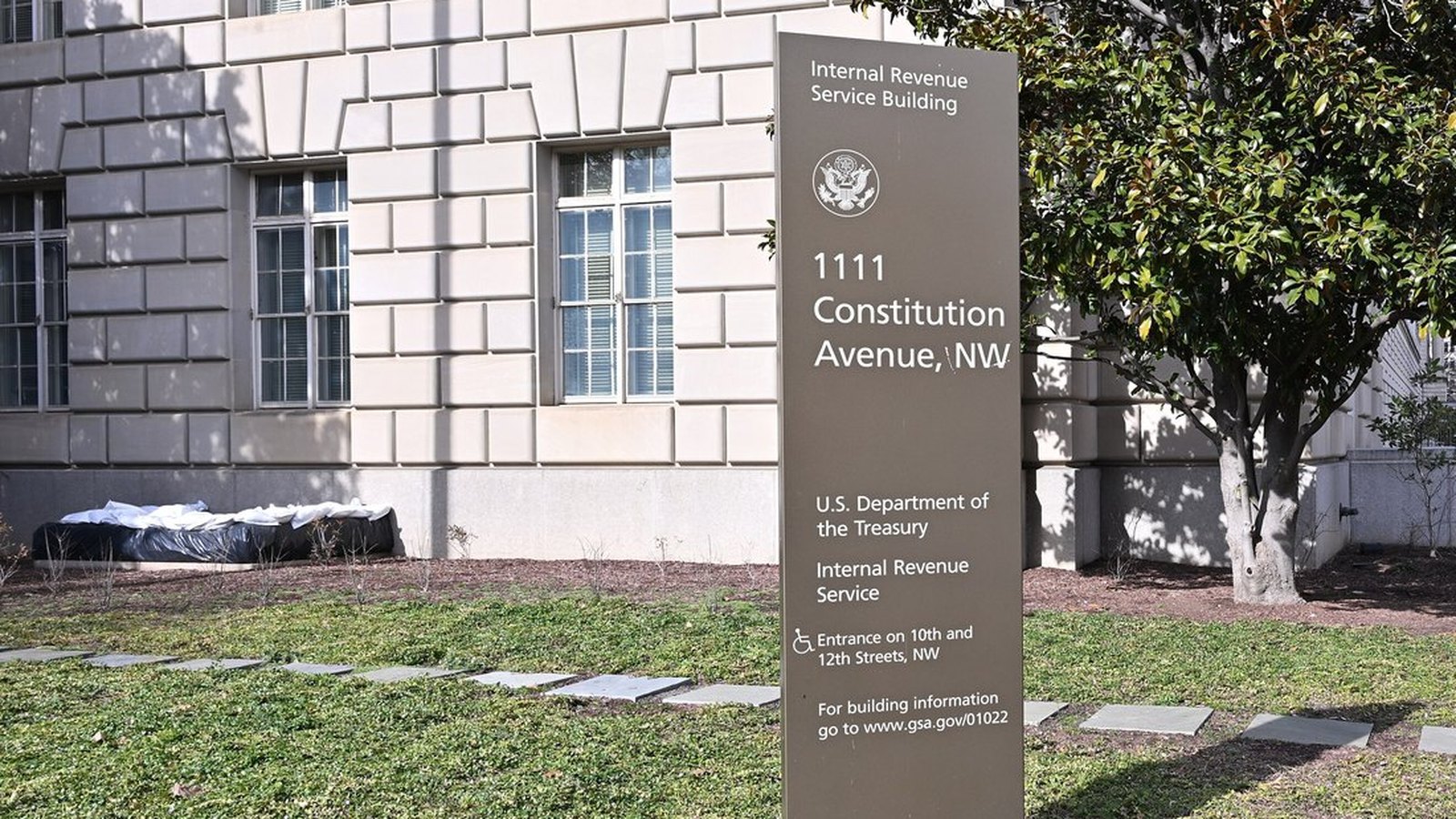
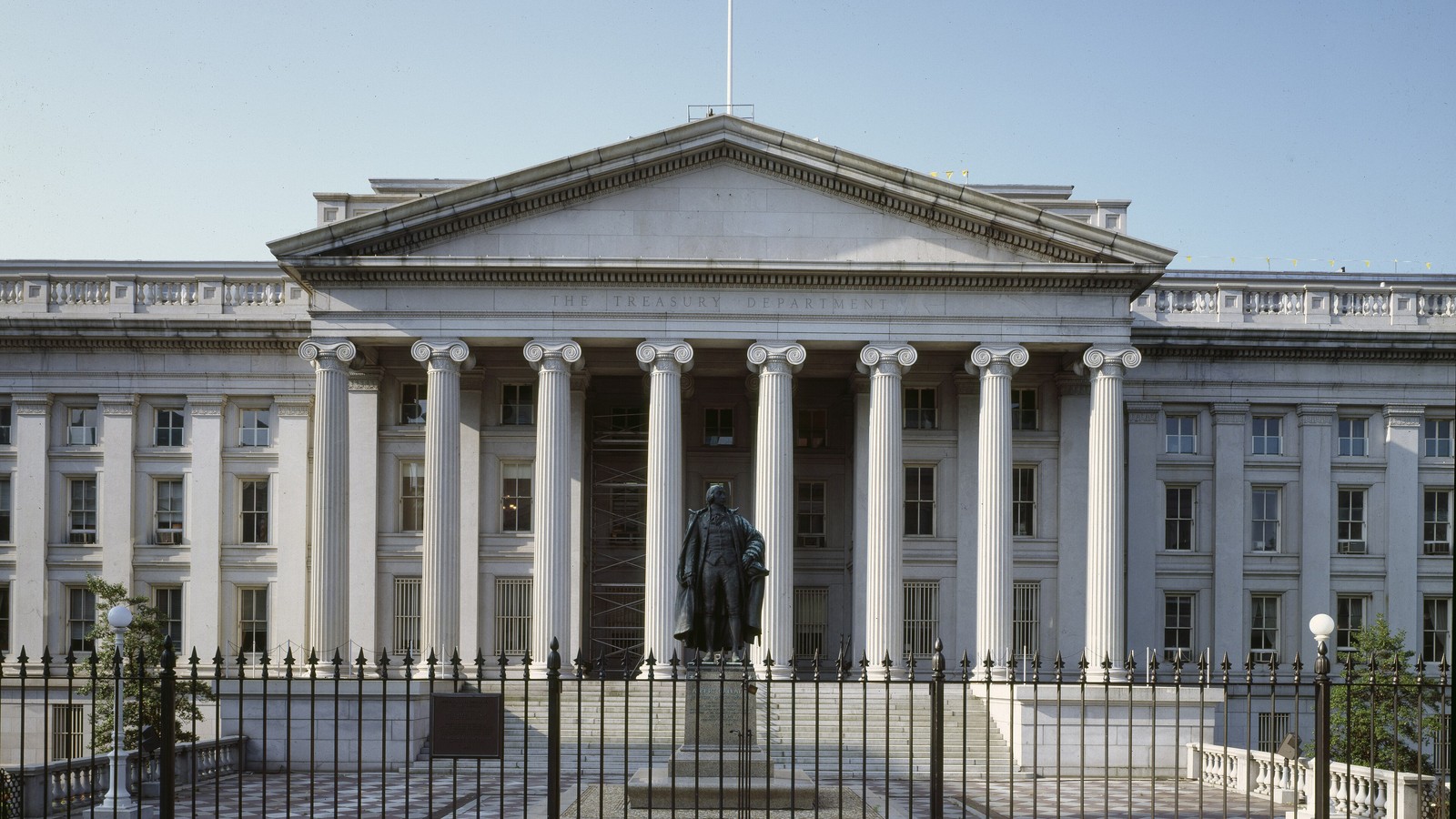
On 4 June the Office of Personnel Management, the Internal Revenue Service, the Employee Benefits Security Administration and the Centers for Medicare and Medicaid Services published a joint final rule on Federal Independent Dispute Resolution Operations, the arbitration process that settles what an insurer pays an out-of-network provider under the surprise billing rules. It took effect on 3 August. On Thursday morning the same four agencies filed a correcting amendment, and it runs to 41 pages.
Section II of that document lists 36 separate errors.
Most are what the agencies call them. A cross-reference formatted wrongly, an asterisk placeholder left in, the word "revised" left standing where it should have come out, "(c)(4)(v)" written where "(c)(5)(v)" was meant, an italicised paragraph number, a missing closing parenthesis. Several of the 36 are the same slip repeated across the three parallel texts, because the IRS, the Labor Department and Health and Human Services each carry their own copy of the same regulation.
Four of the entries are a different kind of error.
The paragraph that was not printed
In three places the agencies record that regulation text was inadvertently omitted rather than mistyped. At page 34047, an amendatory instruction failed to say "introductory text" and so a piece of section 54.9816-6 never made it in. At pages 34054 and 34066, the text of paragraph (c)(5)(vii)(A)(1) and (2) was left out after its own introductory line, in the Treasury version and again in the Labor version. A fourth entry records that the revision to paragraph (c)(5)(iii) was omitted from the instructions altogether.
The correcting amendment prints the missing subparagraphs. Under the heading "Binding", a determination made by a certified IDR entity "is binding upon the parties, in the absence of fraud or evidence of intentional misrepresentation of material facts presented to the certified IDR entity regarding the claim", and "is not subject to judicial review, except in a case described in any of paragraphs (1) through (4) of section 10(a) of title 9, United States Code."
Title 9 is the arbitration title, and its section 10(a) sets out the only four cases in which a district court may vacate an award: where the award was procured by corruption, fraud or undue means; where there was evident partiality or corruption in the arbitrators; where the arbitrators refused to postpone the hearing on sufficient cause or refused to hear pertinent evidence, or committed other misbehavior prejudicing a party; and where the arbitrators exceeded their powers or executed them so imperfectly that no mutual, final and definite award was made.
So the two subparagraphs absent from the printed rule since 3 August are the ones that make an arbitrator's payment decision stick and keep it out of court.
What is not known
What that omission did, if anything, in the twenty-four days between the effective date and Thursday is not addressed anywhere in the correcting amendment. The document does not say whether any determination was questioned, and it does not say whether anyone noticed. This item makes no claim about it either. One thing that would bear on it was not checked here: the surprise billing statute itself, which sits behind the regulation and which this desk did not retrieve.
What the agencies have done is date the fix backwards. The correcting amendment takes effect on publication, but its corrections are stated to be applicable beginning on 3 August, which is the day the rule itself began to apply.
CMS has gone further than the other three. Rather than patching section 149.510(c) line by line, it is reprinting the whole of paragraph (c), and it gives the reason in one sentence at the end of the error list: the errors noted for that section, and incomplete regulations text in the June rule.
The document publishes in the Federal Register on Friday.