Federal Reserve policy expectations drive Korea and US long rate link
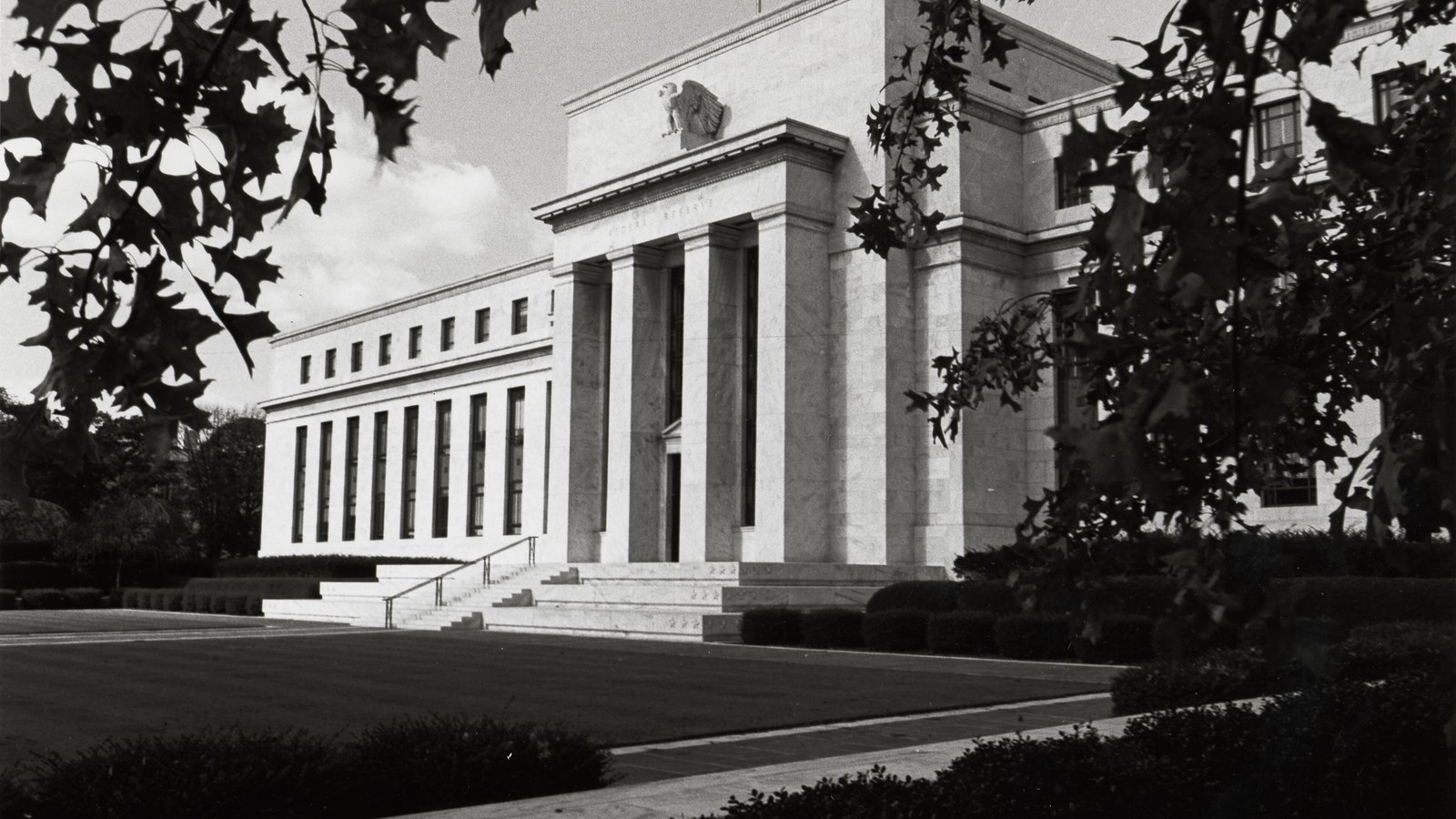
A working paper published Sunday by the Bank of Korea finds that Korean and US long term interest rates have moved more closely together since the 2008 financial crisis and the global inflation shock that began in 2021.
The channel is policy expectations.
Authors Jaeho Yun, Dowan Kim and Hyungsuk Lee say global inflation was the biggest force behind the increase. In a counterfactual, they estimate Korea's 10 year yield could have been as much as 1.5 percentage points lower without that shock since 2021. They also find Federal Reserve quantitative easing contributed materially, mainly by shifting expected future policy rates rather than risk compensation.
The paper is research, not an official Bank of Korea policy position.