The blight-tolerant American chestnut that USDA deregulated today is not the tree the petition asked about, and a labelling error in 2016 is the reason
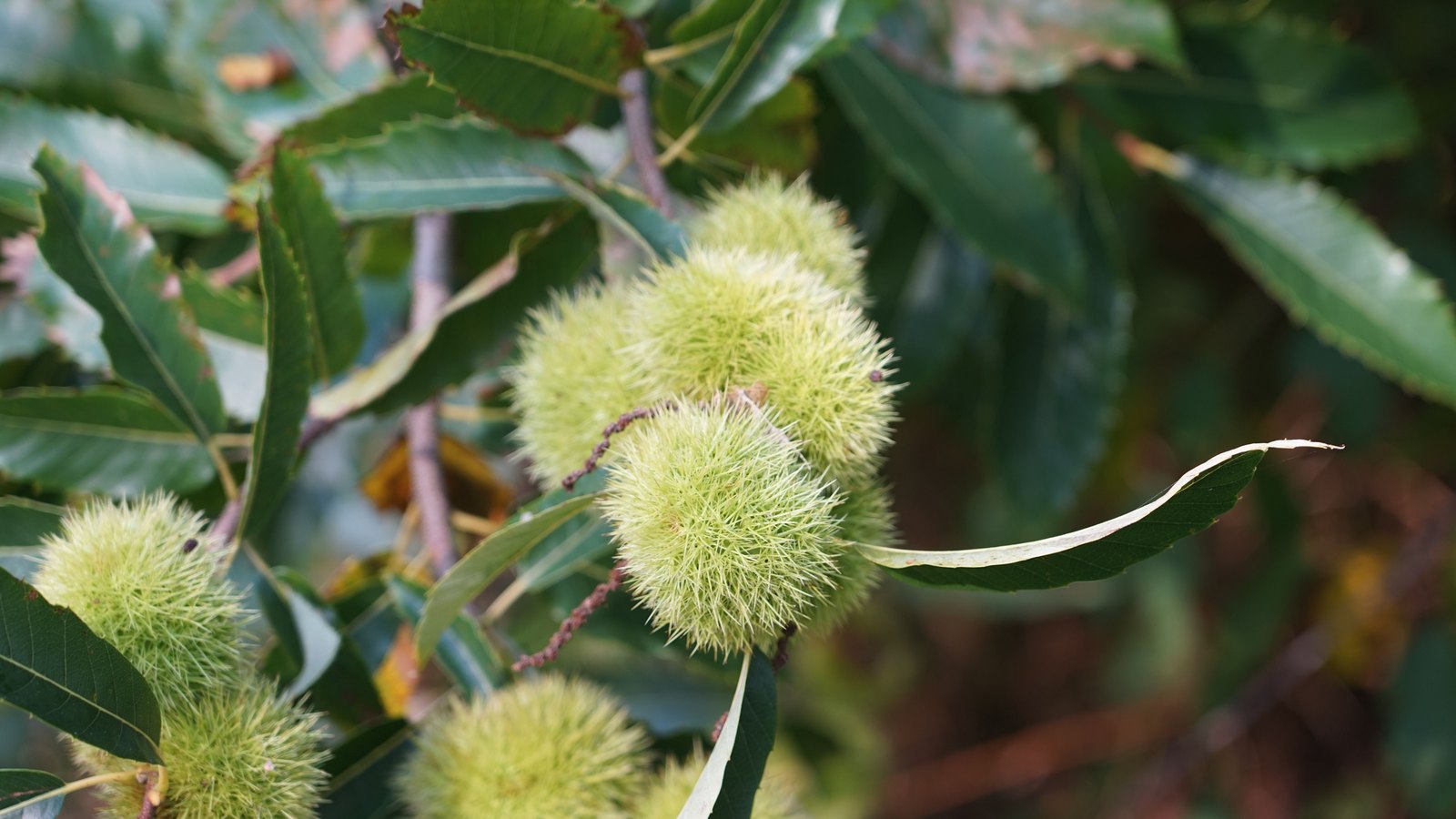 Stock photo
The petition was about Darling 58. The tree that stopped being regulated today is Darling 54, and the Animal and Plant Health Inspection Service has now put on the record why the two names swapped places.
APHIS received the petition from the State University of New York College of Environmental Science and Forestry on 21 January 2020. It sought nonregulated status for an American chestnut engineered for tolerance to Cryphonectria parasitica, the fungus that causes chestnut blight. Acting Administrator Sarah Helming signed the determination on 24 August 2026, six years and seven months later, and it takes effect on publication today.
The 2016 error
Darling 54 and Darling 58 were produced at the same time, using the same transgenes in the same genetic background, and they express the same protein products. Multiple analyses in 2023 showed that essentially all the offspring from the initial crosses came from Darling 54, and the notice attributes that to a labelling error in 2016.
Because nearly all the phenotypic data in the original petition had in fact been generated from Darling 54 offspring, the university filed a revised petition in August 2024 to correct the line name and bring the data up to date. APHIS revised its draft risk assessment and its draft environmental statement to match, and reopened them for comment in June 2025.
Four rounds, and one that nobody sees
The comment history is in the notice and the totals are not small. The petition itself drew 4,337 comments in 2020, a majority in favour. The notice of intent to prepare an environmental impact statement drew 3,968 in 2021, a large majority opposed. The draft assessment and draft statement together drew 30,455 in 2022 and 2023, a majority in favour, with three submissions from the Environmental Protection Agency saying it had identified no significant environmental concerns for the final statement.
Then the revised package, in 2025, drew 174,116.
Of those 174,116, the agency posted 4,115 to the docket, and the large majority of what it posted was opposed. The notice explains the gap in a footnote: a single uploaded file can be logged as one comment identifier while counting as many comments received, where the filer says it carries multiple submissions.
The environmental statement was never finished
APHIS withdrew the notice of intent on 18 August 2025 and terminated work on the environmental impact statement as a consequence. The notice records that and gives no reason for it.
The determination therefore rests on the plant pest risk assessment, the data in the revised petition, available scientific data, and the comments received on the petitions and the draft assessments. Its conclusion is narrow and is stated as such: Darling 54 is unlikely to pose a greater plant pest risk than the unmodified comparator, so it is no longer subject to 7 CFR part 340.