The Federal Register has put a tax regulation back into the 2026 Code, and the regulation says on its own face that it stopped applying in 2019

Friday's Rules and Regulations carries a three page document with no preamble, no comment period and no effective date.
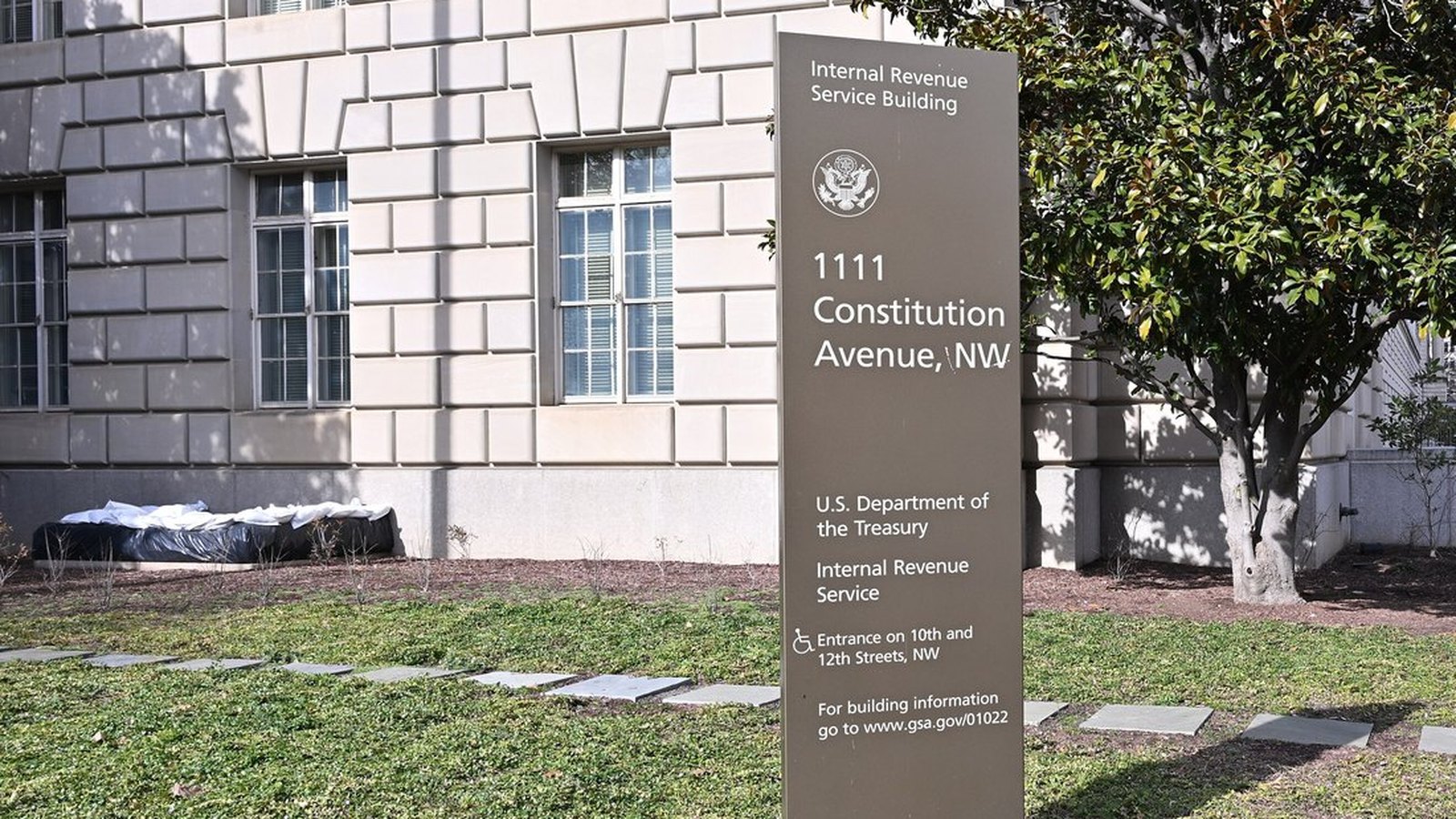
It sits under the Internal Revenue Service and 26 CFR part 1, it is titled Income Taxes, and it is headed CFR Correction. The Office of the Federal Register publishes it, not Treasury and not the Service. Its explanation of itself is one sentence: "This rule is being published by the Office of the Federal Register to correct an editorial or technical error that appeared in the most recent annual revision of the Code of Federal Regulations."
The instruction that follows is one line. In Title 26 of the Code of Federal Regulations, Sections 1.908 to 1.1000, revised as of April 1, 2026, reinstate § 1.987-1T.
Then it prints the whole section.
What had gone
Section 1.987-1T is titled Scope, definitions, and special rules (temporary), and the source note at the foot of the reinstated text dates it: T.D. 9795, 81 FR 88868, 8 December 2016. It is the definitional spine of the 2016 temporary regulations on section 987, which is the rule governing how a business unit that keeps its books in a foreign functional currency produces currency gain or loss for its owner.
Most of it sets terms. A dollar QBU is a qualified business unit that would sit inside section 987 but for having the dollar as its functional currency, and paragraph (b)(6) puts it outside section 987 and inside section 988 instead. Paragraph (b)(6)(iii) then hands a controlled foreign corporation an election to put it back in. Paragraph (g)(3)(i)(E) says what the taxpayer must call that election when it files, and the required title is "Section 987 Election for a CFC to Apply Section 987 to a Dollar QBU Under § 1.987-1T(b)(6)(iii)".
Read those two paragraphs together and the shape of the problem is visible on the page. The prescribed name of the election cites the section that was not in the Code.
The date on its own face
Paragraph (i) of the reinstated text is two sentences long, and the second reads: "The applicability of this section expires on December 6, 2019."
So the correction restores to the 2026 Code a regulation carrying its own expiry, six years and eight months past. That is normal for a temporary regulation and it is not evidence of a mistake. Expired text stays printed because tax years do not close when a rule stops applying, and a return under examination for 2018 is read against the 2018 rules.
The neighbours it points at are still there
The December 2024 final regulations on the same statute, at 89 FR 100138, revised sections 1.987-0 through 1.987-12 in one instruction. They also preserve the older method by reference, and the list they preserve it by is worth setting out, because it names five sections: 1.987-1T, other than two of its paragraphs, together with 1.987-3T, 1.987-6T, 1.988-1T and 1.988-2T(i), as contained in the Code in effect on 1 April 2017, until they expired on 6 December 2019.
Four of those five are in the electronic Code today. As at its 20 August issue date, the eCFR returns sections 1.987-3T, 1.987-6T, 1.988-1T and 1.988-2T, and also 1.987-8T, which the reinstated text repeatedly cross-references for the annual deemed termination election. It returns nothing for 1.987-1T. Its version history for that section stops on 10 December 2024, the day before the final regulations published.
The correction does not say how the section came to be missing, and it does not have to. It says the absence was an editorial or technical error and it puts the text back.
Eight days earlier, Treasury proposed a new election that would switch section 987 currency gain off inside a controlled foreign corporation. The same statute has now produced a proposed rule and a repair to a ten year old temporary one inside a fortnight.