Consumer confidence slipped again in July, and The Conference Board says its own survey closed before the fighting picked back up
 Stock photo
The survey closed on July 22.
That date is doing more work in this release than the headline number, and The Conference Board says so itself. Its July Consumer Confidence Index came in at 90.8, down 1.4 points from an upwardly revised 92.2 in June, and the release notes that references to war, geopolitics and conflict eased during the sample period. It then adds that the fighting has reaccelerated quite recently, and that mentions of it could therefore increase in the revised July figures. A publisher flagging its own revision risk before anybody asks is unusual, and it is the most useful line in the document.
Underneath the headline the two components moved differently. The Present Situation Index, built from how consumers rate business and labor market conditions right now, fell 3.6 points to 114.9. That is its third consecutive monthly decline. The Expectations Index, which looks six months out, did not move at all: 74.7 in June, 74.7 in July.
The detail explains the split. Net views of current business conditions fell 2.6 percentage points to positive 1.1 percent, which barely holds positive territory, with 18.9 percent of consumers calling conditions good, down from 20.2 percent, and 17.8 percent calling them bad, up from 16.5 percent. The labor market differential, the plentiful share minus the hard-to-get share, slipped 0.7 percentage points to positive 3.1 percent, and the release attributes that to fewer people saying jobs are plentiful rather than more people saying they are scarce. Both readings are still positive. Both are less positive than they were.
Dana M Peterson, chief economist at The Conference Board, said consumers anticipate little improvement in business conditions over the next six months, and that expectations for the labor market were slightly less negative.
Less negative is not positive. Net expectations for labor market conditions improved by 1.3 percentage points and remained in negative territory, while net expectations for business conditions fell 1.5 points to negative 3.3 percent and net income expectations eased 0.5 points to positive 7.3 percent. Two of the three components of the Expectations Index went down, one went up, and the index landed on the same number it printed in June.
The 80 line is worth stating plainly rather than dramatising. The Conference Board says an Expectations Index below 80 has historically been associated with an increased risk of recession, and that it has been below 80 for most of 2025 and 2026. A threshold that has been breached continuously for eighteen months is describing a condition, not issuing a signal.
One component moved the other way. Consumers' net views of their family's current financial situation improved after three consecutive months of deterioration, even as their view of the wider economy softened. Spending plans held up alongside it: restaurants, bars and take-out, streaming and mobile services, and beauty and personal care remained the top three service categories, and travel intentions within six months rose in July after easing for most of the year, with domestic plans recovering and foreign plans softening.
Inflation expectations over the coming twelve months were less elevated than in June. The share of consumers expecting higher interest rates over the next twelve months was 61.3 percent, unchanged.
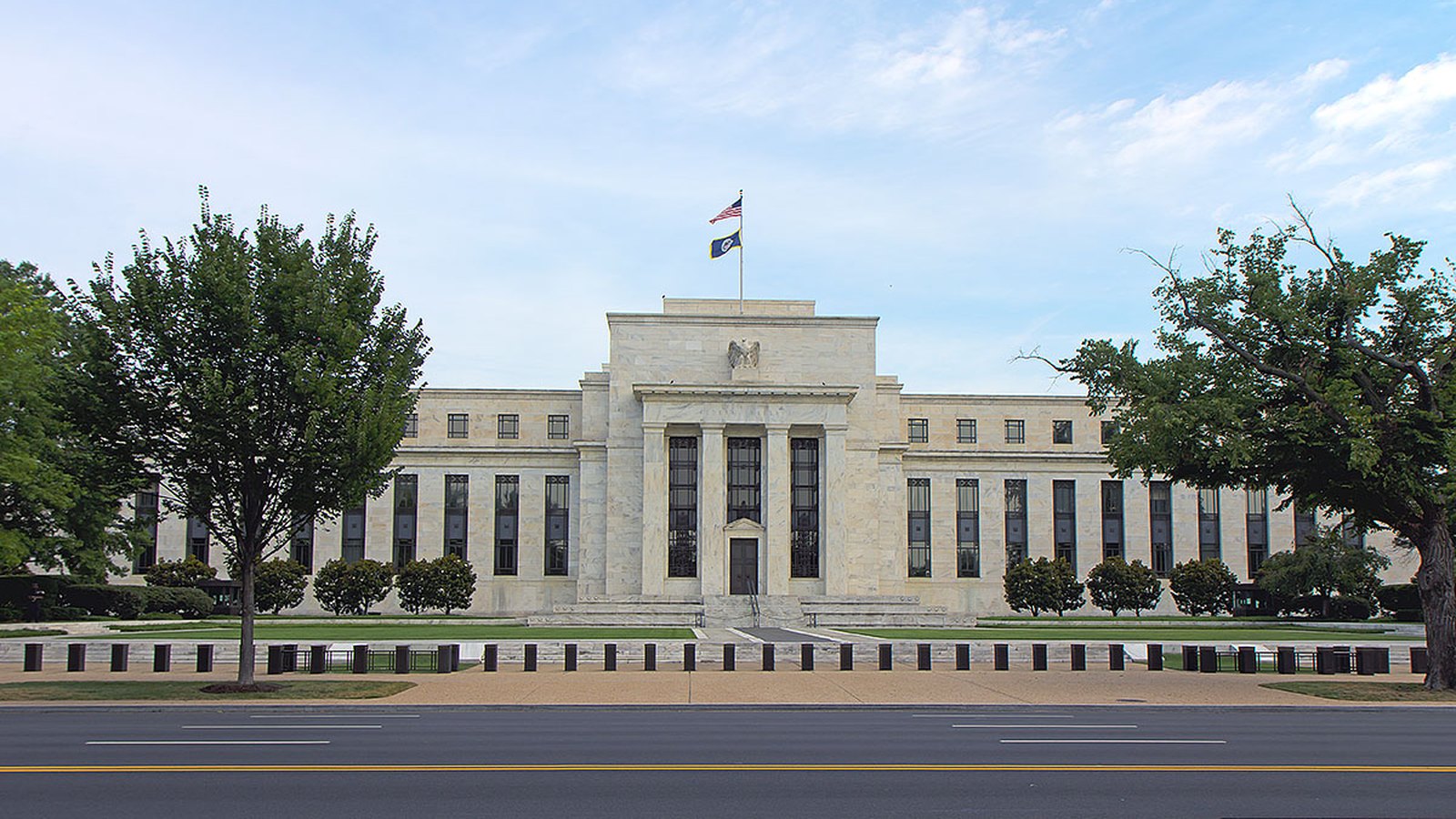
The index is published at 10 a.m. eastern time on the last Tuesday of every month, on a 1985 base of 100, from an online sample fielded by Toluna. The Federal Open Market Committee began a two-day meeting the same morning and concludes it on Wednesday. The Federal Reserve's published 2026 calendar marks the July meeting as one of the four this year that carries no Summary of Economic Projections.