Engine makers can now offset the tariffs they pay on imported parts, and the American content each engine needs doubles in year three
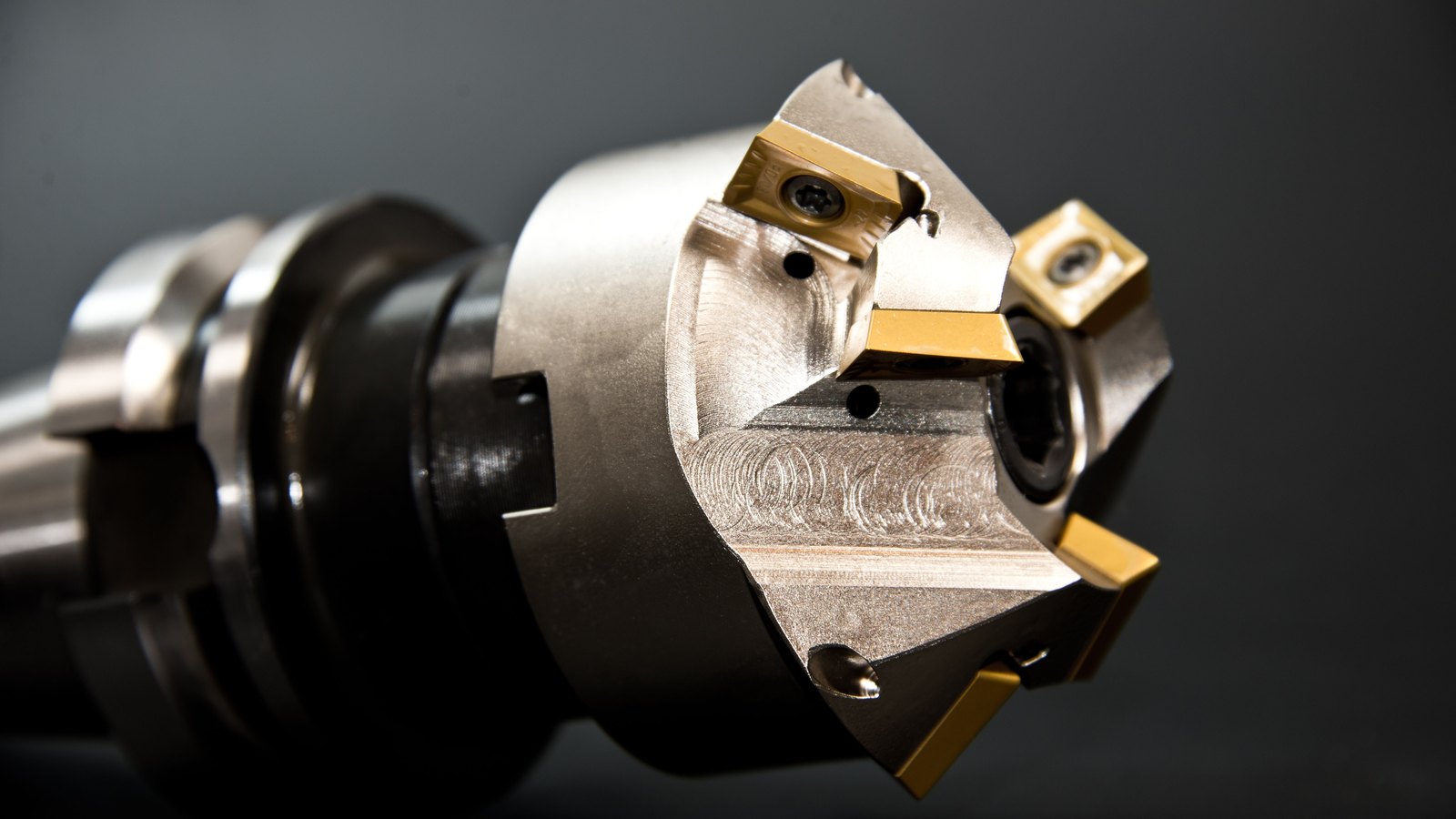 Stock photo
Two American parts now. Four from year three.
That is the domestic content test Commerce has attached to the last of its three Section 232 vehicle offset programmes. The International Trade Administration filed the Engine Offset Process notice for public inspection at 8:45 a.m. eastern time on Tuesday, document 2026-15280, for publication on Wednesday. Automobile assemblers got their version in June 2025 and medium- and heavy-duty vehicle assemblers got theirs in May 2026. Engines came last, and the notice says why: engines are a separate product category, and Commerce needed time to research the industry and write procedures for it.
The mechanics are simple enough. A manufacturer that assembles automobile engines or medium- and heavy-duty vehicle engines in the United States accrues an import adjustment offset worth 3.75 percent of the aggregate value of those engines, which is the accrual rate Proclamation 10984 required Commerce to match to the one vehicle assemblers already had. The balance can be applied against tariff liability on automobile parts under Proclamation 10908 and on medium- and heavy-duty vehicle parts under Proclamation 10984. It carries forward indefinitely until exhausted. It may not be traded, sold or transferred, so it is worth something only to the manufacturer that earned it and to the importers of record that manufacturer names.
The content test is where the notice does its work. Commerce has decided that an engine operation which does not use a minimum number of American originating core components is a "limited production operation" and does not count toward the offset at all. Core engine components are turbochargers, and the heads, blocks, crankshafts, pistons and rods listed in Table A.2 of the appendix to Annex 4-B of the United States-Mexico-Canada Agreement. In years one and two a model qualifies on two of those. From year three it needs four. A component counts as American originating if it was substantially transformed here, and blocks and heads also count if all or substantially all of the machining happened here, judged by comparing the value added by machining inside the country against the value added outside it.
The clock runs on different calendars for the two products. Medium- and heavy-duty vehicle engine years run from November 1 to October 31, the first covering engines assembled between November 1, 2025 and October 31, 2026, through to a fifth year ending October 31, 2030. Automobile engine years run from May 1 to April 30, the first covering May 1, 2026 to April 30, 2027, through to a fourth ending April 30, 2030. There is no automobile engine accrual before that. Applications for vehicles assembled between April 5, 2025 and May 1, 2026 already counted the engine inside the vehicle, and Commerce says letting the engine accrue again would allow offsets to build up more than once on the same object.
One provision looks backwards rather than forwards. Because the application is built on a production forecast, Commerce is requiring any manufacturer that took an offset in a previous year to describe what it actually produced, by number, type and value, using the same eligibility and valuation method it used the first time. Where the real output comes in below the forecast, in units or in value, the notice says Commerce may adjust the next year's offset accordingly.
Applications go to autooffset@trade.gov from Wednesday. William Kimmitt, the Under Secretary for International Trade, signed the notice.