Six governments want an oil windfall levy put on the Dublin agenda, and the letter asking for it has not been finalised
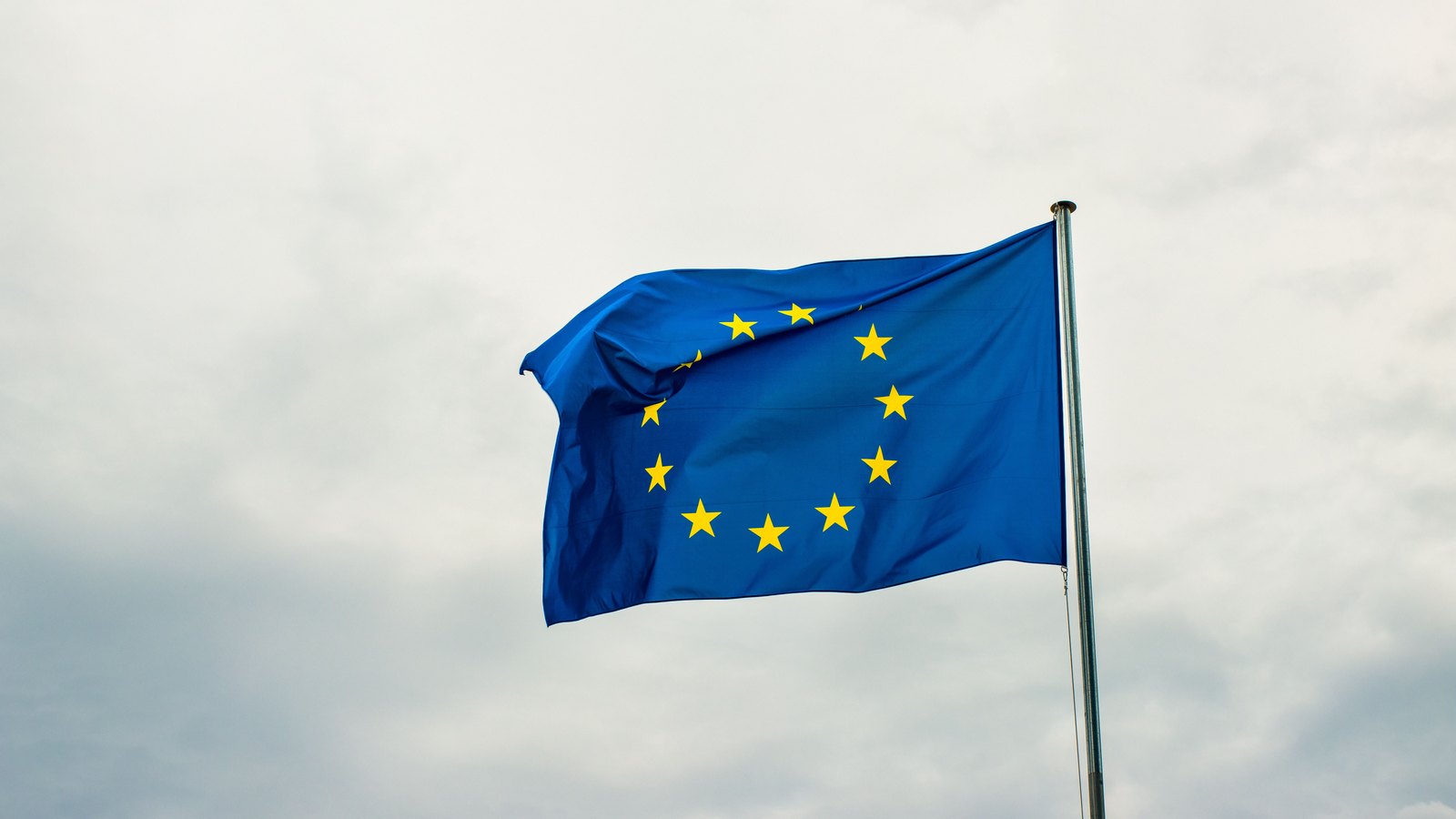 Stock photo
The letter has not been sent in final form.
That is the first thing to say about a story running across Europe on Sunday morning. Euronews reports that the finance ministers of Germany, Italy, Austria, Poland and Portugal, together with Spain's economy minister, have written jointly to Ireland's finance minister asking that an EU-wide levy on oil company profits be added to the agenda when finance ministers meet in Dublin next month. Ireland holds the rotating presidency. In the same article, Euronews reports that sources told it the letter has not been finalised and that media reports refer to a preliminary draft.
Both of those are in the piece and this desk cannot reconcile them, because the letter has not been published and we have not seen it. What follows is what one outlet reports, credited, and it is not a document.
Sertac Aktan, writing for Euronews, quotes the draft as saying that oil companies are "enjoying overall profitability and margins on refined products that exceed the rise in crude oil prices". The signatories are reported to want debate on an "EU-wide framework to tax windfall profits", drawing on the temporary levy the bloc introduced in 2022. Euronews reports that the EU has signalled no plans to introduce a new levy, and that the German coalition is split on it: Finance Minister Lars Klingbeil's Social Democrats in favour, Chancellor Friedrich Merz's Christian Democrats against.
The 2022 levy, which is a document
The precedent the ministers are reported to be reaching for is Council Regulation (EU) 2022/1854, agreed on 6 October 2022, and it is worth reading rather than remembering.
Article 15 sets a temporary solidarity contribution on Union companies and permanent establishments active in crude petroleum, natural gas, coal and refining. It bites on taxable profits in fiscal 2022 or 2023 that exceed by more than 20 percent the average of taxable profits over the four fiscal years starting on or after 1 January 2018. Article 16 puts the rate at a minimum of 33 percent of that base and states plainly that it sits on top of regular national taxes rather than in place of them. Member States were free to charge more.
Article 18 is the one that matters for anybody reading a 2026 letter. The contribution was temporary by design, and it applied only to the two fiscal years named in Article 15. Reviving it is not a matter of switching something back on. It requires a new instrument, agreed the same way.
A letter is a request to talk. The test of whether this is anything more is narrow and public: whether a windfall levy appears on the published agenda when the finance ministers meet in Dublin.
Where we read it: Sertac Aktan at Euronews. Read their story.
The document: Council Regulation (EU) 2022/1854 of 6 October 2022 on an emergency intervention to address high energy prices.