The SEC says a Trade Desk finance director saw the quarterly numbers before anyone else twice, and the time he bet the share price would fall he made sixteen times what he made betting it would rise
 Stock photo
Sixteen times.
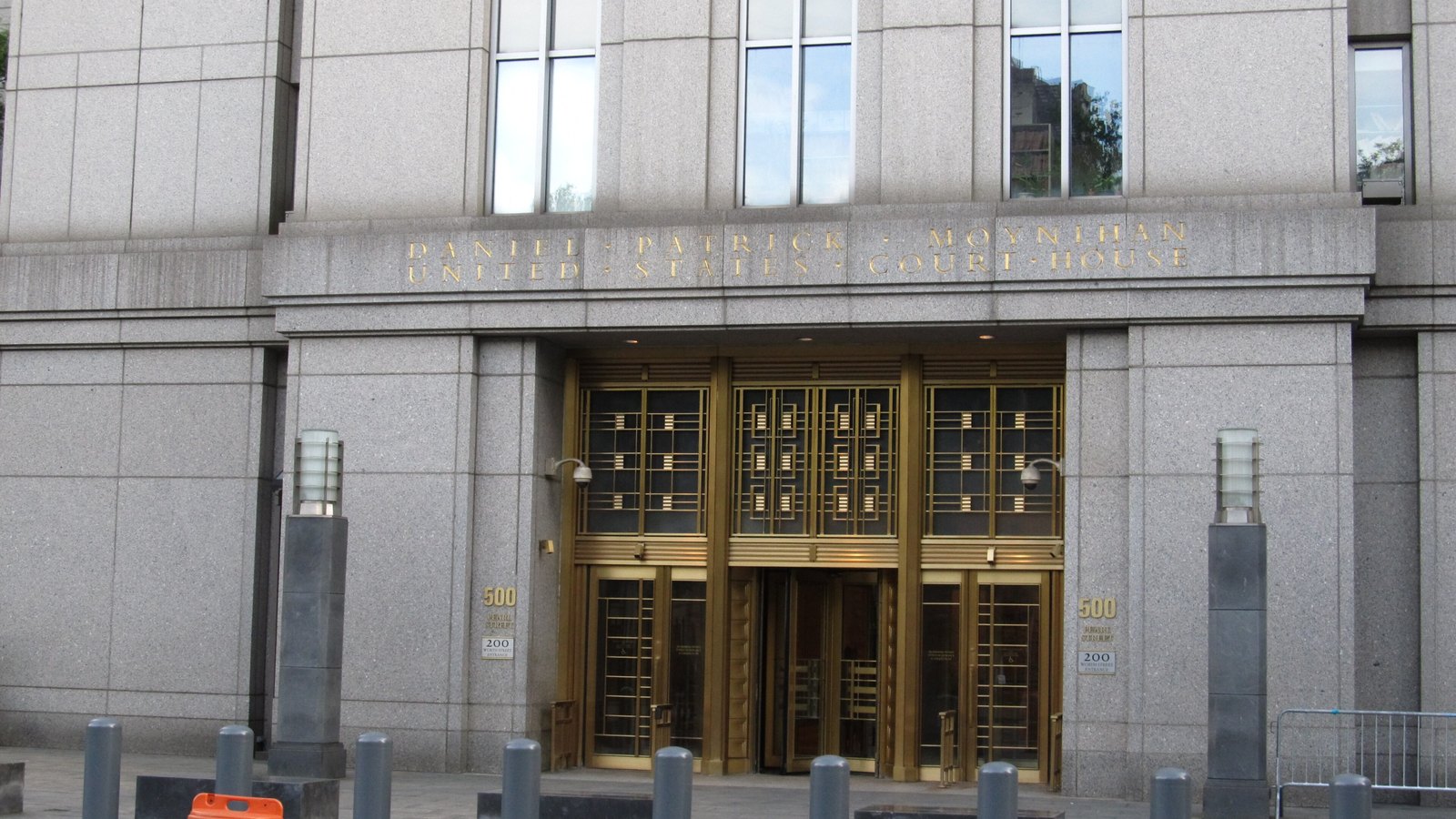
That is the gap between the two profits the Securities and Exchange Commission puts in its complaint against Jesse R. Mitchell, who was Senior Director of Financial Planning and Analysis at the digital advertising company The Trade Desk from June 2024 until he was terminated in April 2026. The Commission filed on 20 August in the Southern District of New York, docket 26-cv-07111. It alleges he traded twice on quarterly results he received before they were public. The first time he bought shares and made $19,696.11. The second time he bought put options and made $318,362.45.
The company is not a defendant.
The quarter that beat
Mitchell certified that he had completed training on the company's insider trading policy on 3 June 2024, the complaint says, which was his first day. Six weeks later, on 17 July, he received an email attaching preliminary second-quarter results showing revenue of $585m against analyst estimates of about $578m. Between 24 July and 7 August he bought 3,850 shares for $346,538.29, an average of about $90.01, across two personal brokerage accounts.
The results were announced after the close on 8 August. By the close on 9 August the share price was up more than 12 percent, and by then, the Commission alleges, he had sold every share for $366,234.40.
All of that sat inside a trading blackout that ran from 14 June to 12 August, according to the complaint, and the company's chief legal officer had emailed every employee the exact dates on 11 June.
The quarter that missed
On 20 January 2025 he received the preliminary fourth-quarter numbers. Revenue was about $741m. On the third-quarter earnings call the previous November the company had guided to at least $756m, and the Commission says that shortfall was the first time in the company's eight-year history it had failed to meet its own quarterly revenue guidance.
Between 7 and 12 February, the complaint alleges, he bought 200 put options for $15,618.35. They expired on 14 February and were out of the money by at least $17.36 on the days he bought them, which is to say they were worth nothing unless the share price fell a long way in a very short time.
It fell more than 30 percent by the opening on 13 February. He sold all 200 contracts that day for $333,980.80.
The Commission notes that the company's policy banned options trading outright and permanently, on the stated ground that such a transaction is "in effect, a bet on the short-term movement" of the stock. That ban is separate from the blackout rule, and the second episode is alleged to have broken both.
What is charged
One count, under Section 10(b) of the Securities Exchange Act of 1934 and Rule 10b-5. The Commission is asking for a permanent injunction, disgorgement with prejudgment interest, civil penalties and a permanent bar on serving as an officer or director of a reporting company. It has demanded a jury.
The litigation release announcing the case adds that the United States Attorney's Office for the Southern District of New York announced an indictment charging Mitchell with securities fraud on the same day. No indictment was read for this item and none of its contents are described here.
None of it is proved. These are allegations in a civil complaint filed three days ago, no answer has been entered, and no response from Mitchell appears in any document read for this item.