Palisades operators may work outage hours for 60 days from the moment fuel goes in, and the regulator granted it after saying it could not see the public interest
Sixty days.
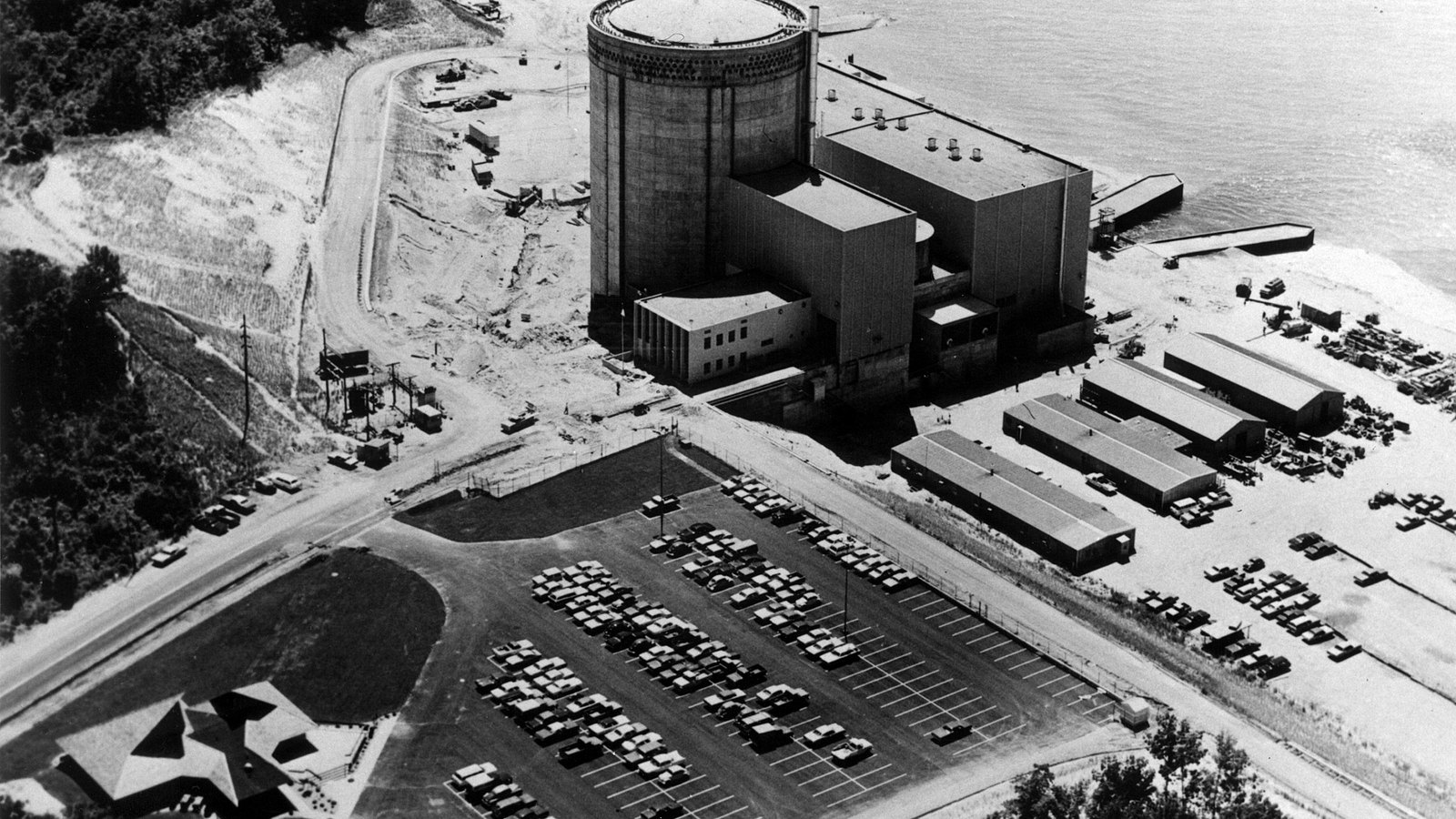
That is how long Operations personnel at the Palisades Nuclear Plant may work under the less restrictive outage work hour rules, starting from the moment fuel goes into the reactor rather than from any date on a calendar. The Nuclear Regulatory Commission issued the exemption on 12 August and published it on Wednesday. The clock stops at 60 days or at grid connection, whichever comes first. The plant sits in Van Buren County, Michigan.
The two rules set aside are 10 CFR 26.205(d)(3), which sets minimum days off, and 10 CFR 26.205(d)(7), which caps work at a weekly average of 54 hours calculated over an averaging period of up to six weeks. Palisades may use 10 CFR 26.205(d)(4) instead. That provision exists for the first 60 days of a unit outage, and under it the requirement falls to three days off in each successive 15-day period, counted in blocks rather than on a rolling basis. An operator on 12-hour shifts would otherwise get 2.5 days off a week.
The fifth exemption, and part of the fourth withdrawn
Palisades entered outage status on 25 August 2025, which is when the fatigue rules in 10 CFR part 26 began to apply to it. The third work hour exemption was issued on 18 March 2026 and the fourth on 18 June, the latter running until nine days before initial fuel load and covering four categories of staff. Palisades Energy asked on 10 July for the operations part of that fourth exemption to be rescinded and replaced by this one. The Commission granted both requests in the same document.
What the staff said before it agreed
The Commission does not usually publish its own hesitation. This document does. On the public interest test, the notice records that the staff reviewed the licensee's justification and "could not determine how the exemption would be in the public interest", and so issued a request for confirmatory information and a request for additional information on 23 July, held clarification calls on 28 and 30 July, and put a final set of questions on 30 July asking what the benefit to the public would be, what the adverse impact would be, and what the benefit to the operators themselves would be. Palisades Energy answered the same day.
Two of the answers carry numbers. The company said the scheduling flexibility would let it raise shift staffing from four senior reactor operators and three reactor operators to six and five, which the staff accepted as more supervision and more independent verification during a complex startup. It also said that without the exemption the crews would run five days on and three days off, adding rotations and handovers at the point where plant conditions change fastest.
The risk the document concedes
The staff wrote that once fuel is loaded the risk profile rises to that of an operating reactor, and that the increase is compounded both by the restoration of safety-significant systems still going on around the startup and by the first-of-a-kind nature of the work. Palisades is the first plant in decommissioning status the Commission has taken back to power operations. Some of its licensed operators will be working together as a crew for the first time.
Four protections stay. Operators keep the maximum work hour limits in 10 CFR 26.205(d)(1), a 10-hour break between successive work periods, a 34-hour break in any nine-day period, and the three days off in each 15. The licensee also confirmed that operations staff have not worked more than 54 hours a week since the first exemption period and will take a 34-hour break in the nine days before the outage controls start.