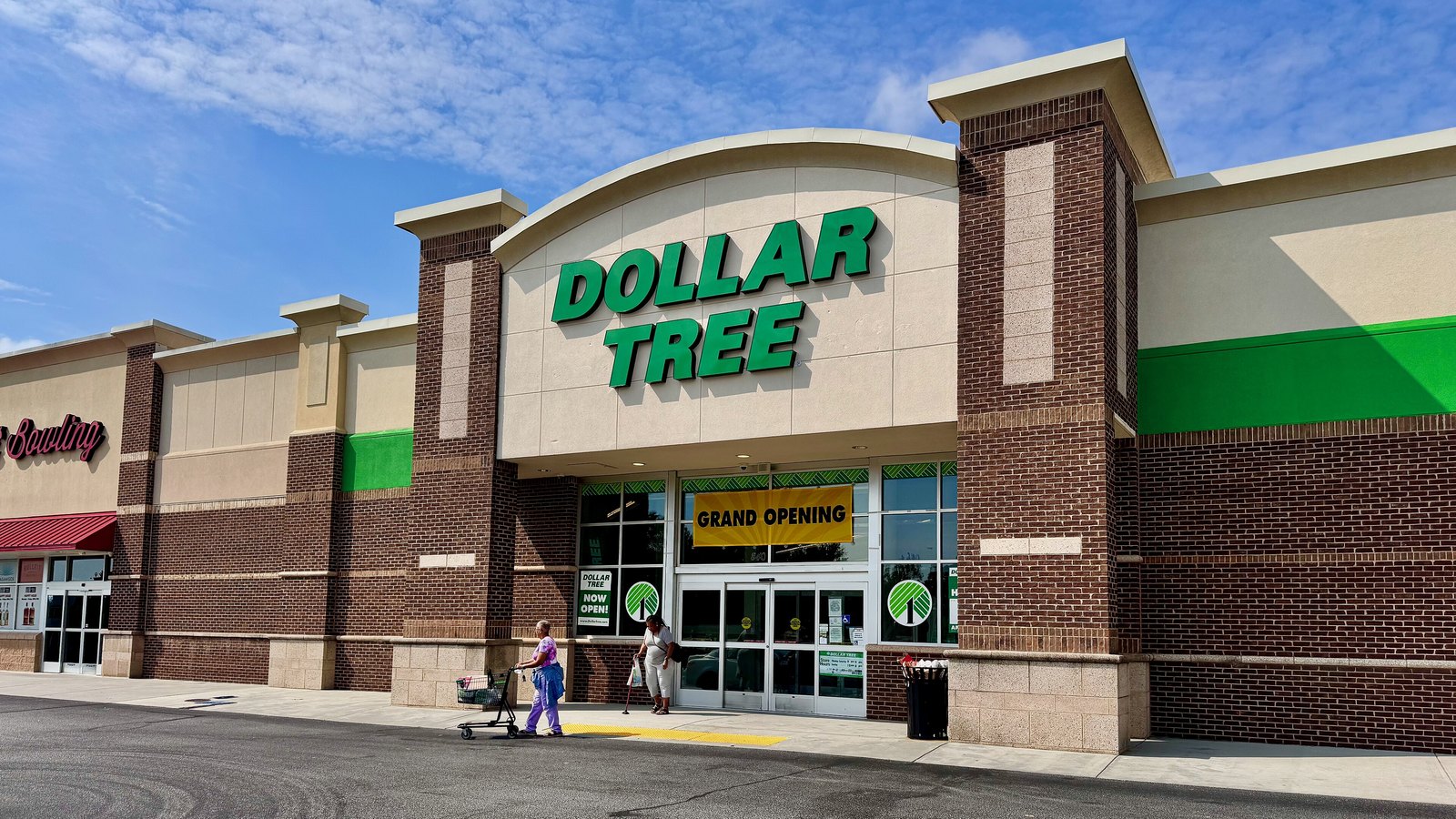
The rules behind federal loan guarantees for American shipbuilding have been rewritten for the first time since 1978, effective on publication, with 14 of 34 sections deleted and no comment period first
 Stock photo
Nothing about the Title XI programme has been substantially rewritten since Jimmy Carter was in the White House. That changed at 08:45 on Thursday morning.
The Maritime Administration has filed an interim final rule remaking 46 CFR part 298, the regulations behind the federal guarantee of debt used to finance American-flagged vessel construction and shipyard modernisation. The guarantee carries the full faith and credit of the United States, which is why the rules around it are dense. The agency is deleting 14 of the current rule's 34 sections.
It takes effect the day it publishes. Comment comes afterwards.
The good cause finding is the procedural news
MARAD invoked 5 U.S.C. 553(b)(B) and 553(d)(3), the Administrative Procedure Act provisions that let an agency skip advance notice and comment and skip the usual delay before a rule bites. Its reasoning, in the document's own words, is that the revisions impose no new substantive requirements on the public and instead codify existing administrative processes, statutory updates and established federal fiscal practices. It says the changes are driven by law and government-wide standards rather than by a discretionary policy choice, so public input would add nothing.
The agency is asking for comment anyway, for 60 days, and says any final rule may differ from this one.
The statutory catch-up runs six years late
Part of what is being conformed here is the National Defense Authorization Act for fiscal year 2020. That Act repealed 46 U.S.C. 53732, which removed eligible export vessels from the programme. It added 46 U.S.C. 53719 on best practices. It amended 46 U.S.C. 53703(c)(1)(C) and (D) to make MARAD recommend that applicants meet certain financial covenants or ratios.
Those changes have been law since 2019. The regulation is being brought into line with them now.
Fees fall and terms leave the rule
The application fee goes from $5,000 to $1,000. MARAD says the lower figure will lower barriers to entry for applicants with limited resources for capital investment. In the rule's own accounting the change is a transfer payment and is classified as neither a benefit nor a cost.
The old investigation fee is renamed the commitment fee and restructured, which the agency says removes unnecessarily high initial costs on larger projects. The guarantee fee is aligned with the credit subsidy fee and the two are now calculated the same way.
Terms and conditions that used to sit in the regulation are being removed from it and placed instead in the loan agreement documents MARAD publishes, alongside application forms MA-163 and MA-163A, on the agency website. That is a real shift in where a borrower has to look, and it is not a small one: the rule keeps the obligation and moves the text.
Two things the document says about itself that do not sit together
The rule is a significant regulatory action under Executive Order 12866 and was reviewed by the Office of Management and Budget. It is not a major rule for Congressional Review Act purposes. And under Executive Order 14192, which requires ten prior regulations to be identified for elimination for each new regulatory action, MARAD classifies this one as de minimis, so neither regulatory nor deregulatory, and the ten-for-one requirement does not attach. The Background section of the same document cites Executive Order 14192 as one of the reasons the review happened at all.
The second is a matter of arithmetic. The Background says the regulations were first promulgated in 1978 and have remained substantially unchanged since. The Need for the Regulation section, further down the same document, says they have remained substantially unchanged for 40 years. On this desk's count 1978 was 48 years ago. The document does not reconcile the two figures and neither does this item.