Burlington received $55m of tariff refunds and is keeping none of it, spending 40 percent in the third quarter and 60 percent in the fourth, and raised its guidance anyway
Michael O'Sullivan told shareholders what he was not going to do with the money.
The Burlington Stores chief executive said the company received $55m in tariff refunds in the quarter to 1 August and that, in his words, "Rather than taking a one-time boost to earnings, we intend to fully invest these refunds back into the business in the back-half of the year, to deliver even sharper values to our shoppers."
The outlook section puts a schedule on it. Approximately 40 percent of the refunds are reinvested in the third quarter and approximately 60 percent in the fourth, which is why the company states that tariff refunds have a neutral impact on full year earnings guidance.
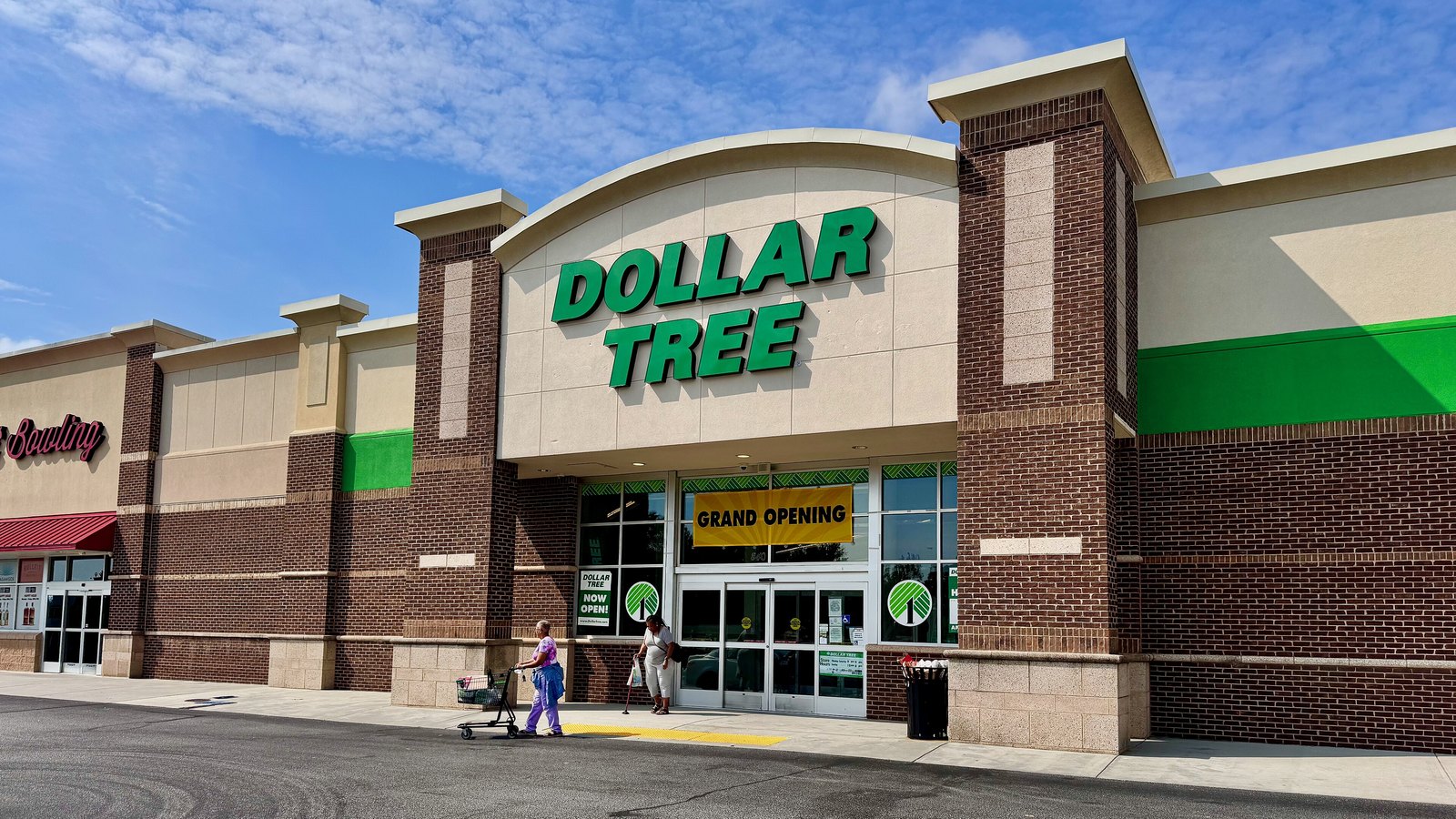
Of the retailers this publication has covered on the refunds, Burlington is the first to say it is keeping none of them. Dollar Tree, reporting the same morning, kept $1.31 of $2.70 of earnings per share and carries about $0.50 a share of reinvestment into the third quarter. Ross Stores reported about $253m in August and Kohl's about $150m, both through the margin. Dollar General, also reporting today, put roughly $0.25 a share of its earnings on refunds after reinvestment.
What the quarter looked like without it
Total sales rose 11 percent to $2,998m, on top of a 10 percent increase the year before. Comparable store sales rose 2 percent, on top of 5 percent, which the company describes as a 7 percent two-year stack.
Net income was $184m and diluted earnings were $2.88 a share, against $94m and $1.47 a year earlier. The company's own preferred figure strips out the $41m after-tax refund benefit and $3m of after-tax expenses on leases acquired out of other retailers' bankruptcies, which gives adjusted earnings of $2.37 a share against $1.72. That is a 38 percent increase, following a 39 percent increase the year before, and the release calls it the fifteenth consecutive quarter of double digit earnings growth.
Gross margin was 46.2 percent against 43.7 percent. Take the $55m out and the underlying move is smaller and still positive: merchandise margin up 70 basis points, freight up 10 as a share of sales.
Where the raise came from
Full year adjusted earnings are now guided to $11.77 to $11.97 a share, on total sales up 10 to 11 percent and comparable store sales up 3 to 4 percent.
The company is explicit that the refunds are not what moved the number. Excluding the planned reinvestment, it says the underlying assumptions for the second half are unchanged from prior guidance: adjusted operating margin improvement of 10 to 30 basis points and earnings growth of 7 to 10 percent. The raise is the second quarter beat being passed through.
Capital expenditure net of landlord allowances is put at about $875m, and that figure excludes any cost of relocating the corporate headquarters, which the release says is being evaluated with the timing and amount still uncertain. About 115 net new stores are planned.
The inventory line
Merchandise inventories ended the quarter at $1,541m, 9 percent above a year earlier, with comparable store inventory up 11 percent. Reserve inventory, which is merchandise bought opportunistically and held for later months or a later season, fell to 43 percent of the total from 50 percent.
The company holds $1,646m of liquidity against $1,914m of debt, none of it drawn on the asset-based revolver. It bought back 270,279 shares for $87m in the quarter and has $218m of authorisation left.