An executive order signed this afternoon renames Lake Ontario as Lake America, gives the Interior Secretary 30 days to do it, and directs that every reference to the old name be taken out of the federal names database
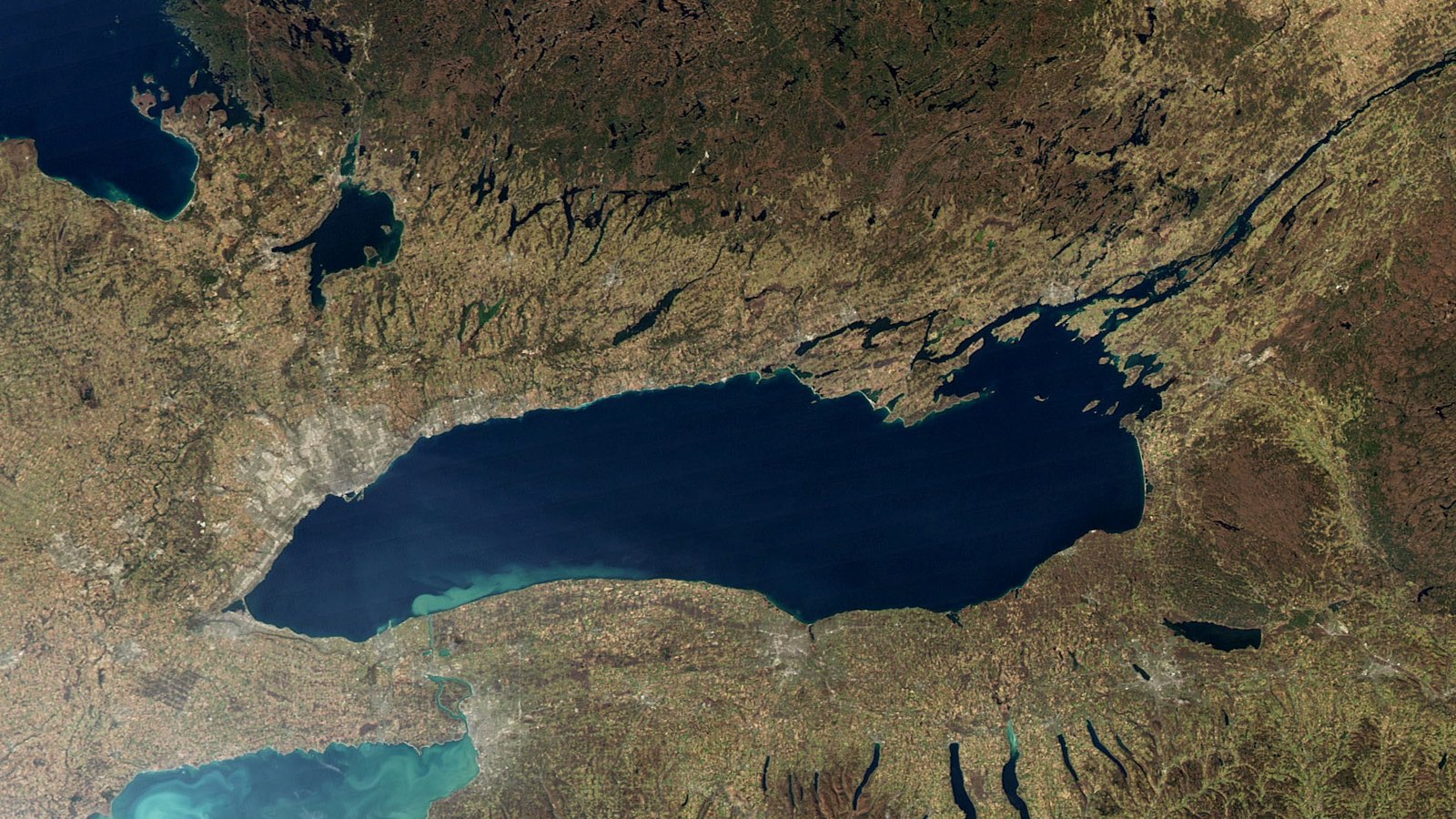
The White House has ordered Lake Ontario renamed.
An executive order dated 27 August, published on the White House site at 1.42 p.m. Eastern, directs the Secretary of the Interior to rename the lake as "Lake America" within 30 days, in coordination with the Board on Geographic Names and consistent with 43 U.S.C. 364 through 364f, the statute that governs how federal geographic names are set.
The order then goes further than the name itself. The Secretary and the Board are told to update the Geographic Names Information System, the federal names database, and to remove all references to Lake Ontario from it. The Board is separately told to issue guidance so that every federal reference to the lake, including agency maps, contracts and other documents and communications, reflects the change.
What the order reaches
Its operative directions run to federal actors and federal records. Interior, the Board, and the guidance the Board is to give other agencies.
The lake is a boundary water, and the order says so in the same sentence that describes it. It defines the body of water as bounded on the south and east by the State of New York, and on the north, west and southwest by the Canadian province of Ontario. What the province, Canada or any other authority does with the name is not addressed anywhere in the text, and this item does not speculate about it.
The case the order makes is economic
Section 1 puts the argument on stewardship and cost. The order says the United States Coast Guard supplies 9 of the 11 ice breaking vessels on the Great Lakes and secures commercial shipping lanes free of charge. It says the United States has invested nearly $4 billion in protecting the Great Lakes freshwater ecosystem over the last decade, and that Canada has invested far less in similar initiatives over the same period. It also asserts that the deepest parts of the lake lie within United States territory, so that the United States claims most of its volume. Those are the order's statements, offered without a citation in the text.
Section 2(a) then sets out the commercial history it relies on: the lake as an artery for trade and military logistics from the colonial period, the fort at Oswego and the first United States port of call from the St. Lawrence Seaway, shipbuilding and naval operations at Sackets Harbor during the War of 1812, and the later movement of bulk cargoes linking the American interior to Atlantic markets. It names iron ore, limestone, coal and agricultural products as the commodities moving on the wider Great Lakes and St. Lawrence Seaway system, and notes that lake water supplies nuclear, gas and oil-fired power plants and municipal drinking water.
The policy it invokes is not new. The order cites Executive Order 14172 of 20 January 2025, "Restoring Names That Honor American Greatness", as the standing policy under which it acts.
One detail the paperwork settles
Section 3(d) puts the cost of publishing the order on the Department of the Interior.