A national emergency has been declared over foreign-made grid equipment, and the reach that matters is backwards: the Energy Secretary may order equipment already installed to be disconnected, replaced or removed
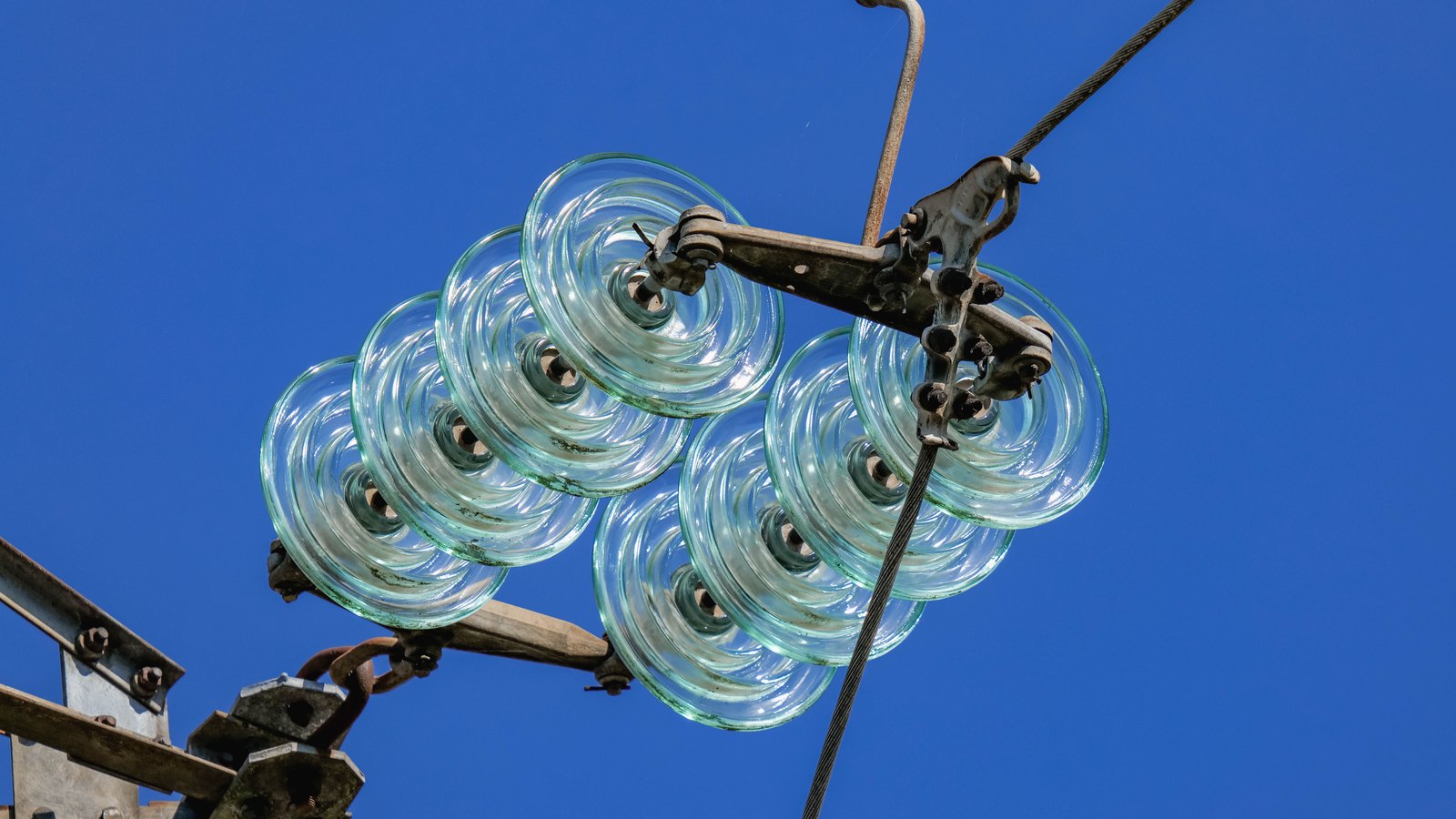 Stock photo
Buried in section 2(b) is the sentence that separates this order from an import ban.
The prohibition in section 2(a) is prospective and narrow. It bites on the acquisition, importation, transfer or installation of foreign-produced bulk-power system electric equipment, but only where the transaction was initiated after the date of the order, only where the Secretary of Energy finds the equipment traces to a Covered Foreign Entity, and only where he further finds that the transaction poses an undue risk of sabotage or supply disruption, an undue risk of catastrophic effects on critical infrastructure or the economy, or an unacceptable risk to national security. Two findings, made deal by deal.
Section 2(b) is retrospective. For equipment acquired or installed before the order, the Secretary may impose conditions on its continued use, operation, maintenance, servicing or updating, and the conditions listed include requirements to identify, isolate, monitor, secure, disconnect, replace or remove it. Before directing isolation, disconnection, replacement or removal he has to consider the effect on reliability and safety, whether a secure replacement is available, and continuity of essential service, and he may set phased compliance. That is a constraint on how, not on whether.
The equipment list is wider than transformers
The order defines the bulk-power system as the facilities and control systems needed to run an interconnected transmission network, plus the generation needed to keep it reliable, and it draws the line at transmission rated at 69,000 volts or more. Local distribution is expressly outside it.
Within that boundary the covered equipment list is long. It names substation transformers, reactors, capacitors, high voltage circuit breakers, protective relaying, metering, generation turbines, large and small and backup generators, automatic circuit reclosers, and instrument transformers. It also names utility-scale and other grid-connected inverters, battery energy storage systems, and industrial control systems down to remote terminal units, programmable logic controllers and intelligent electronic devices. Agencies may additionally weigh associated software, firmware, remote access capability and lifecycle update mechanisms.
Storage and inverters sitting on the same list as circuit breakers is the notable inclusion, because it pulls a class of recently built assets into a supply-chain regime written around heavy iron.
No country is named
The order runs to seven sections and does not name a single foreign state. A Covered Foreign Entity is defined as a country, or a person owned by, controlled by or subject to the jurisdiction or direction of the government of a country, that is subject to a United States arms embargo or sanctions regime under the International Traffic in Arms Regulations at 22 C.F.R. 126.1. The alternative route is a determination by the Secretary of Energy, made in consultation with the Secretary of War, the Director of National Intelligence and the national security adviser, that a country is engaged in conduct detrimental to United States national security or foreign policy.
So the list is partly borrowed from an existing arms-control instrument and partly open. Which countries fall inside it is a question the implementing rules answer, not this document.
The stated reason is load growth
Section 1 grounds the emergency in demand rather than in any single incident. It says the rapid growth of advanced manufacturing, data centres, artificial intelligence and defence production has increased national dependence on abundant, reliable electricity and magnified the consequences of a successful attack or a supply disruption. It raises the possibility of digital backdoors built into equipment that allow remote foreign access, and separately the risk that reliance on foreign supply could cut off the products altogether if international trade is disrupted.
The clock
Within 120 days the Secretary of Energy is to publish implementing rules or regulations. As soon as practicable he is to identify the equipment that poses the risks described and send the President recommendations, through the national security adviser, on identifying, inventorying, isolating, monitoring or replacing it.
A second track runs at the Federal Acquisition Regulation. Within 180 days the Secretary is to hand the FAR Council recommended revisions so that national security risk is weighed in federal energy infrastructure procurement and United States-manufactured energy infrastructure is prioritised. The Council then has 90 days to consider proposing amendments for public comment. Consider, not propose.
The order also creates the opposite of a blocklist. Section 2(e) lets the Secretary set criteria for recognising particular equipment and particular vendors as pre-qualified, exempt from the prohibition, and publish that list.