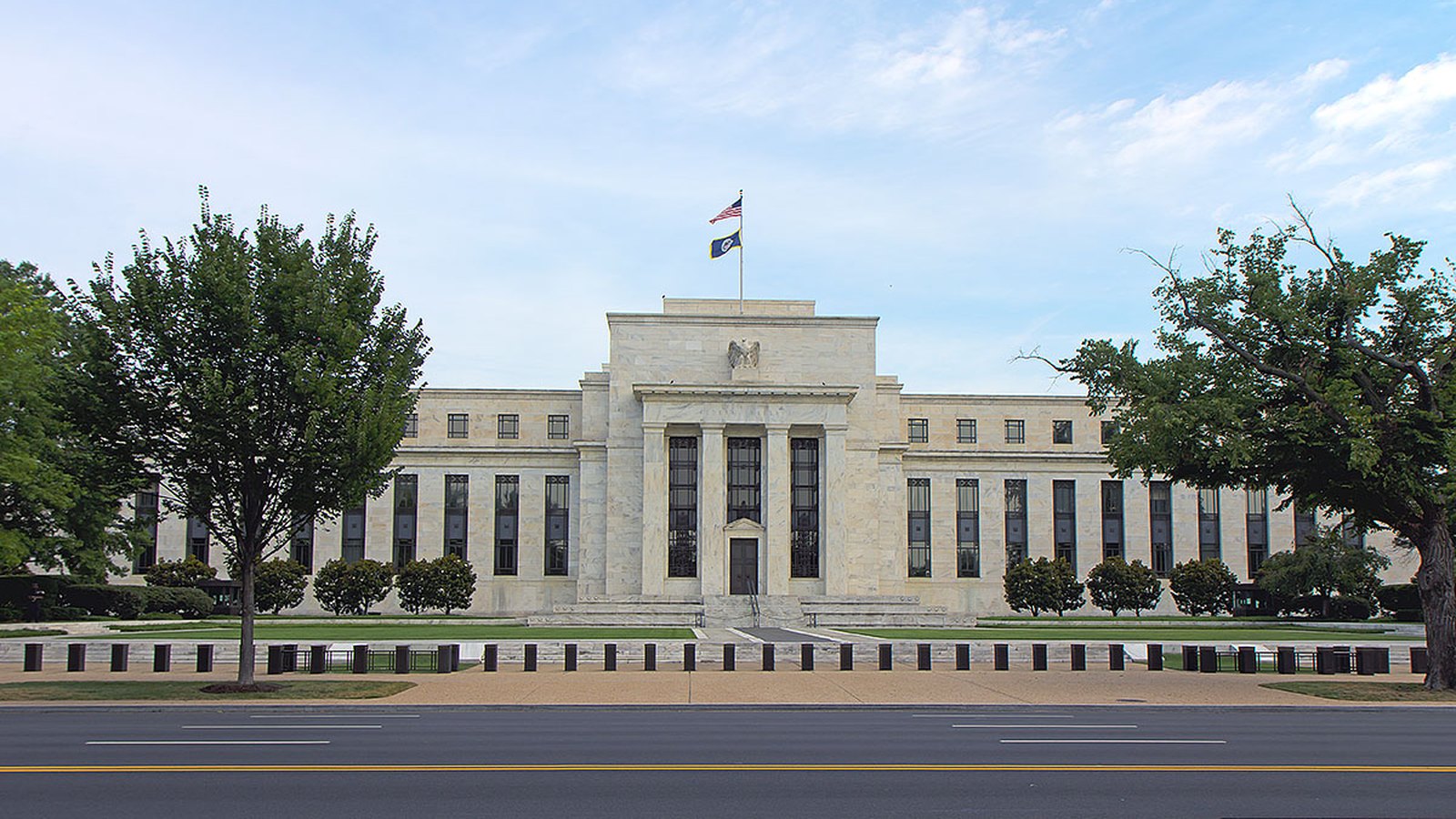
The Labor Department settled a 2024 lawsuit by agreeing to run its farmworker enforcement committees for as long as the rule stayed unchanged, and on Friday it removed the rule
 Stock photo
The settlement said the meetings would continue for as long as the regulations at 29 CFR part 42 were in effect and unchanged. On Friday morning the Labor Department filed a rule removing part 42.
Advocacy organisations sued in 2024 alleging the department had not complied with the rule. The case ended in a stipulation and order of dismissal in December of that year, under which the department agreed to reconstitute a National Farm Labor Coordinated Enforcement Committee and its regional counterparts and to hold public meetings. The department says it has complied since. It also says the agreement never barred it from rescinding the regulation, and the clause it points to is the same one the advocates relied on.
Texas RioGrande Legal Aid and the Center for Law and Social Policy argued in comments that rescission could violate the settlement. The department's answer is one sentence long in substance: the terms apply only while part 42 is in effect and unchanged, so the agreement preserves the discretion to change it.
What is being removed
Part 42 dates from 1980 and it came out of litigation too. The rule itself records that it represents part of a settlement concluding a case brought by the NAACP Western Region against the Secretary of Labor.
It required a national committee, regional committees, written enforcement strategies and coordination plans, designated Farm Labor Specialists at the Wage and Hour Division and compliance officers at OSHA, set frequencies for the meetings, and opened some of them to the public.
Much of it points at things that no longer exist. The Farm Labor Contractor Registration Act was repealed in 1983. The Employment Standards Administration was dissolved in 2009. The department says it kept the committees running for at least a decade after 1980 and then largely stopped, and that its own records do not establish when.
The comment count
Eight submissions came in during the 60-day period. All eight opposed the rescission. They came from legal advocacy organisations, a state interagency committee, nonprofit worker advocates, a state workforce agency and one individual.
Several of them, including the Association of Farmworker Opportunity Programs and Michigan's Interagency Migrant Services Committee, asked the department to update the outdated references rather than delete the regulation. The department considered that and refused, on the ground that the problems are not limited to terminology and extend to the entire framework.
The rule is finalised as proposed.
What the department says takes its place
Monthly Agriculture Taskforce meetings. Quarterly regional coordination calls. Informal working groups, joint investigations, strategic referrals. Hundreds of outreach events a year run by Wage and Hour outreach specialists, and a virtual agricultural seminar open to the public.
None of that is required by regulation, which is the department's point and also the commenters' point. The department adds that Congress built the substantive protections after 1980 anyway, through the Migrant and Seasonal Agricultural Worker Protection Act and the H-2A programme, and that its coordination now runs through those.
The Office of Information and Regulatory Affairs found the rescission not significant under Executive Order 12866, so it was never submitted for review. No regulatory flexibility analysis was prepared, on the ground that a rule about the department's internal procedures has no effect on small entities.
Three officials signed it: the acting head of the Employment and Training Administration, the head of OSHA and the Wage and Hour administrator. It takes effect 30 days after Monday, on 30 September.