The chemical that stops leaded aviation fuel fouling an engine has come back from a review begun in 2019 with a preliminary finding of unreasonable risk
Leaded aviation fuel carries something to keep the lead from building up inside the engine. That something is ethylene dibromide, a colourless, sweet-smelling volatile chemical whose main commercial job, on the agency's own description, is scavenging lead out of commercial and consumer avgas. The Environmental Protection Agency has now published a draft risk evaluation of that chemical, and the preliminary determination is that it does pose an unreasonable risk to human health, driven mainly by certain conditions of use.
The finding is preliminary and the word matters. Under section 6 of the Toxic Substances Control Act, the agency must reach its conclusion on the weight of the scientific evidence and is forbidden from considering cost or any other non-risk factor while doing so. Comments close on 19 October. A peer review by the Scientific Advisory Committee on Chemicals follows, and only then does a final risk evaluation issue.
From high priority in 2019 to a draft in 2026
EPA designated ethylene dibromide a high-priority substance in December 2019. It published a draft scope in April 2020 and a final scope on 4 September 2020. The draft that arrived on Wednesday assesses acute, intermediate and chronic non-cancer risk and cancer risk to workers and to occupational non-users, acute and intermediate risk to consumers, acute and chronic risk to the general population including fenceline communities, and acute and chronic risk to aquatic and terrestrial species. That is a wide sweep for a chemical with one dominant commercial job.
Who the agency thinks is exposed
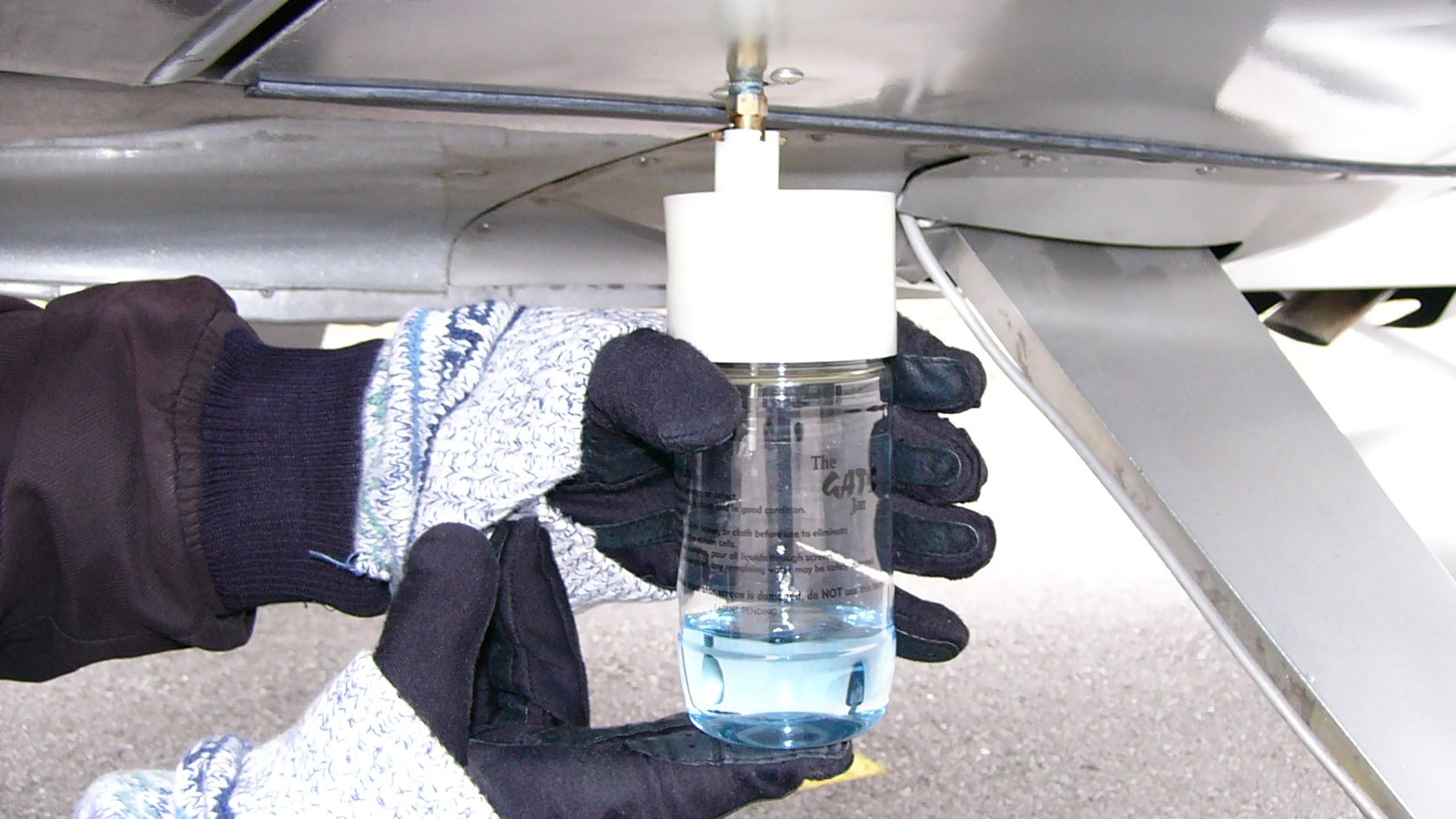
Workers handling the liquid or the vapour, on the agency's account. Occupational non-users only through vapour, because EPA does not expect them to handle the liquid formulations directly. Consumers are in the assessment too, and the exposure route named for them is refuelling a small aircraft. Releases to the environment happen mainly through stack and fugitive emissions, and the chemical can also reach wastewater and be discharged in effluent from publicly owned treatment works.
The questions EPA is actually asking
The request for comment is unusually operational, and it reads as an agency that knows its exposure model is thin. It wants to know how many aircraft an avgas refueller handles on a typical eight-hour day, how long an average refuelling takes and how much fuel goes in, how often a private pilot refuels in a year and for how many years, and what respirators and gloves employers actually enforce. It asks whether any exposure reduction technology or engineering control has been introduced since the 1980s. It also asks for racing fuel use patterns, which is the other place the chemical still turns up.
Those are questions with answers. The people who hold them are flight schools, fixed base operators, fuel terminals and racing fuel distributors, and the window to put them on the record closes on 19 October.