A rate case the government brought against 21 railroads in 1981 has been settled with CSX, and the agreement runs 25 years from today
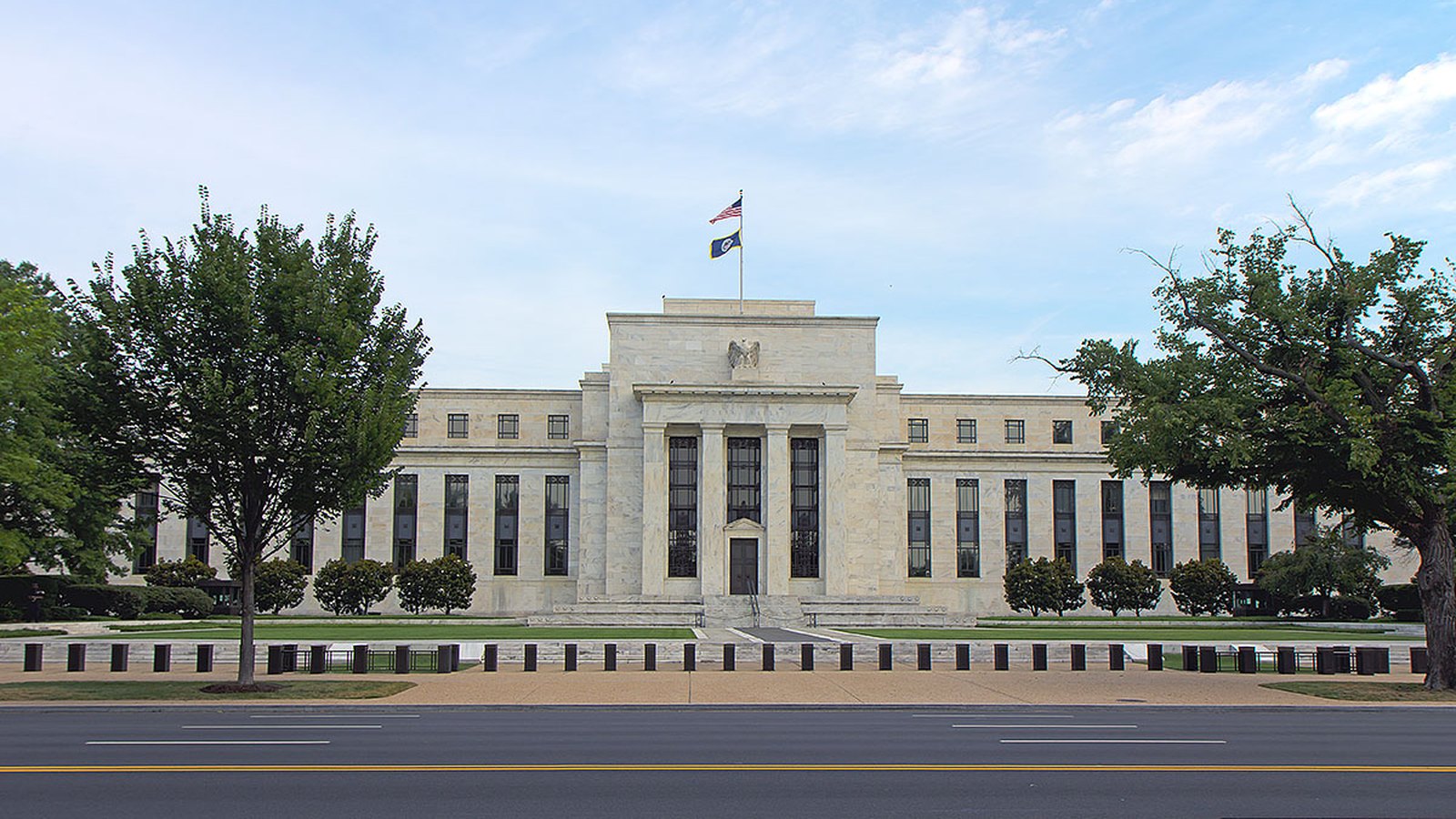
 Stock photo
The complaints were filed in March 1981.
The Energy Department and the Defense Department brought them against 21 railroads under section 229 of the Staggers Rail Act, over what it cost to move spent nuclear fuel, other high-level radioactive waste, the empty casks that carry it, and the buffer and escort cars that travel with it. The Surface Transportation Board decided the last stage of that case on 31 July, approving a settlement with CSX Transportation, and filed the decision with the Federal Register on Tuesday morning. The order takes effect today.
The board's predecessor, the Interstate Commerce Commission, found in 1986 that the railroads had been imposing substantial and unwarranted cost additives on those movements, and it prescribed new rates. The D.C. Circuit set that decision aside and remanded it in 1989. What followed was one carrier at a time: Union Pacific in 2005, BNSF in 2013, Norfolk Southern in 2017, and now CSX, whose joint motion with the government was filed on 1 December 2025.
The terms
Twenty five years, then five-year rollovers, with a year's notice to get out. The Union Pacific and Norfolk Southern agreements carry no end date at all, and the 25-year figure is inherited from BNSF.
The agreement covers movement across CSX lines of irradiated spent fuel and its parts, spent fuel arriving from foreign countries for disposal, empty casks, radioactive wastes, and the buffer and escort cars. Rates are set as maximum revenue to variable cost markups on CSX's system-average unit costs under the board's own costing system, and they update when the board issues new figures. The older eastern rate basis, prescribed in a 1980 case, reaches the former Pan Am Railways lines CSX acquired in 2022.
CSX is dismissed as a defendant and its liability for reparations is extinguished, along with that of its predecessors and subsidiaries. For the purposes of the motion, and only those purposes, it conceded that the board has jurisdiction to prescribe these rates.
What is not finished
The dockets stay open, held in abeyance at the government's request.
In a letter dated 16 April the government told the board that a number of railroads still have no transportation agreement with it, and that it intended to approach a discrete number of them individually. Twenty one were named in 1981. Four have now settled.
When the board asked for comments on the CSX agreement in March, it received none.