The US military says it shot down an Iranian ballistic missile attack on American forces, ending a pause in a war that has kept the Strait of Hormuz closed
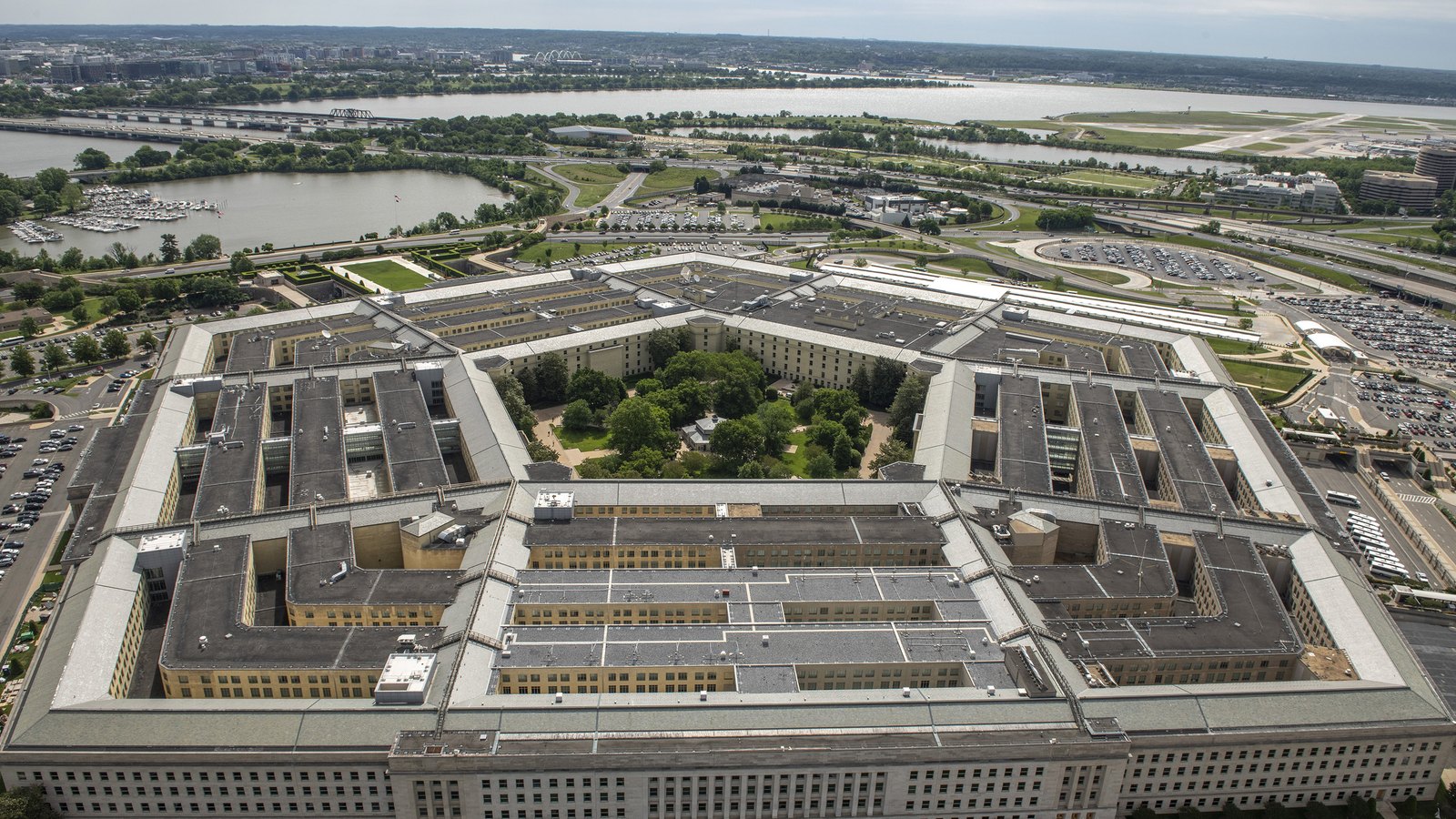
 Stock photo
US Central Command said on Tuesday evening that Iranian forces fired multiple ballistic missiles at American forces based in the Middle East, and that every one of them was intercepted.
Central Command said US forces remain vigilant and at a high state of readiness. It did not name the location that was targeted, and it did not report any casualties from the attack.
The launch ends a quiet stretch of several days. Neither the United States nor Iran had announced a strike since the weekend, after weeks of escalation centred on the Strait of Hormuz, and mediators were reported to have made progress toward returning both sides to negotiations. Tehran had made no public comment on the interception when this was written.
Central Command said separately that American and Saudi fighter aircraft struck multiple logistics and weapons sites across eastern Iraq. It described the operation as a response to more than 30 aerial drone attacks over the previous 72 hours, which it attributed to Iran's Revolutionary Guard and militias aligned with it, and it said those attacks must stop to avoid further US military response. The timing of that operation relative to the missile launch was not immediately clear. Iraqi militias have denied any role in the drone attacks, and the Islamic Resistance in Iraq, an umbrella group, called the Saudi allegations fabrications.
The war began on February 28. Its most durable economic effect is that the Strait of Hormuz, through which about 20 percent of the world oil supply normally passes, has been shut. Iran closed it in effect at the outset by firing on freighters and tankers off its coast, and after an interim ceasefire was signed in June a fight broke out over who controls the route. Iran has demanded that ships hug its coastline and has said it may charge fees for passage. Vessels have increasingly used a southern route along the Omani coast under a US overwatch operation.
That closure is why this is a money story as much as a military one. Gasoline prices have stayed high, the Pentagon has returned to a sceptical Congress for money to cover the growing cost of the conflict, four US troops have died in recent weeks, and the House passed a resolution last week, by a narrow margin, seeking to halt US military action in Iran.
A second supply route is under strain at the same time. Saudi Arabia said on Tuesday that its air defences destroyed several drones aimed at petroleum facilities in its eastern region, the second consecutive day it has reported doing so, and it said the drones were launched from Iraqi territory by militias affiliated with Iran. Iraqi Prime Minister Ali al-Zaidi has ordered an investigation. Houthi forces in Yemen say they fired missiles at the Saudi oil tanker NCC Ghazal and forced it to turn back, part of a blockade of Saudi shipping they announced last week, which places the Bab el-Mandeb strait and the Red Sea approach at risk. The United Kingdom Maritime Trade Operations centre said a tanker reported hearing explosions in the southern Red Sea, and that its crew and vessel were safe.
The missile launch came hours after Israeli Prime Minister Benjamin Netanyahu met President Trump at the White House, their first meeting since the war began. The closed session ran for nearly an hour and a half, and White House press secretary Karoline Leavitt described it as positive and productive without offering further detail. Israel has been largely absent from the recent fighting with Iran.
One thread running underneath all of this is the supply of interceptors. The ability to keep knocking down incoming missiles has drawn attention from members of Congress, from people in the military and from outside analysts who have raised concerns about shrinking American stockpiles. Sean Parnell, the Pentagon's chief spokesman, rejected that framing, saying the military has everything it needs to act at the time and place the president chooses.
The Pentagon has also changed how it counts the losses. Because the operation it had named Epic Fury was declared concluded, the Defense Casualty Analysis System moved the four soldiers killed and the dozens wounded in the latest exchange out of the Iran war tally and into a new category called Overseas Operations.
The account of Tuesday's events here follows an Associated Press dispatch carried by Gulf Coast News. Central Command had not published a press release on the interception on its own public releases page at the time of writing, and the statements quoted above reached the public through news outlets. That page does corroborate the pause: its most recent strike announcement is dated July 23, and it lists no strike release for July 24 through July 27.
Where we read it: Gulf Coast News.
The document: US Central Command, Public Releases index, read in a browser on July 28.