Treasury
3-MO 4.25% +2bp 6-MO 4.32% +2bp 1-YR 4.47% +3bp 2-YR 4.80% +5bp 3-YR 4.89% +4bp 5-YR 5.02% +3bp 7-YR 5.13% +2bp 10-YR 5.24% +2bp 20-YR 5.65% +1bp 30-YR 5.60% unch 3-MO 4.25% +2bp 6-MO 4.32% +2bp 1-YR 4.47% +3bp 2-YR 4.80% +5bp 3-YR 4.89% +4bp 5-YR 5.02% +3bp 7-YR 5.13% +2bp 10-YR 5.24% +2bp 20-YR 5.65% +1bp 30-YR 5.60% unch 3-MO 4.25% +2bp 6-MO 4.32% +2bp 1-YR 4.47% +3bp 2-YR 4.80% +5bp 3-YR 4.89% +4bp 5-YR 5.02% +3bp 7-YR 5.13% +2bp 10-YR 5.24% +2bp 20-YR 5.65% +1bp 30-YR 5.60% unch 3-MO 4.25% +2bp 6-MO 4.32% +2bp 1-YR 4.47% +3bp 2-YR 4.80% +5bp 3-YR 4.89% +4bp 5-YR 5.02% +3bp 7-YR 5.13% +2bp 10-YR 5.24% +2bp 20-YR 5.65% +1bp 30-YR 5.60% unch 3-MO 4.25% +2bp 6-MO 4.32% +2bp 1-YR 4.47% +3bp 2-YR 4.80% +5bp 3-YR 4.89% +4bp 5-YR 5.02% +3bp 7-YR 5.13% +2bp 10-YR 5.24% +2bp 20-YR 5.65% +1bp 30-YR 5.60% unch 3-MO 4.25% +2bp 6-MO 4.32% +2bp 1-YR 4.47% +3bp 2-YR 4.80% +5bp 3-YR 4.89% +4bp 5-YR 5.02% +3bp 7-YR 5.13% +2bp 10-YR 5.24% +2bp 20-YR 5.65% +1bp 30-YR 5.60% unch
US Treasury par yield curve · Oct 9 · Source: U.S. Treasury
Saturday, October 10, 2026
U.S. Edition
Minnesota electric rates

Xcel asks Minnesota regulators to freeze customer base rates through 2028
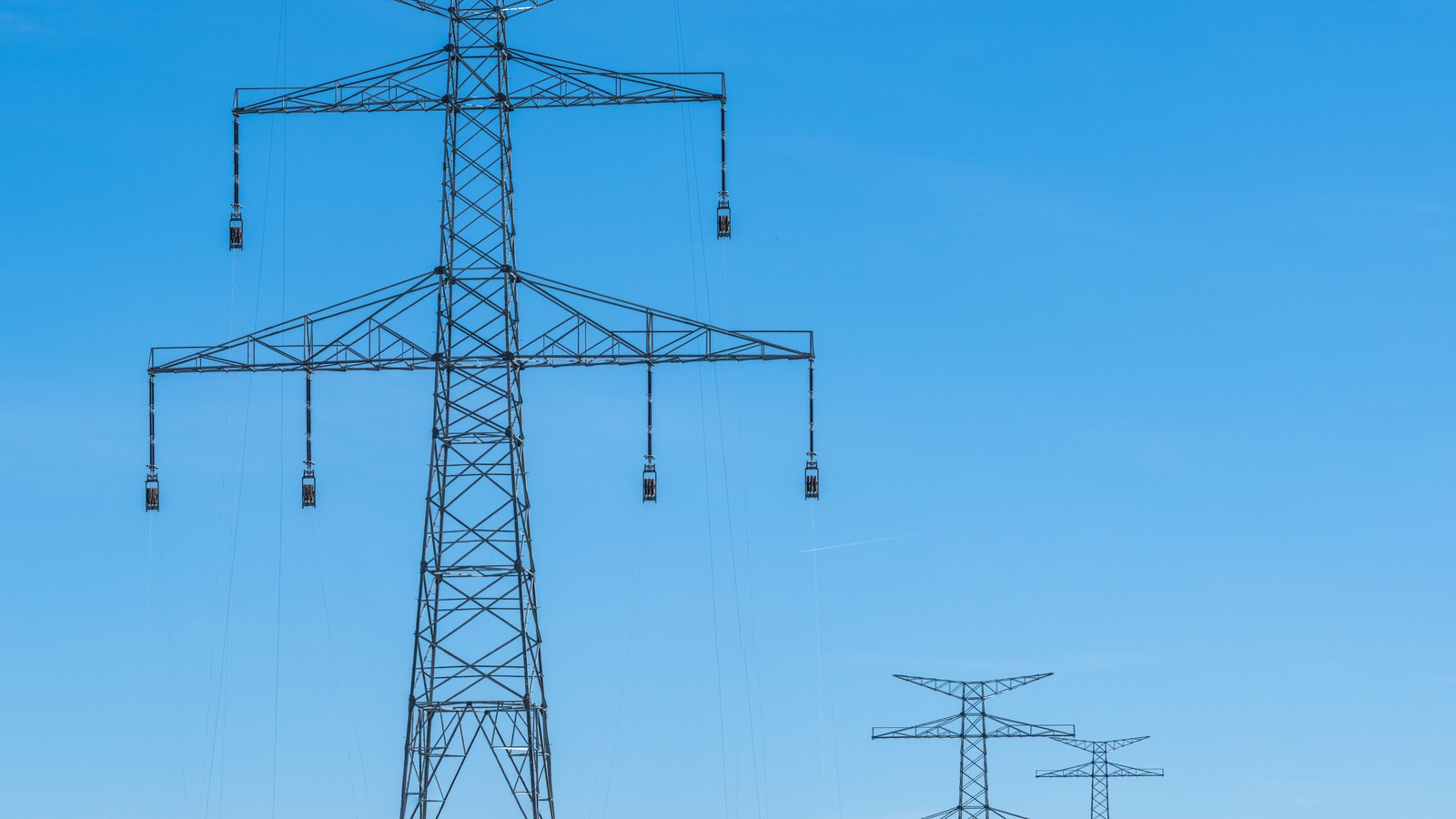
Steel electricity transmission towers against a clear blue sky. Stock photo
Stock photo. Not the actual scene. Photo: Petr Ganaj / Pexels

Xcel Energy's Minnesota electric utility asked state regulators Friday to approve a two-year freeze in customer base rates instead of opening a new rate case.

Northern States Power said the proposal would keep base rates unchanged in 2027 and 2028. The company would accelerate federal investment tax-credit benefits tied to five battery projects and use them to offset costs that otherwise could have pushed rates higher.

The rates are not frozen yet. Xcel asked the Minnesota Public Utilities Commission to decide by January 2027.

The filing does not promise unchanged customer bills. Fuel, purchased-power and other riders sit outside base rates and can still move. For customers, the proposal would narrow one important source of near-term bill increases while regulators review the tradeoffs.