A storm that lasted two days in April has produced a federal disaster loan declaration in late August, and businesses in seven Kansas counties now have until May to apply
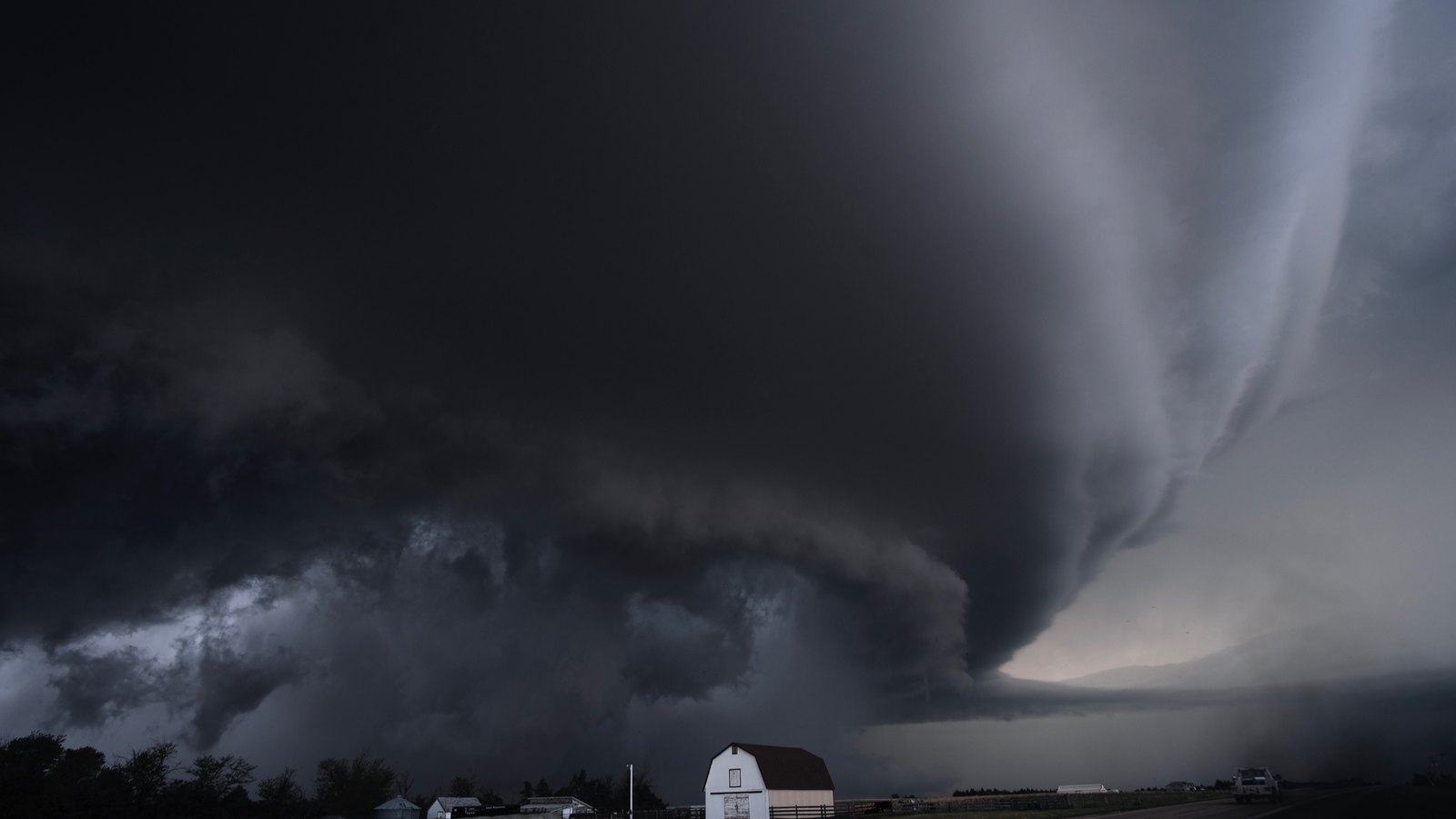
The storm was on 26 and 27 April. The declaration was issued on 21 August.
The Small Business Administration published notice on Thursday of an economic injury disaster declaration covering Saline County in central Kansas and the six counties that touch it, for severe storms, straight-line winds, tornadoes, large hail and flooding over those two days in the spring. The interval between the end of the incident and the signature is just under four months, and that count is this desk's arithmetic off the two dates in the notice. The notice itself offers no explanation for it and none is assumed here.
Businesses now have until 21 May 2027 to apply.
What the declaration actually opens
This is the economic injury half of the SBA's disaster programme, which is a narrower thing than most readers expect. It does not pay for a damaged building. It lends working capital to a business, a small agricultural cooperative or a private nonprofit that suffered financial loss from the disaster and cannot meet ordinary obligations as a result, and it is only available to applicants who cannot obtain credit elsewhere.
The rates are printed on the face of the notice. Businesses and small agricultural cooperatives pay 4.000 percent. Private nonprofits pay 3.625 percent.
Saline County is the primary declaration. The contiguous counties, all of which qualify, are Dickinson, Ellsworth, Lincoln, Marion, McPherson and Ottawa. Applications run through the MySBA Loan Portal at lending.sba.gov or in person at locations the agency says will be announced locally, and the number to quote for economic injury is 218040.
The notice was signed by James Stallings, Associate Administrator of the SBA's Office of Disaster Recovery and Resilience, under the authority at 13 CFR 123.3(b). It gives no damage estimate, no count of affected businesses and no figure for how much the agency expects to lend. A one-page administrative declaration in the Federal Register rarely does, which is the reason a storm in April can reach the public record in August as a single table of interest rates and a deadline.