The White House has set a target of more than 1,000 launches and reentries a year by 2030, and told federal agencies to put their payloads on American-built rockets
Presidential Policy Directive 26 has been revoked. It governed American space transportation for twelve years and nine months.
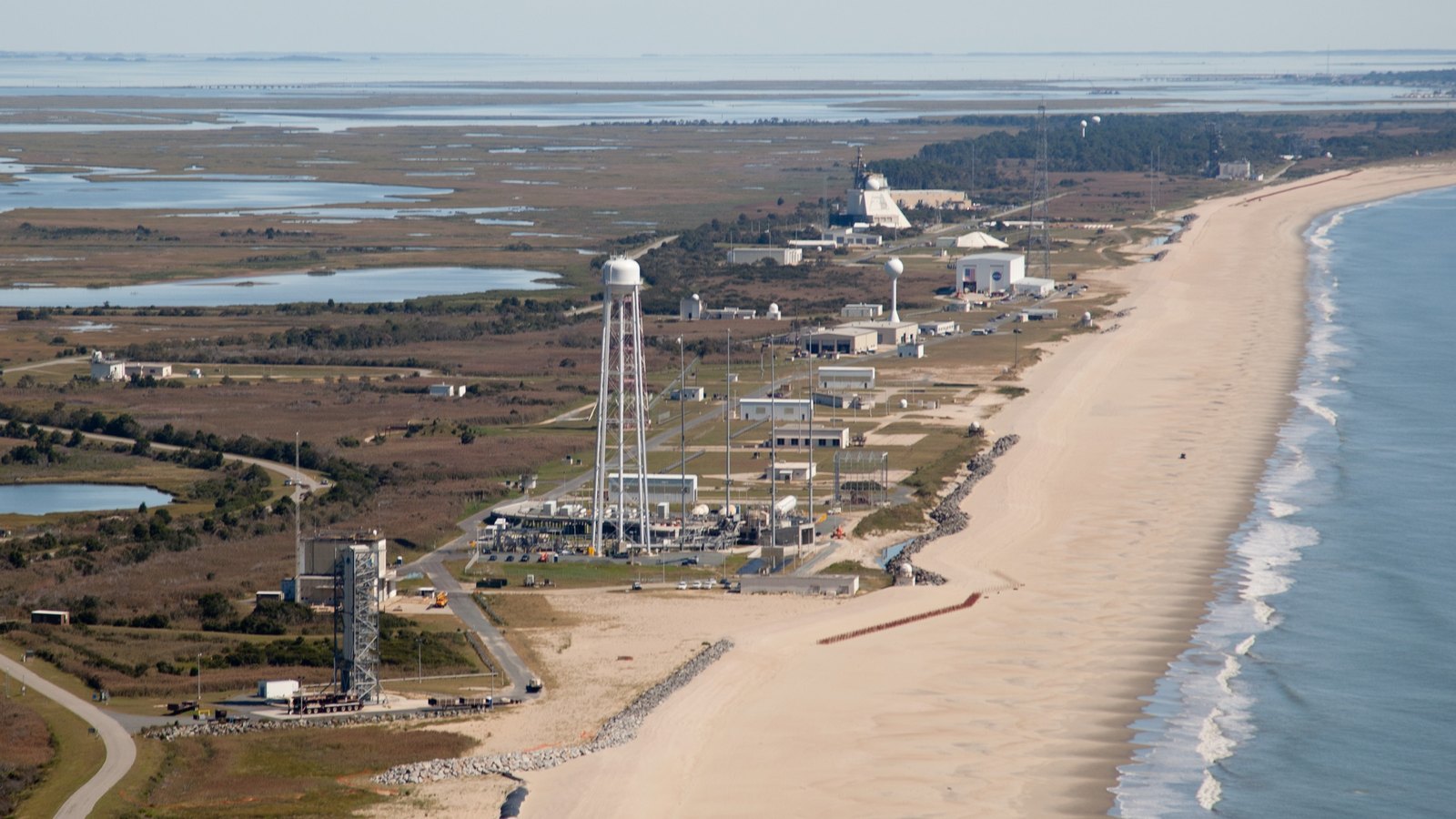
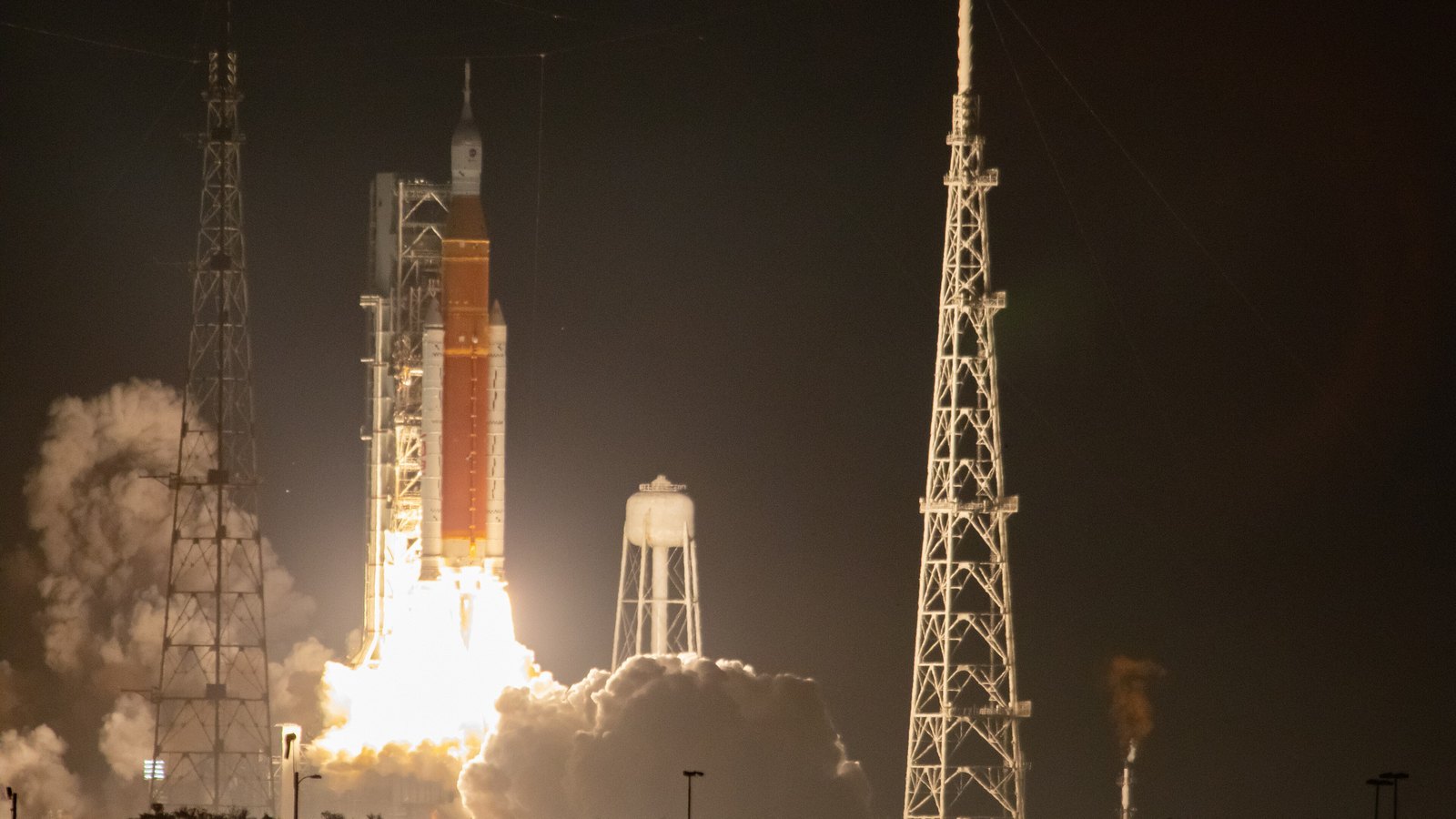
Replacing it is National Security Presidential Memorandum 17, signed on 20 August, filed at the Federal Register's public inspection desk at a quarter past eleven on Monday morning and publishing on Tuesday. It carries a number that is easy to miss and hard to hedge: by 2030, the memorandum states, the country's space transportation ranges must grow to support more than 1,000 launches and reentries every year.
The other load-bearing sentence sits in section 6. Heads of relevant agencies are to ensure that United States Government payloads are launched by, or transported in space on, vehicles manufactured in the United States.
The three ways out
Three exceptions follow, and they are narrower than the rule they qualify.
The first covers international programmes with no-exchange-of-funds agreements, including scientific instruments manifested on foreign spacecraft, and other government-to-government arrangements where a foreign government supplies the launch. The second covers technology demonstrations or science payloads where the payload is secondary and no comparable American launch service can meet the mission. The third covers hosted payload arrangements on spacecraft the United States does not own.
Everything else flies American.
Deadlines, and who owns them
The memorandum runs on a clock. Within 90 days the Interior Secretary is to identify federal lands to serve as an additional designated federal land reentry site. Within 180 days the Transportation Secretary is to identify potential locations for additional launch facilities, put a plan in place to fold launch and reentry management into air traffic control modernisation, and designate priority airspace for critical space launch corridors. The FAA opened a public consultation on the second and third of those on the same day this memorandum was filed.
Also at 180 days: federal range scheduling criteria from the Secretary of War, a first joint report from Commerce and the Federal Communications Commission on spectrum access for launch and reentry, and an evaluation of what stands in the way of getting to orbit inside 48 hours of a need arising. Within 240 days Commerce is to produce a development plan for the new reentry site.
Foreign requests to launch from or reenter over the United States for commercial purposes go to a case-by-case review, with a recommendation reaching the President within 60 days of the necessary information arriving. Five things are weighed, and one of them is verifiable foreign direct investment in American space markets.
Mars appears in the task list
NASA is directed to develop a lunar logistics architecture that supports commercial transport to and from the lunar surface, to explore commercial robotic access to the surface of Mars, and to explore commercial architectures for sending humans to the surface of Mars and returning them to Earth. The Secretary of War is directed to pursue in-space transportation services such as on-orbit servicing and in-space logistics, to maximise infrastructure for a diversity of transportation types including spaceplanes, and to explore relocatable launch equipment.
None of this is money. Section 9 says the memorandum is to be implemented consistent with applicable law and subject to the availability of appropriations, and that it creates no right or benefit enforceable by any party against the United States. It supersedes the 2013 directive outright, waives the administration requirements of the December 2004 space transportation policy under 51 U.S.C. 30703, and controls over any inconsistent earlier presidential memorandum or space policy directive.
The Secretary of War was directed to publish it. That is the department name the document uses throughout.