The Transportation Department has named the four places it has already thought about putting a spaceport, and asked the public why the ones it has licensed sit empty
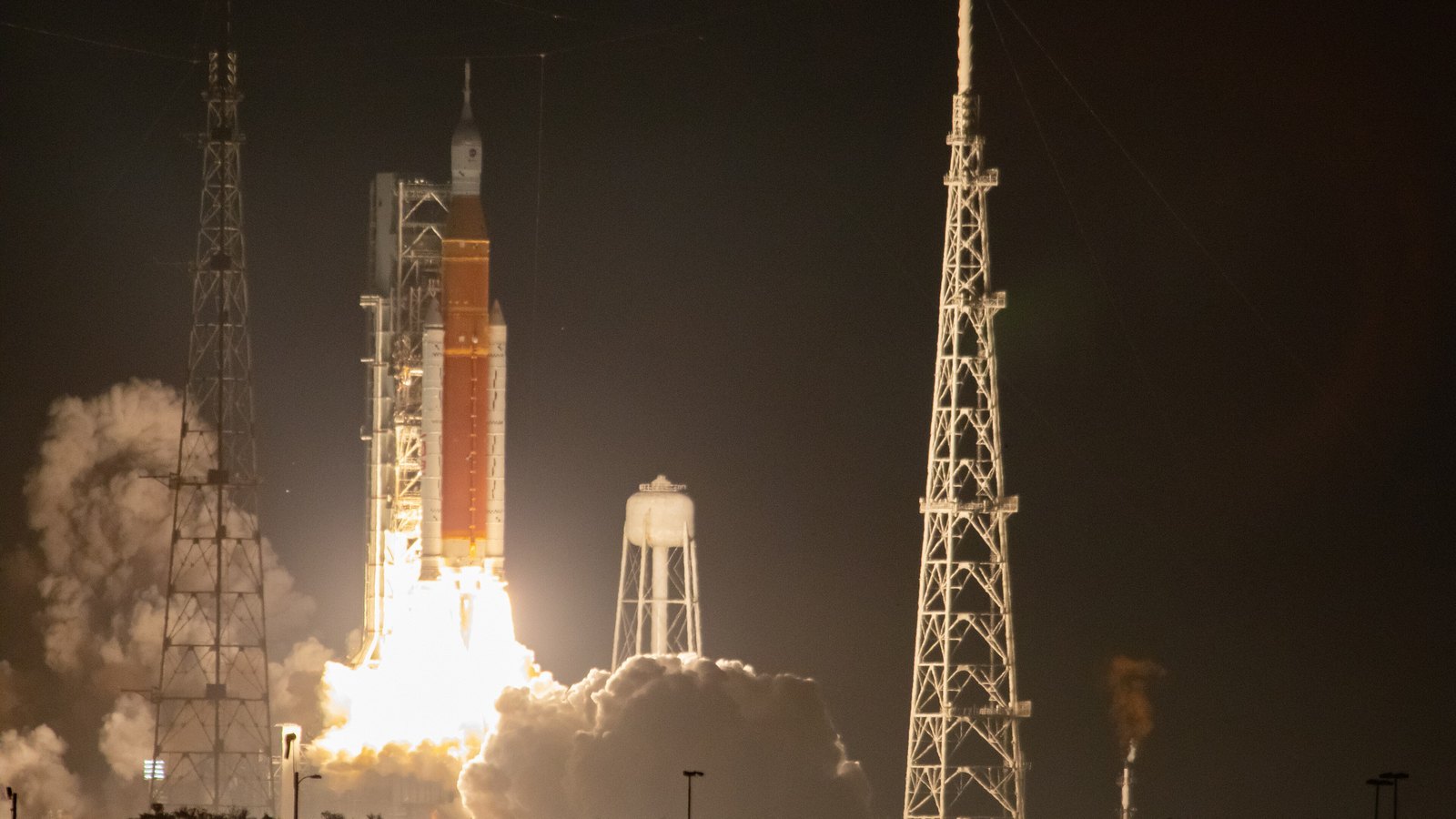
Two thirds of the world's launches last year were American: 217 out of 329. Three federal sites flew 83 percent of them.
That concentration is the reason for a request for information the Transportation Department filed on Monday and publishes on Tuesday, under docket FAA-2026-9736 and over the signature of Secretary Sean P. Duffy. It asks the public two questions that the government does not usually put in writing. Where should a new American spaceport go, and why are the commercial ones already licensed sitting idle.
The sites it names
Question 3 lists four options that have been considered before, and naming them is the most concrete thing in the document.
Spaceport Shiloh, Florida, which Space Florida proposed on roughly 150 acres of undeveloped federal land. Camden Spaceport, Georgia, a site NASA once looked at for Apollo, where planning ran until local stakeholders pushed back in 2022 and development stopped; the county's current site licence runs only through December 2026. A Puerto Rico spaceport, conceptualised between 2012 and 2016 for light and medium launch vehicles. And space launch rigs, meaning converted oil rigs or purpose-built floating platforms.
Question 4 then invites anywhere else.
Why the existing ones are empty
Question 2 is three sentences long and unusually blunt. Why are existing commercial spaceports underutilised. What federal action would increase orbital launches from them. Why have those spaceports not developed into operational ones, and can that development be renewed.
The Department oversees FAA-licensed commercial spaceports and private single-use launch sites, and it is asking the industry to explain the gap between the licence count and the launch count.
The bottleneck, in the Department's own words
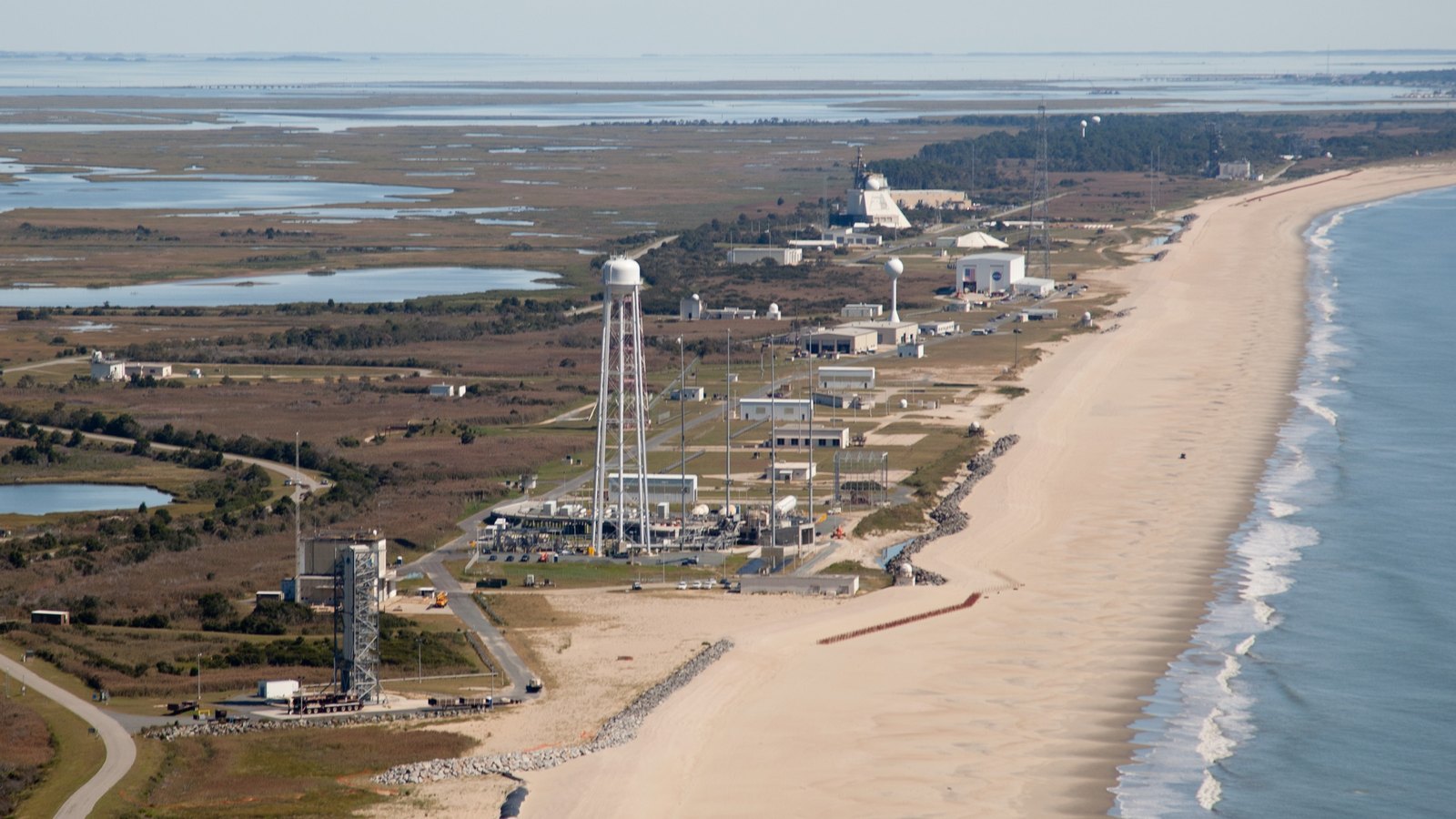
Federal ranges are strained by government and commercial launches together, the notice says, and even with better efficiency the availability of launch and reentry sites may become a bottleneck. NASA's Wallops Flight Facility adds capacity but has tight physical constraints and only four launch pads, with no option for heavy spacelift.
The criteria that picked the Eastern and Western Test Ranges in the 1950s have not changed: launch and reentry over open water, roads and utilities to support the logistics, and access to orbit without early overflight of foreign countries. Question 1 asks whether proximity to the equator, distance from population, or something else should dominate, and what an island site would mean against a continental one. It also names the current public safety criterion, one casualty per ten thousand operations.
Two growth numbers, filed the same day
The notice quotes the new National Space Transportation Policy goal that by 2030 the ranges must support more than 1,000 launches and reentries every year. That memorandum reached the same public inspection desk on Monday, two and a half hours after this notice.
The notice also carries a second figure of its own. The launch rate is expected to reach 10,000 FAA-licensed launches and reentries a year by 2035, moving cadence from a few a week to several a day. Neither document reconciles the two, and the notice does not say what happens between 2030 and 2035 to multiply the first by ten.
The airspace half
The second half of the request concerns something the FAA does not yet have a name for. Launch operators currently work with the Air Traffic Organization to set Aircraft Hazard Areas, and because the same handful of spaceports fly most missions, the same hazard areas are drawn again and again. The memorandum tells the Department to designate priority airspace for critical space launch corridors instead, and the notice concedes that space launch corridor is not a term the FAA uses.
So it asks what one should be. What activities would qualify to activate a corridor, whether payload type should matter, whether all spaceports or only federal ones should benefit, and what fees, restrictions or oversight should govern the thing.
Funding is the other thread. Secretary Duffy has set up a National Infrastructure Development Office to push public-private partnerships, and the notice asks whether that structure could finance a spaceport.
One line at the foot removes any doubt about what this is. It is not a Screening Information Request and not a Request for Offers, the Department is not accepting unsolicited proposals, and it will not pay for anything it receives. Comments close 60 days after publication.