The FAA has made a Lycoming service bulletin mandatory five months after the manufacturer issued it, and gave owners 25 hours of flying to comply
Buried in Wednesday's late Federal Register batch is a rule that grounds nothing and costs the general aviation fleet about $2.3m.
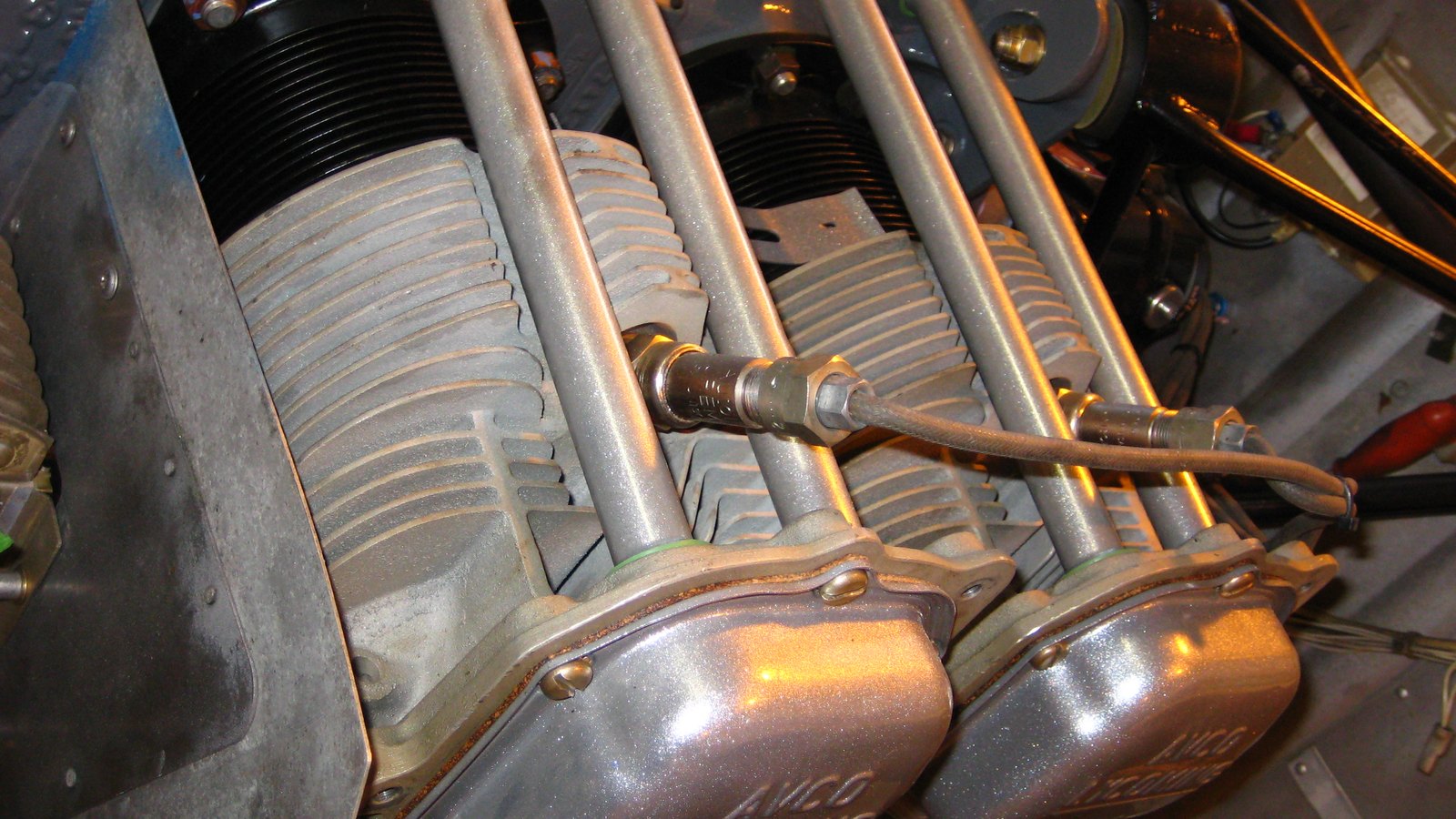
The Federal Aviation Administration has adopted a new airworthiness directive, AD 2026-17-10, covering certain Lycoming Model O-235, O-540 and IO-540 engines fitted with a particular piston pin. It requires the pin to be replaced with a part eligible for installation, requires an oil change and a visual inspection of the oil filter, oil pressure screen and oil suction screen on certain engines, and prohibits installing an affected pin on any engine at all. The rule was filed for public inspection at 11:15 on Wednesday morning and is scheduled to publish on 28 August. It takes effect 15 days after that.
The agency counts 957 engines on airplanes of United States registry.
What went wrong in the pin
Lycoming told the FAA it had reports of metal particulates turning up in engine oil at oil changes, and of two engine failures the agency describes as non-detectable.
The manufacturer investigated and, in the FAA's account, found that certain thin-wall piston pins had been made with microcracks and inclusions in the base metal after honing and tooling process changes at the piston pin supplier. The supplier is not named. A pin that fails puts metal debris into circulation, which the agency says can damage bearings and other cylinders, block oil passages and starve the engine of oil. The stated potential outcome runs from engine failure and in-flight shutdown to loss of control of the airplane.
Lycoming published Mandatory Service Bulletin 667A, which lists the affected serial numbers and sets out the replacement and inspection procedures, on 12 March 2026. The FAA filed this rule on 26 August.
The FAA went further than the bulletin
One requirement in the directive is not in the manufacturer's bulletin. The AD demands the oil change and visual inspection of the oil filter and the two screens within 5 hours time in service, unless the work was done within the previous 10 hours. MSB 667A carries no such deadline.
The agency also skipped notice and comment. It invoked the good cause provisions at 5 U.S.C. 553(b) and 553(d), on the finding that microcracks and inclusions are difficult to detect before the pin lets go, and that affected engines will need to be inspected and the pins replaced within 25 hours time in service, or sooner depending on the model, after the rule takes effect. A comment period long enough to be meaningful would outlast the compliance window, so the FAA treated prior comment as impracticable and contrary to the public interest, and made the rule effective in under 30 days on the same reasoning.
Comments are open anyway. They are due 45 days after publication, and the agency says it may amend the final rule in response.
Because the FAA found good cause to skip notice and comment, no Regulatory Flexibility Act analysis was required, and none was done.
The bill
The cost table is short. Two work hours at $85 an hour is $170 of labour, the parts come to $2,200, and the total is $2,370 per engine. Multiplied across the 957 engines the agency counts, that is $2,268,090 on United States operators.
The FAA says it has included all known costs. It also records the manufacturer's position that some of them may be covered under warranty, which would reduce what operators actually pay. The document does not say how much.