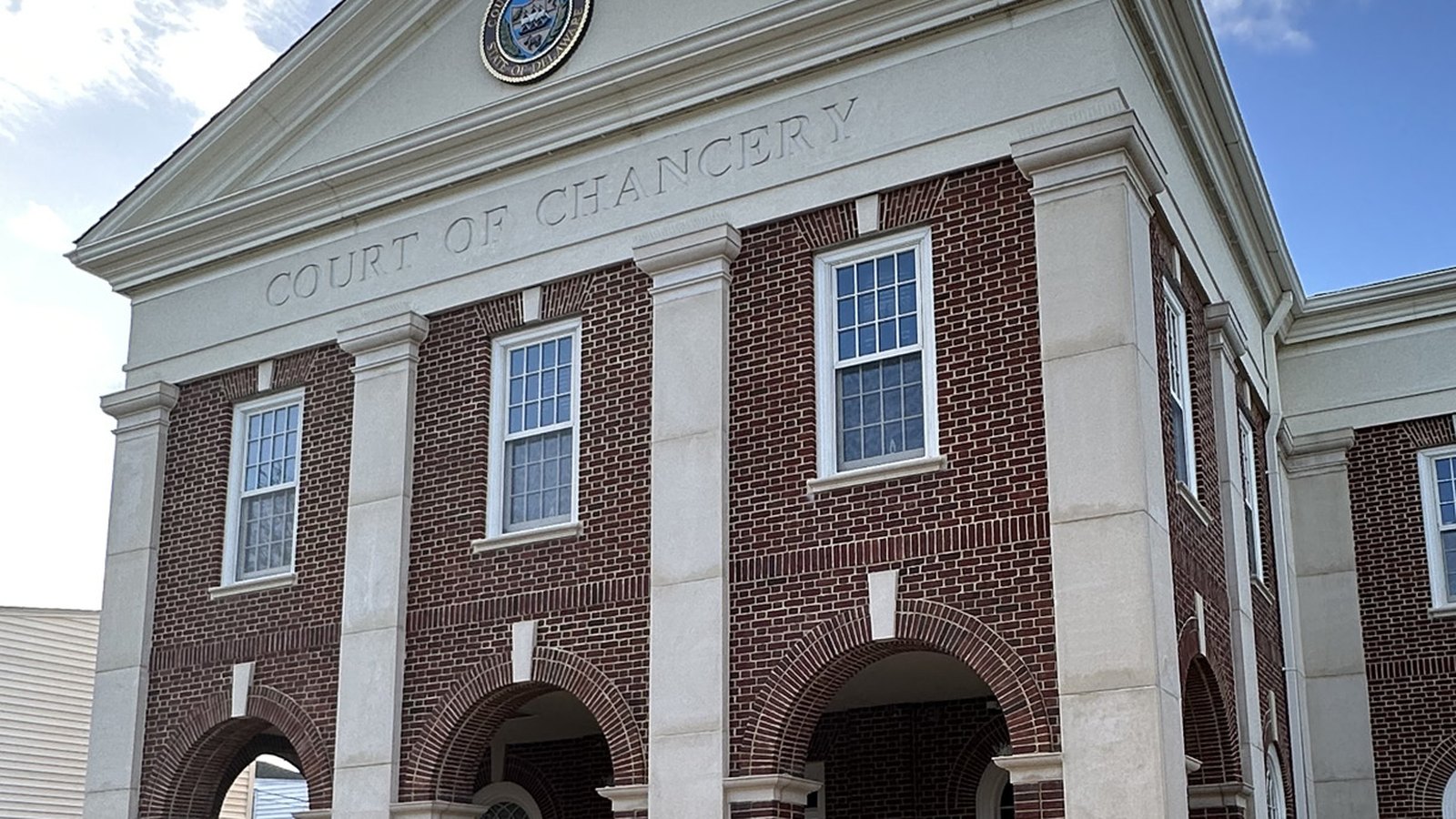
The Justice Department will let CRH buy its Memphis asphalt rival, and the settlement makes the company report future Tennessee asphalt deals that are too small for federal review
 Stock photo
The unusual part of this settlement is not the divestiture.
The Justice Department and the State of Tennessee sued on August 7 to stop APAC-Tennessee, a subsidiary of the Irish building materials company CRH, from buying Standard Construction Group. They filed the settlement the same day. Notice of it went on public inspection at the Federal Register on Tuesday morning, which starts a 60 day comment period.
The deal and the market
APAC signed a letter of intent on October 7, 2024 to buy Standard for at least $133.9m. Standard is a Cordova company with four hot-mix asphalt plants and six sand and gravel plants, and sales of about $81m in 2024. CRH sold approximately $37.4bn of materials worldwide last year.
The complaint draws the market narrowly, and the narrowness is the case. Asphalt sold into a state road project has to meet Tennessee Department of Transportation specifications, and a supplier has to be tested and approved before it can bid. Hot asphalt also cools on the way to the job, so a plant can only serve work within a certain drive of it. Put those two together and the relevant market becomes TDOT-approved hot-mix asphalt in Shelby County, where the United States says APAC and Standard are two of only three suppliers for state road work and hold more than 45 percent of it between them. The purchase would have left APAC with five of the seven approved facilities serving the county.
What has to be sold
Two plants, one from each side. APAC gives up its own facility at 4765 Tuggle Road in Memphis. Standard gives up the Millington plant at 7666 Raleigh Millington Road. Both go to Dunn Investment Company, or to another buyer both governments accept, within 30 calendar days of the court entering the asset preservation order. The United States may extend that by up to 90 days in total. Miss it and the court appoints a trustee to sell the assets, with the defendants paying the trustee.
Employees who follow the plants are released from their non-compete and non-disclosure agreements, keep accrued benefits, and may not be solicited back for 24 months.
The provision that outlasts the sale
Section XI is the part worth reading. For the life of the judgment, CRH and APAC must give the United States and Tennessee advance notice of any acquisition of an interest in a Tennessee hot-mix asphalt business that federal law would not otherwise require them to report. The mechanics copy the Hart-Scott-Rodino Act: a filing, a waiting period, and a window for the government to ask for more.
The threshold is not the federal one. Notice is required unless the target generated less than $5m of Tennessee hot-mix asphalt revenue in the last completed calendar year.
The competitive impact statement explains why in a single sentence, and it is the closest thing in the package to a statement of policy. The market is already highly concentrated, and there is a possibility that transactions may not be large enough to trigger the HSR thresholds at all.