Home ›
SW Florida
› Briefs
Lee County
State gaming regulators and Cape Coral police pulled 60 slot machines out of a Santa Barbara Boulevard storefront that was operating as a bingo hall, and the commission says calling a machine bingo does not make it legal
Money & World
The Editorial Team · August 18, 2026
Stock photo
Stock photo. Not the actual scene. Photo: Elizabeth Ferreira / Pexels
What it changes
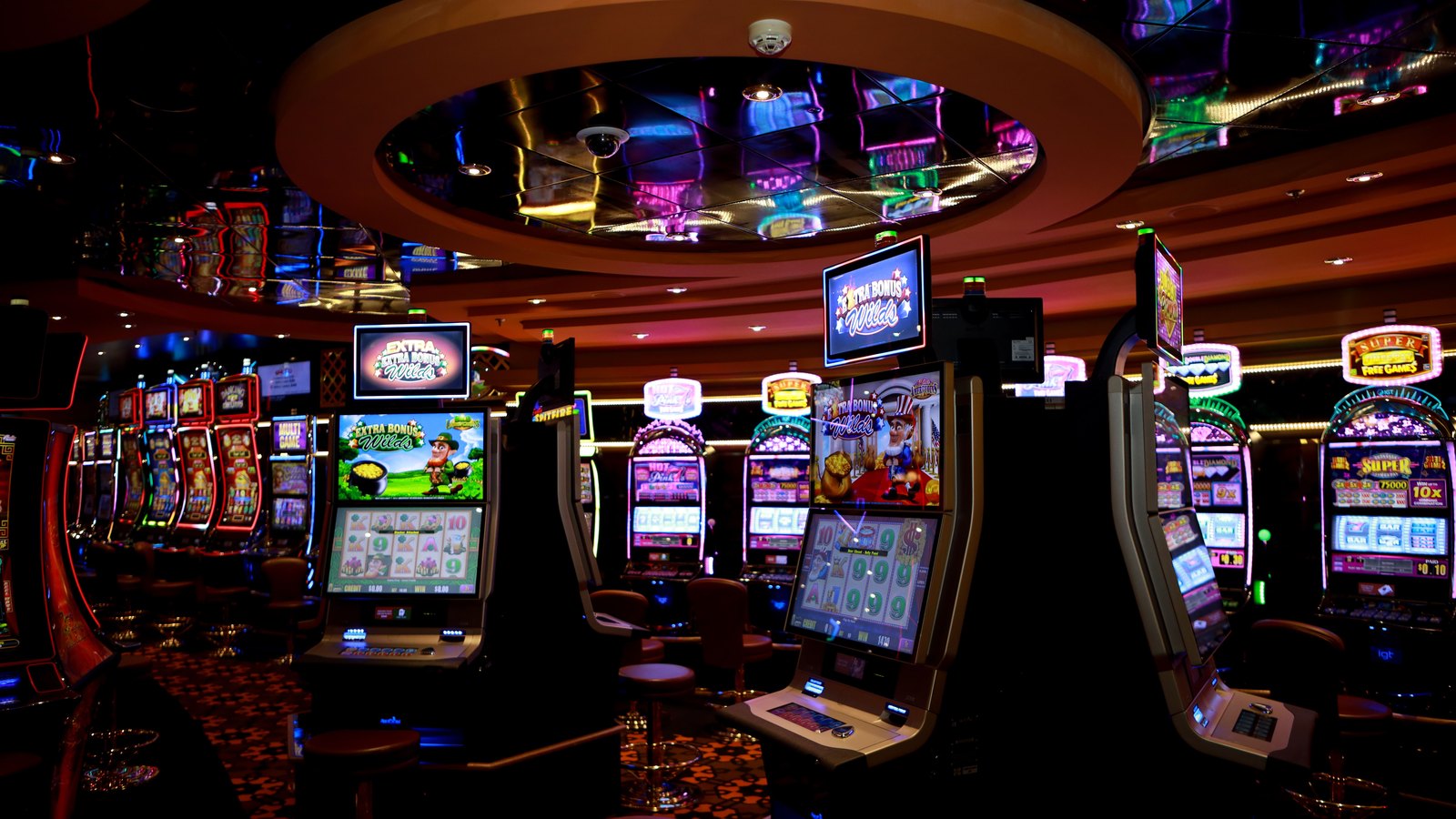
The Florida Gaming Control Commission says it took 60 slot machines out of a Cape Coral storefront, and the part of its announcement that matters most to residents is not the count. It is the rule the commission spent most of the release restating, because it is the rule people keep getting wrong. Calling a machine bingo does not make it a bingo game. The enforcement, which the commission calls Operation Going Downtown, was carried out with the Cape Coral Police Department at 2708 Santa Barbara Boulevard, Suite 108, at a location named Uptown Bingo. The commission describes it as a business operating under the guise of a legal bingo establishment. That is the agency's characterisation, and it is worth being precise about what has and has not happened here: the release names no individual, announces no arrests and announces no charges. Machines were seized and an agency has described what it believes it found. Nobody has been convicted of anything on this record, and a reader who has seen the story elsewhere and come away with the impression that someone has been charged has read past the document. What the commission is actually telling Floridians is where the legal line sits, and it is narrower than most people assume. Bingo played for money and prizes has to comply with Florida law. Paper cards are the lawful form, and players eighteen and older may play. Electronic devices that display games of chance, including slot reels, are prohibited for bingo and instant bingo, and under Florida law a machine that can win a player a prize by skill, by chance, or by any outcome the player cannot predict is a slot machine regardless of what the sign above it says. The label follows the machine, not the other way round. There is also a limit on who may run traditional bingo at all: charitable, nonprofit and veterans' organisations, along with certain residential communities and groups. That last point is the one with the widest reach in Lee and Collier, where residential community bingo is ordinary and legal, and where the distinction between a clubhouse game on paper cards and a storefront full of electronic reels is exactly the distinction the commission is drawing. Slot machines are lawful in Florida at eight licensed locations in Miami-Dade and Broward Counties and at facilities operated by the Seminole Tribe of Florida, and nowhere else. Cape Coral Police Chief Anthony Sizemore framed the local stake in terms beyond the machines themselves, saying the operations undermine legitimate charitable gaming and can create opportunities for broader criminal activity. Commissioner Peter Cuderman pointed residents who are unsure about a bingo operation to the commission's tipline at 850-880-3433, and reports can also be filed at FLGaming.gov/File-a-Report or by email to Tipline@FLGaming.gov. For anyone who played at the Santa Barbara Boulevard location, the release says nothing about money on the machines or about recovering it, and no process for that is described. The practical effect on the street is a storefront whose machines are gone. The practical effect for everyone else is a reminder that in this stretch of Lee County the sign on the door is not what determines whether the game inside is legal.
 Stock photo