Lee County has two dengue cases this year and the state report attributes both to travel, while the four cases Florida mosquitoes actually transmitted sit in three other counties and neither Lee nor Collier is under an advisory
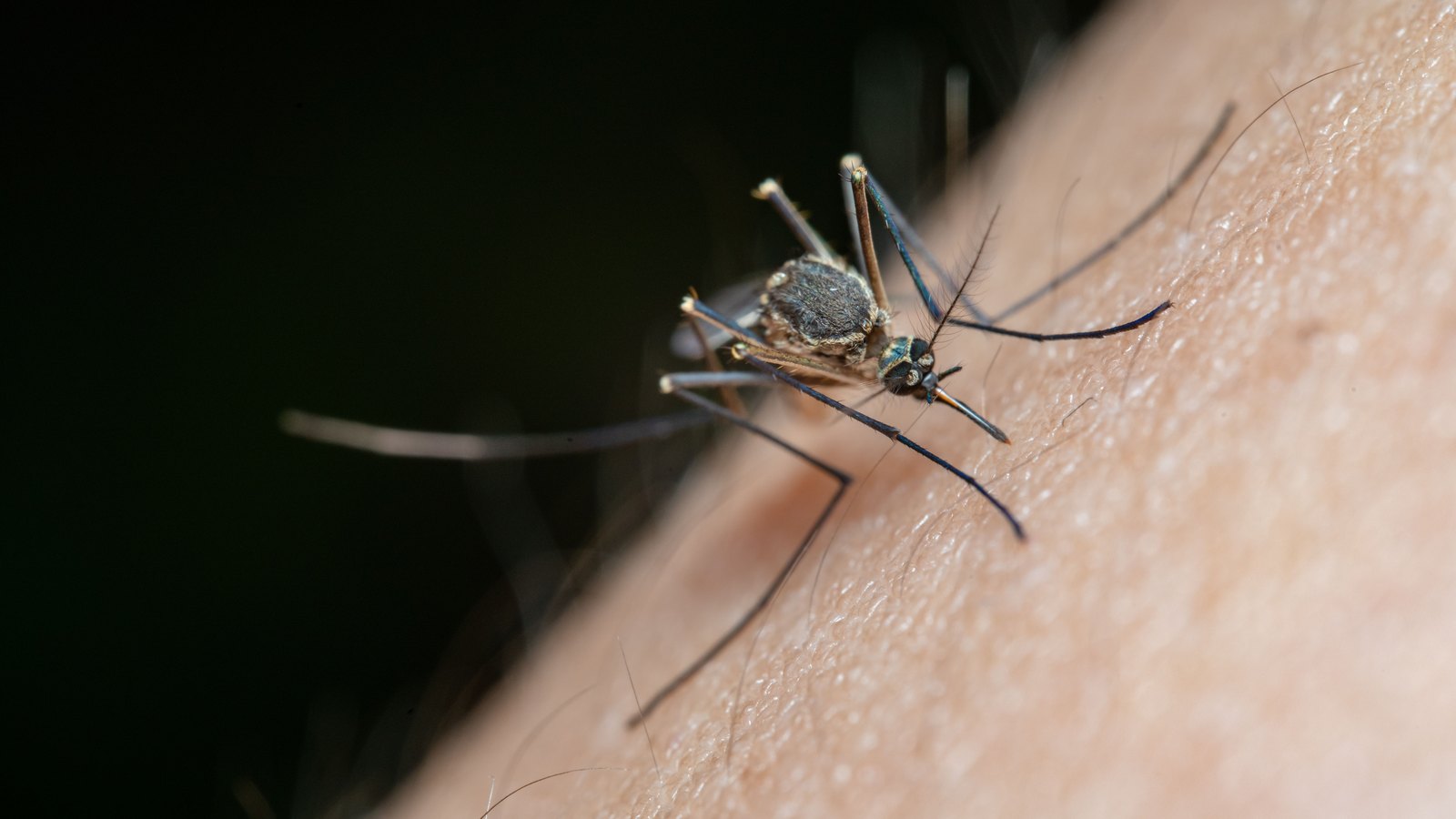 Stock photo
Lee County has recorded two dengue cases in 2026, and the Florida Department of Health attributes both to international travel rather than to local mosquitoes.
The figures come from the department's arbovirus surveillance report for the week of July 26 to August 1. It counts 51 travel-associated dengue cases statewide for the year, spread across sixteen counties, with Miami-Dade reporting 22 of them and Lee reporting two.
Locally acquired dengue is counted separately, and the difference is the one that matters. A travel case is an infection contracted abroad. A locally acquired case means a mosquito in Florida transmitted the virus from one person to another.
Florida has four such cases this year. They are in Hillsborough, which has two, Miami-Dade and Palm Beach, and all four had onset in July. Three of the four were reported during the week ending August 1 alone.
Neither Lee nor Collier County appears in that list. Neither is under a mosquito-borne illness advisory or alert either. The report names Alachua, Leon, Palm Beach and Pasco as under an advisory and Hillsborough and Miami-Dade as under an alert.
The individual notices carry their own dates. The health department in Hillsborough issued an alert on July 31 after a second confirmed case of locally acquired dengue. The Palm Beach department issued an advisory on August 3 following a confirmed case, and the Miami-Dade department issued an alert on the same day in response to a confirmed locally acquired case.
Collier County does not appear in either dengue list. Its only entry in the report is a single travel-associated chikungunya case, one of 44 statewide.
What Lee County has is testing rather than a notice. WINK News reporter Hunter Walterman reported on Monday that the Lee County Mosquito Control District traps mosquitoes and brings them back to its Buckingham laboratory, where specimens are ground up and tested for the pathogens they may be carrying. The district monitors Aedes aegypti, the species that can transmit dengue, chikungunya and Zika.
Jenifer McBride, the district's communications director, told the station that it is always on alert, and said the district relies on residents to dump standing water in their gardens. Michael Teng, an infectious disease researcher at the University of South Florida, told the station that local transmission is the route by which an outbreak of the virus can begin.
Of the four locally acquired cases, three have been serotyped. Both Hillsborough cases and the Palm Beach case are DENV-2. The Miami-Dade serotype is recorded as unknown.
Where we read it: Hunter Walterman at WINK News. Read their story.
The document: Florida Department of Health, Florida Arbovirus Surveillance, week 30, July 26 to August 1, 2026.