Lee County's cyclosporiasis count reached 32 in the state's Thursday update, and Broward passed it to take second place after adding twelve cases in a single week
Florida's count of cyclosporiasis rose to 352 confirmed and probable cases among state residents in the update published Thursday, from 264 a week earlier. Lee County accounts for 32 of them and Collier County for seven.
The figures come from the Department of Health's Reportable Diseases Frequency Report, the state's running tally of diseases that laboratories and physicians are required by law to report, and cover January 1 through August 1. WINK News published the county by county breakdown on Thursday. News4Jax reported the same weekly series and counts 42 counties with at least one case.
One thing this site reported last week has changed, and it is worth stating plainly because it goes the other way from the usual correction. On July 31 this site reported Lee County as second in the state at 25 cases, ahead of Broward and Orange at 22 each. Broward has added twelve cases since then to reach 34. Lee added seven. Miami-Dade leads at 50, Broward is second at 34, and Lee is now third at 32.
Lee is still the highest county in Southwest Florida by a wide margin. Collier has seven, Sarasota four and Charlotte one.
Two statewide figures are in circulation this week and both are the state's own. The 352 is counted from January 1. WGCU and WUSF, carrying combined station and Associated Press reporting, publish 342 for the same August 1 data date, counted from May 1, with Lee at 30. The difference is the cases recorded before May 1. Neither figure is wrong, but the two series should not be mixed from one week to the next, or a reader will manufacture an increase that did not occur.
The increase itself is real on either basis. The state has added more than 180 cases in two weekly updates, from 167 through July 18 to 264 through July 25 to 352 through August 1. News4Jax puts the comparable figure for 2025 at 99 cases.
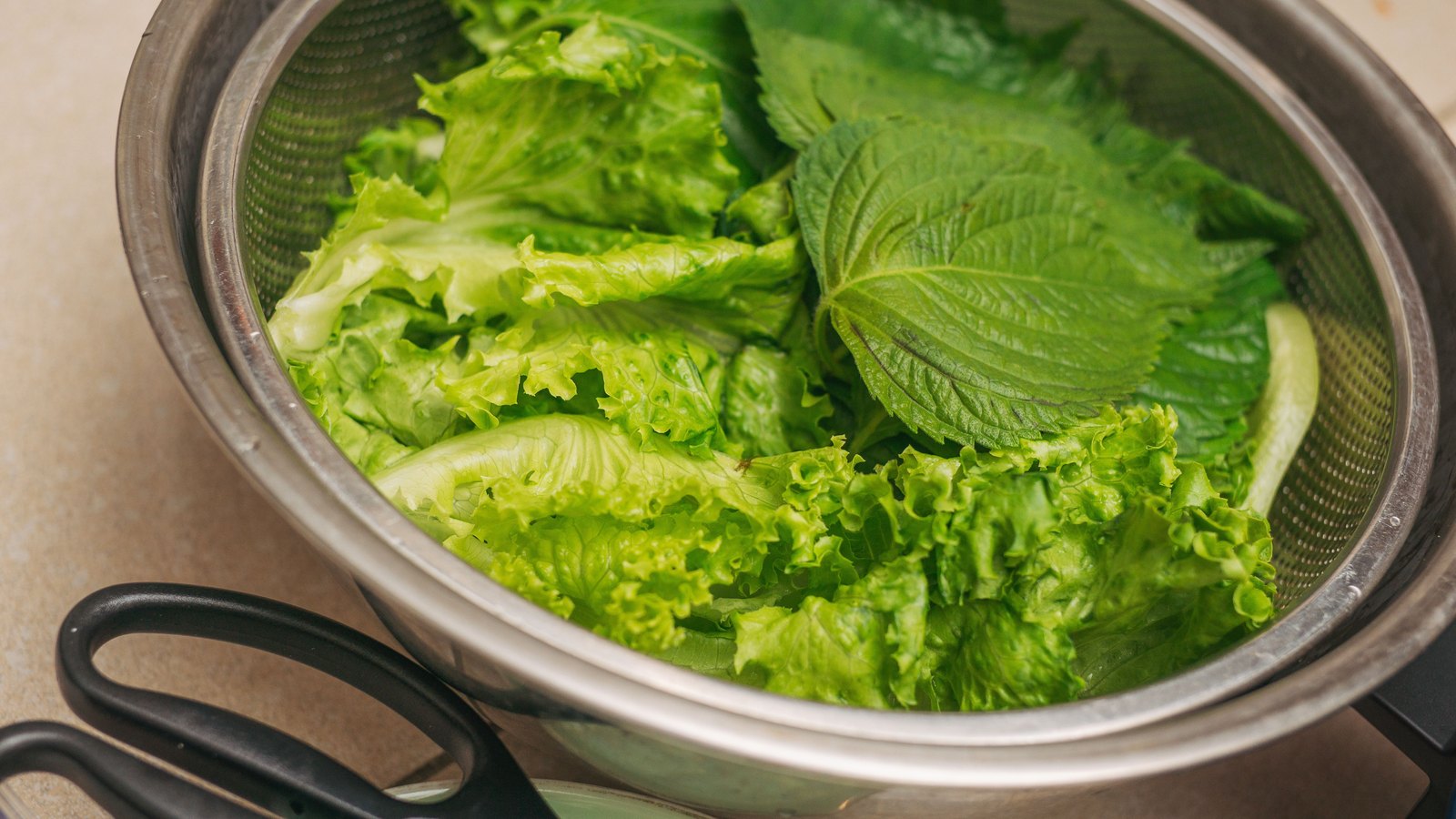
The source is not in doubt. The Centers for Disease Control and Prevention, in a page updated August 5, links the outbreak to iceberg lettuce from Taylor Farms de Mexico grown in central Mexico, which the company recalled on July 17. The agency counts 6,358 cases, 278 hospitalizations and two deaths across 15 states, six of them new, and lists the investigation as open. The recalled lettuce reached at least 27 states, including Taco Bell locations and Marketside brand product at select Walmart stores. The Food and Drug Administration is running the traceback.
The best before dates on the recalled product have passed, which changes what a household should actually be doing. This is now less about checking a refrigerator than about understanding the lag. Symptoms usually start about a week after exposure and can take two weeks or more, and the state's weekly counts trail that again, so cases posted in the coming weeks may still date from exposure before the recall.
Cyclospora is a microscopic parasite carried on fresh produce or in water. It does not pass from person to person. Symptoms include frequent watery diarrhea, cramping, nausea, loss of appetite and fatigue, and an untreated infection can run for weeks and relapse.
One piece of standard hygiene advice does not work here. The CDC states that alcohol based hand sanitizer does not kill Cyclospora, so soap and running water are the step that counts, before handling food and after using the bathroom. Washing produce is worth doing but is not a guarantee. Cooking produce to at least 158 degrees Fahrenheit does kill the parasite.
Anyone with watery diarrhea that has lasted more than a few days should ask a doctor specifically about a Cyclospora test. Routine stool panels do not always screen for it, which is part of why the CDC issued a Health Alert Network notice on July 14 telling clinicians to test for it.
The state sets out its own limits on these numbers. Counts include confirmed and probable cases, the data are refreshed each Thursday to cover the Morbidity and Mortality Weekly Report week running Sunday through Saturday, and the figures are preliminary and subject to change as laboratory, investigation and medical results are completed.
This site was again unable to generate the state report table directly. A request to the Reportable Diseases Frequency Report timed out from this desk on Thursday, so the county figures above rest on outlets that published the same state report, cross-checked across the January 1 and May 1 series before publication.
Where we read it: WINK News.
The document: Florida Department of Health, Bureau of Epidemiology, Reportable Diseases Frequency Report, data through August 1, 2026.