A solar module plant in Summerville wants to build inside a foreign trade zone, and the rules make its imported cells carry their own duty all the way into the finished panel
Buried in the second half of a two page notice is the sentence that decides the economics of the whole plant, and it is a citation rather than a number.
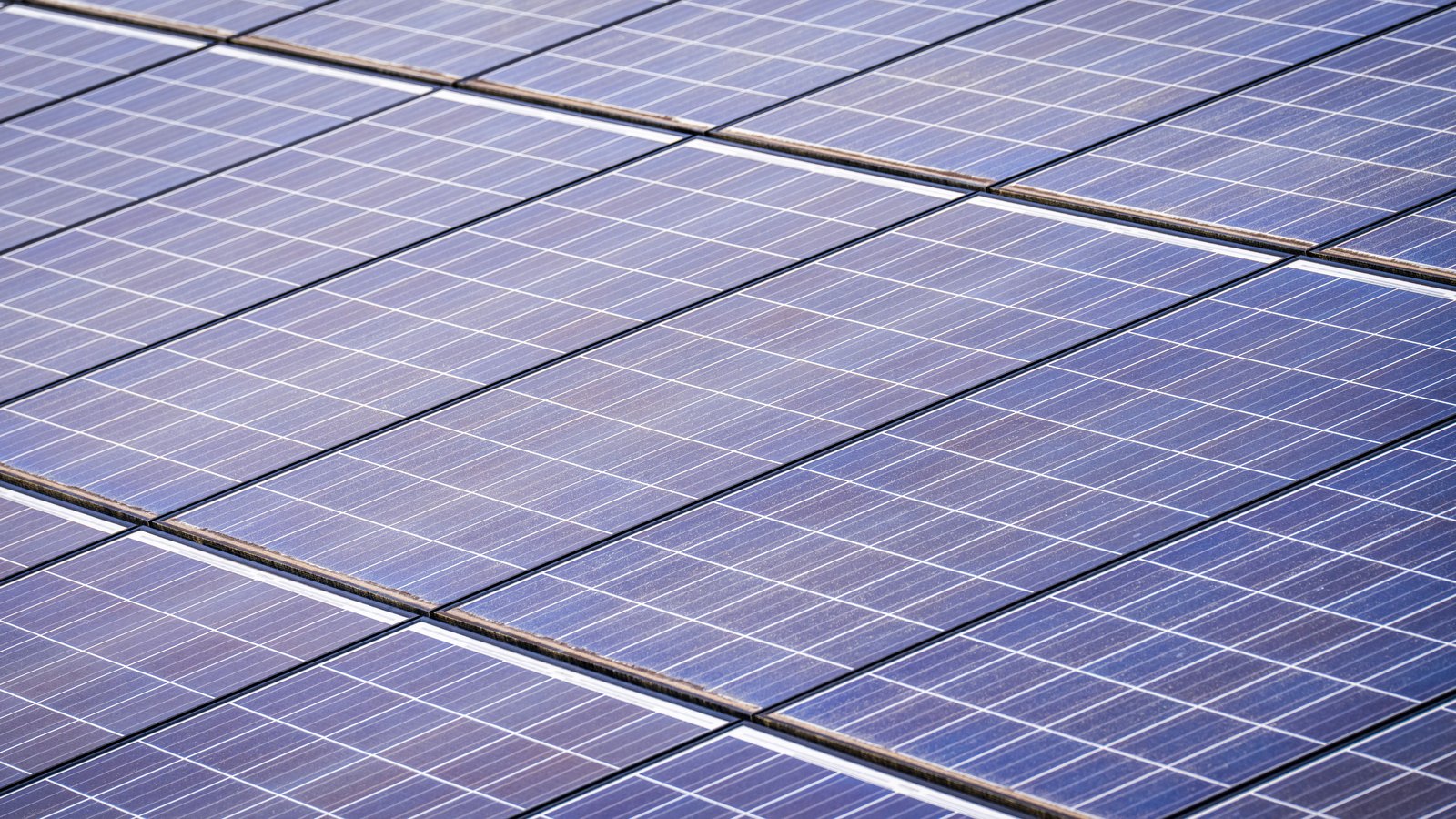
Translucent Solar, LLC has told the Foreign-Trade Zones Board it intends to produce solar photovoltaic modules at a facility in Summerville, South Carolina, inside Foreign-Trade Zone 21. The Board received the notification on 31 July and filed it with the Federal Register on Thursday morning under docket B-99-2026. The finished product is described as half cut monocrystalline silicon heterojunction cells connected and sealed between two layers of low iron glass, framed in aluminium, with a junction box on the back. As a finished good it is duty-free.
The imported inputs are not. The filing lists low-iron patterned solar glass and low-iron rear or float glass, both at 1297 by 2378 by 2 mm, and G12 or G12R monocrystalline heterojunction cells, with duty rates running from free to 5 percent.
The status that cannot be given up
Two separate rules force the parts into privileged foreign status, and the notice names both.
Some of the components are subject to duties under section 301 of the Trade Act of 1974 depending on where they come from, and those decisions require the merchandise to be admitted to a zone in privileged foreign status. Crystalline photovoltaic cells face a second route to the same place: they are subject to an antidumping or countervailing duty order or investigation if imported from India, and the Board's own regulation at 15 CFR 400.13(c)(2) requires such goods to be admitted the same way.
The notice cites 19 CFR 146.41 and stops there. The regulation itself is short about what the status does. Privileged foreign merchandise is classified and valued as it stood on admission, and under paragraph (e) the status cannot be abandoned and remains applicable to the merchandise even if it is changed in form by manufacture.
That is the mechanism. A cell that enters in that status is still a cell for tariff purposes when it leaves as part of a panel.
What the notice does not disclose
It does not say where the glass or the cells are coming from.
Country of origin is what determines whether the section 301 exposure applies at all, and the notice records only that it depends on origin. India appears once, in the conditional, attached to the antidumping and countervailing route. The finished module has no origin question because it would be made in South Carolina.
Public comment closes 40 days after the notice publishes, addressed to the Board's executive secretary. Any authorisation the Board eventually grants is limited to the specific materials and finished products described in the notification.