Treasury
3-MO 3.89% +2bp 6-MO 4.05% +3bp 1-YR 4.11% +3bp 2-YR 4.31% +5bp 3-YR 4.34% +3bp 5-YR 4.41% +4bp 7-YR 4.53% +3bp 10-YR 4.67% +4bp 20-YR 5.17% +3bp 30-YR 5.15% +2bp 3-MO 3.89% +2bp 6-MO 4.05% +3bp 1-YR 4.11% +3bp 2-YR 4.31% +5bp 3-YR 4.34% +3bp 5-YR 4.41% +4bp 7-YR 4.53% +3bp 10-YR 4.67% +4bp 20-YR 5.17% +3bp 30-YR 5.15% +2bp 3-MO 3.89% +2bp 6-MO 4.05% +3bp 1-YR 4.11% +3bp 2-YR 4.31% +5bp 3-YR 4.34% +3bp 5-YR 4.41% +4bp 7-YR 4.53% +3bp 10-YR 4.67% +4bp 20-YR 5.17% +3bp 30-YR 5.15% +2bp 3-MO 3.89% +2bp 6-MO 4.05% +3bp 1-YR 4.11% +3bp 2-YR 4.31% +5bp 3-YR 4.34% +3bp 5-YR 4.41% +4bp 7-YR 4.53% +3bp 10-YR 4.67% +4bp 20-YR 5.17% +3bp 30-YR 5.15% +2bp 3-MO 3.89% +2bp 6-MO 4.05% +3bp 1-YR 4.11% +3bp 2-YR 4.31% +5bp 3-YR 4.34% +3bp 5-YR 4.41% +4bp 7-YR 4.53% +3bp 10-YR 4.67% +4bp 20-YR 5.17% +3bp 30-YR 5.15% +2bp 3-MO 3.89% +2bp 6-MO 4.05% +3bp 1-YR 4.11% +3bp 2-YR 4.31% +5bp 3-YR 4.34% +3bp 5-YR 4.41% +4bp 7-YR 4.53% +3bp 10-YR 4.67% +4bp 20-YR 5.17% +3bp 30-YR 5.15% +2bp
US Treasury par yield curve · Jul 22 · Source: U.S. Treasury
Wednesday, July 22, 2026
U.S. Edition
Economics

Japan swung to a trade deficit in June as its oil bill jumped and the volume fell
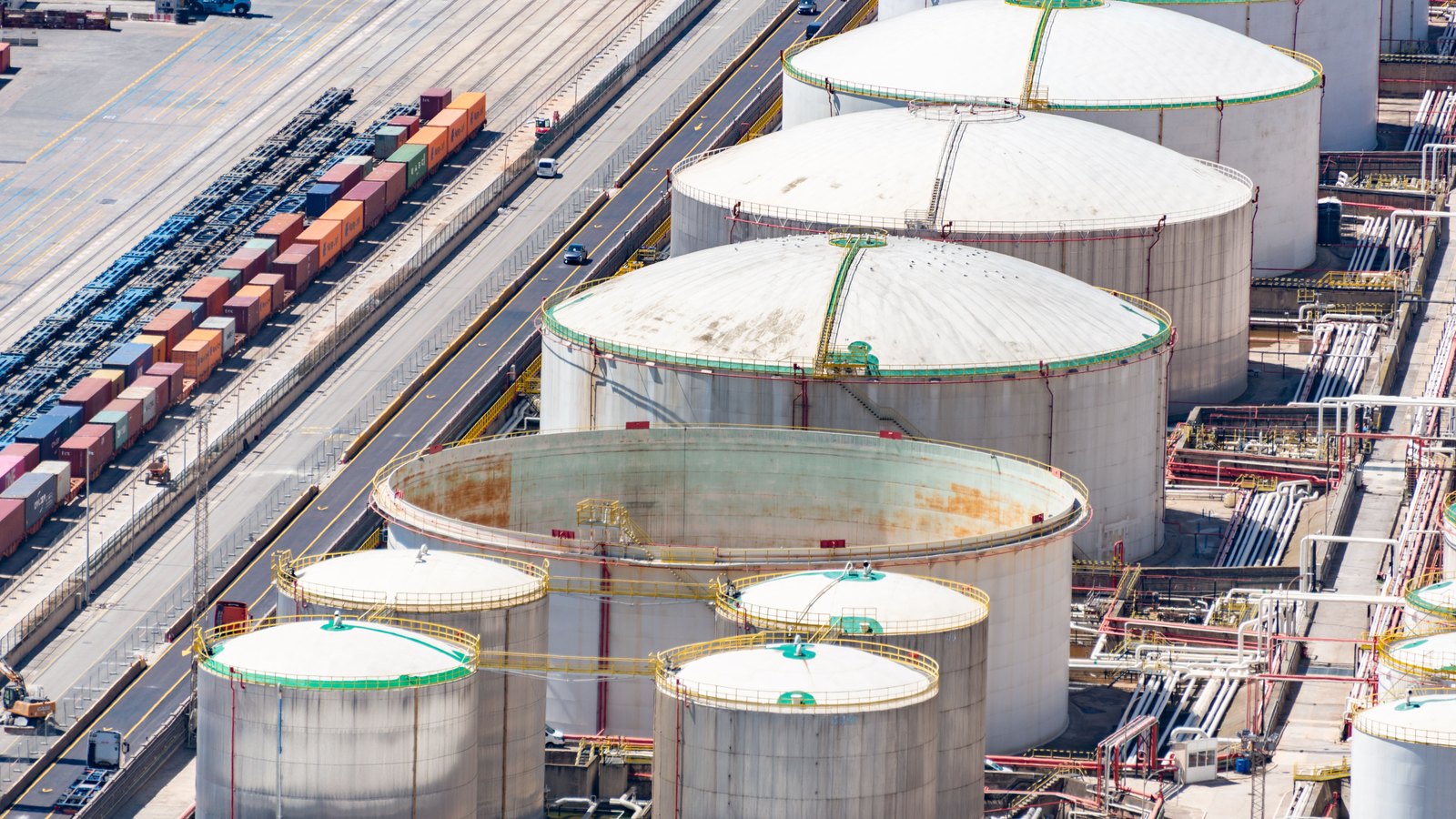
A photograph illustrating oil storage tanks aerial.
Photo: Diego F. Parra / Pexels

406.9bn yen. That is the merchandise trade deficit Japan recorded in June, according to provisional figures the Ministry of Finance released on July 22. A year earlier the same month showed a surplus of 122.3bn yen. Exports rose 19.3 percent to 10.9tn yen. Imports rose faster, up 25.4 percent to 11.3tn yen, and the difference is what flipped the balance into the red.

The gap sat in energy. The value of petroleum imports rose 59.3 percent from a year earlier, to 1.04tn yen, while the volume of petroleum shipped in fell 13.7 percent. Japan bought less oil and paid far more for it, which is a price effect and nothing else. Liquefied natural gas told a milder version of the same story, its value up 14.7 percent on a 6.2 percent rise in volume. Crude has traded higher since the strikes on Iran began this month, and June is the first full month in which that shows up in an importer's accounts.

Exports still grew. But an economy that runs on imported fuel does not get to choose its oil bill, and in June that bill decided the balance.