Many on the Fed judged that tightening will be needed if inflation does not fall, and the market has already priced a rise for September
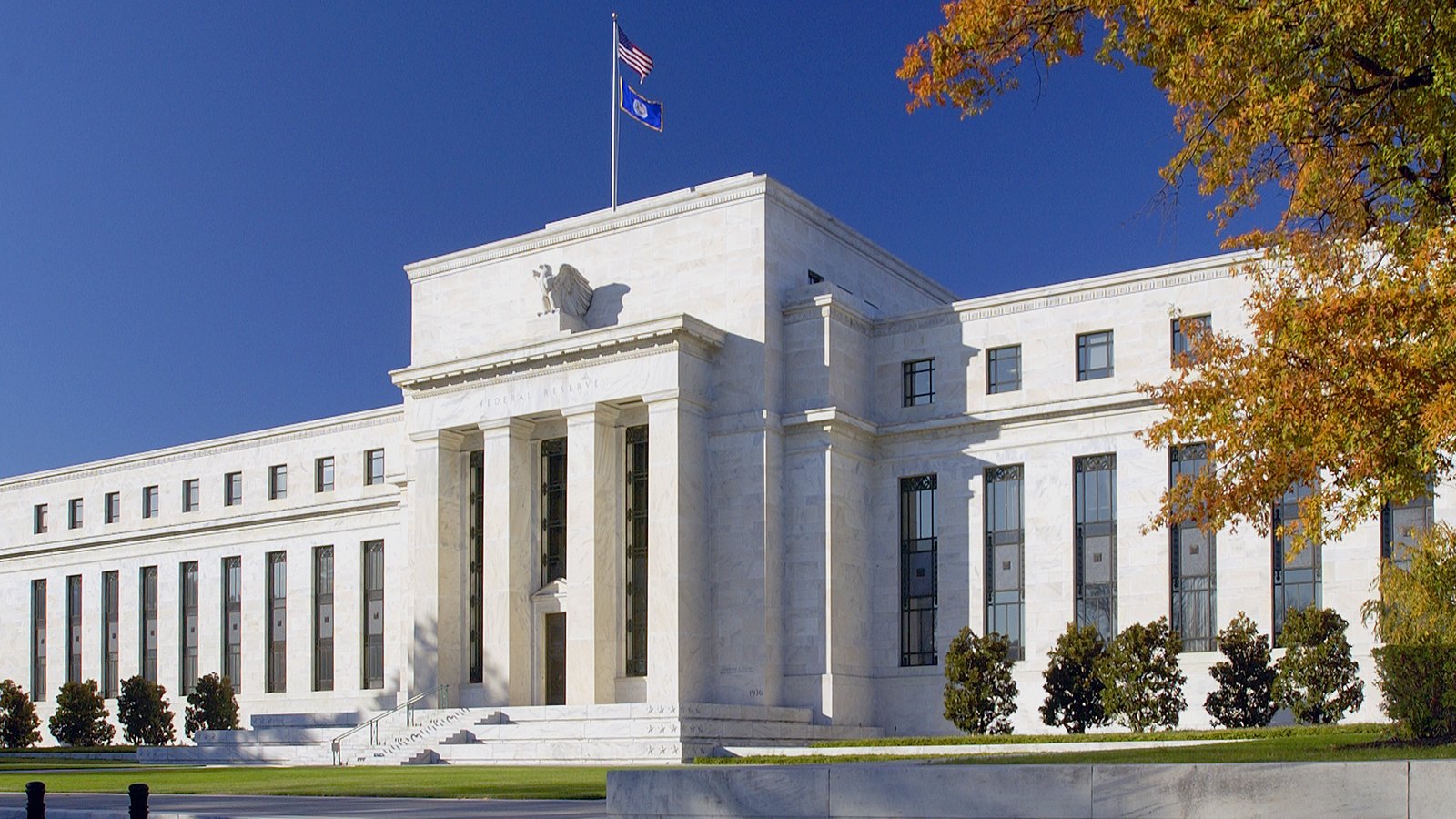
The Fed held rates in July. The minutes released on Wednesday say why, and they say what the Committee expects to do if inflation does not co-operate.
Most participants supported leaving the target range at 3-1/2 to 3-3/4 percent, on the reasoning that information arriving before the next meeting could reduce uncertainty about the inflation outlook. Several participants wanted a quarter point rise there and then, judging price pressures to be broad based and the stance insufficiently restrictive to meet the Committee's commitments on prices and employment. Three of the twelve voting members recorded that view as a dissent, which the 29 July statement had already shown.
The sentence carrying the most weight is about the meetings still to come. Many participants assessed that policy tightening would likely be necessary if inflation did not decline. Some went further and said financial conditions might not currently be restrictive enough to bring inflation back to 2 percent. A few of those who wanted a rise in July argued that moving then would help forestall a steeper and more costly sequence of increases later.
The market and the Fed's own survey do not agree
The clearest disagreement in the document is not between participants. It is between two readings of the same market.
Going into the July meeting, market pricing carried about a one in three chance of a rise at that meeting. At longer horizons the market was fully pricing a 25 basis point increase by the September meeting, and another by the end of the first quarter of next year. The median respondent to the Open Market Desk's own survey of market expectations took the opposite view: no change in the policy rate this year or next, and a cut in early 2028.
Those two positions cannot both be right, and the minutes set them beside each other without resolving them. Nominal Treasury yields rose 25 to 30 basis points over the intermeeting period, driven by higher real rates rather than by inflation compensation.
The inflation numbers the Committee was looking at
The staff put total PCE inflation at 4.1 percent in the twelve months to May and core at 3.4 percent, both higher than a year earlier. Working from the consumer and producer price indexes, the staff estimated that total PCE inflation stepped down to 3.7 percent in June, led by consumer energy prices, with core edging down to 3.3 percent.
Participants judged their inflation outlooks highly uncertain and the risks skewed to the upside. Many pointed to the re-escalation of the conflict in the Middle East. Several noted that repeated supply shocks have delayed the return to 2 percent more than once already, which is why continued elevated readings now raise a question about expectations and wage setting rather than only about prices.
The Committee next meets on 15 and 16 September.