Seven trade associations asked the D.C. Circuit to undo the forever chemicals cleanup rule, and the court denied every petition
Over 800 substances are already on the list. On Tuesday the D.C. Circuit refused to take two of them off.
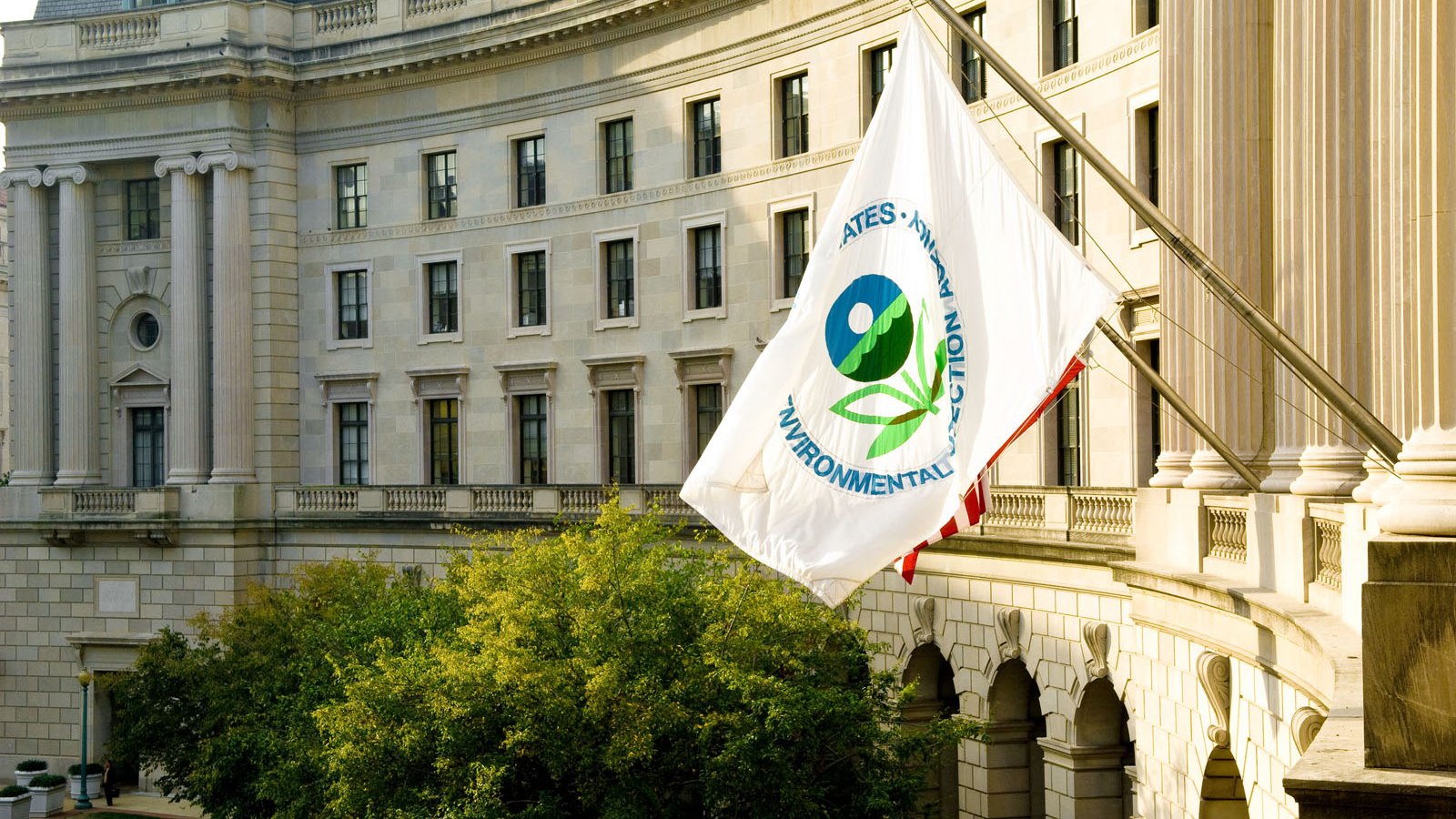
The court denied every petition brought against the Environmental Protection Agency's May 2024 rule designating perfluorooctanoic acid and perfluorooctanesulfonic acid, the two most common of the forever chemicals, as hazardous substances under the Superfund statute. Judge Millett wrote for a panel that also included Judges Katsas and Rao.
Seven associations brought the case. The Chamber of Commerce of the United States led, joined by the American Chemistry Council, American Fuel and Petrochemical Manufacturers, the Associated General Contractors of America, the National Waste and Recycling Association, the Recycled Materials Association and the American Forest and Paper Association. Clean Cape Fear and others intervened on the agency's side. The attorneys general of fourteen states and of the District of Columbia filed as friends of the court supporting the agency, led by New York.
Why the label matters more than it sounds
Before the rule, the two chemicals were regulated under the same statute as pollutants or contaminants. That is a weaker category than it looks.
A hazardous substance release opens what the statute calls a section 106 cleanup, where the agency can compel the parties responsible to do the work themselves. It also opens cost recovery, so that public money spent on a cleanup can be reclaimed from whoever caused it. For pollutants or contaminants there is no such refund action, and the bill falls on the Superfund or on congressional appropriations. Moving a chemical between those two categories moves who pays.
The three arguments, and how each failed
The associations said the agency read the statutory phrase "may present substantial danger" too loosely, arguing it should require that danger will occur on release. The court held the plain text refutes that, and that the reading the petitioners wanted was not what Congress wrote.
They said the cost-benefit analysis had never been properly put out for comment. The court pointed to the sequence: an Economic Assessment published in August 2022, comment invited on thirteen separate questions, and a proposed rule one month later that asked directly whether cost may be considered under the statute at all and what should count if it is.
They said the agency acted arbitrarily by regulating while acknowledging uncertainty. The court answered that the agency had considered the uncertainties and explained itself, which is the standard, and that the deference owed on technical judgments is real.
The line that reads as a warning to the next petitioner
Near the end the opinion notes that few exercises of regulatory enforcement discretion carry as many required layers of analysis, protection and limitation as this one, and that hundreds of substances have sat on the CERCLA list since 1980. The petitioners, it says, produced no evidence that parties responsible for contamination have been unfairly saddled with liability, or that the statute has hamstrung industry.
Loper Bright is cited, and it did not help the challengers here. The court used it to say that it decides the best reading of the statute for itself, then decided that the agency's reading was the better one.