Ten Ecuadorean fishing boats have been blocked as trafficking property, and Treasury says the work most of them did was refuelling, feeding and watching for the coastguard
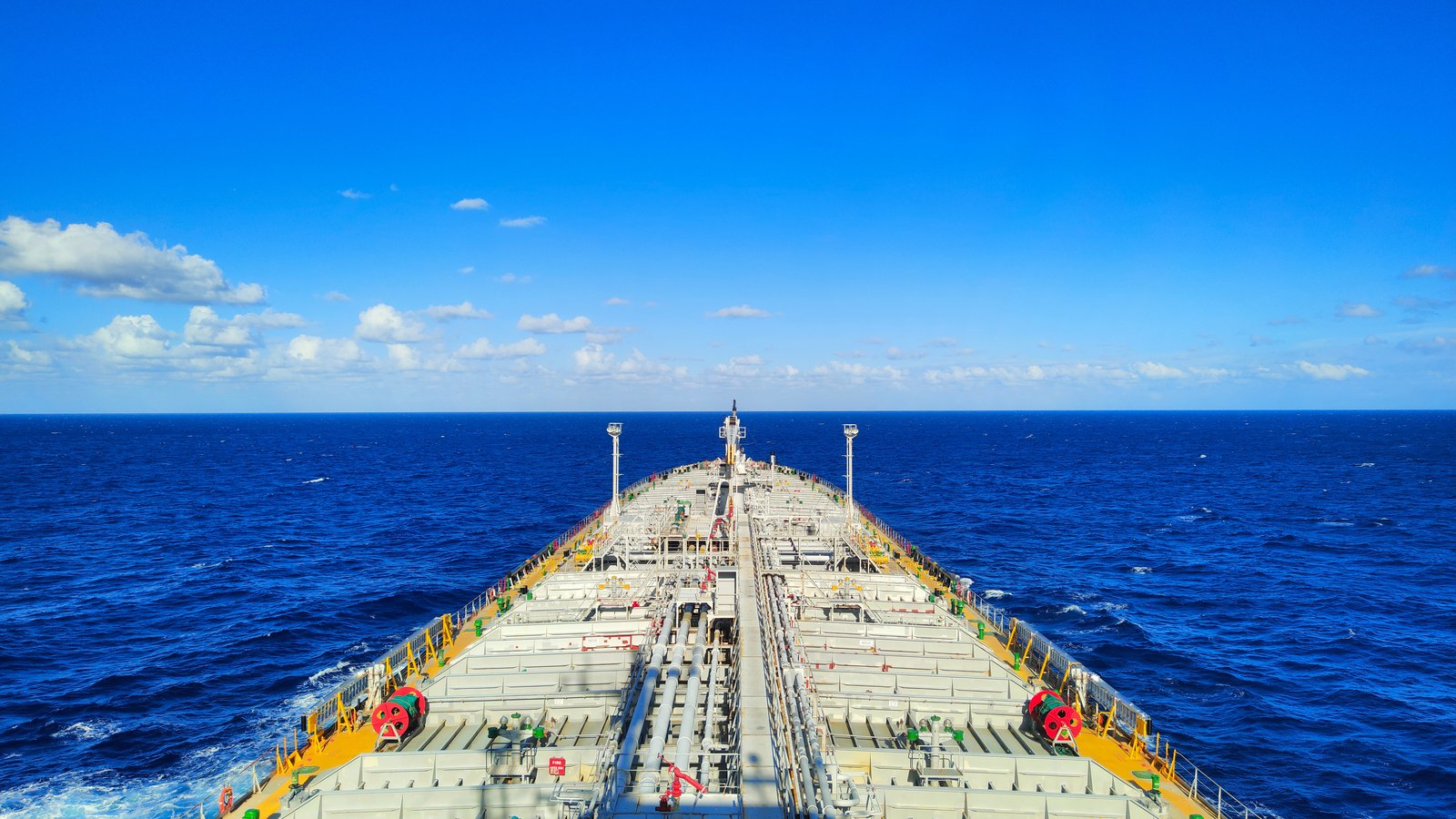
 Stock photo
Read the vessel list first, then read what the vessels are said to have done. It is the gap between the two that makes this action unusual.
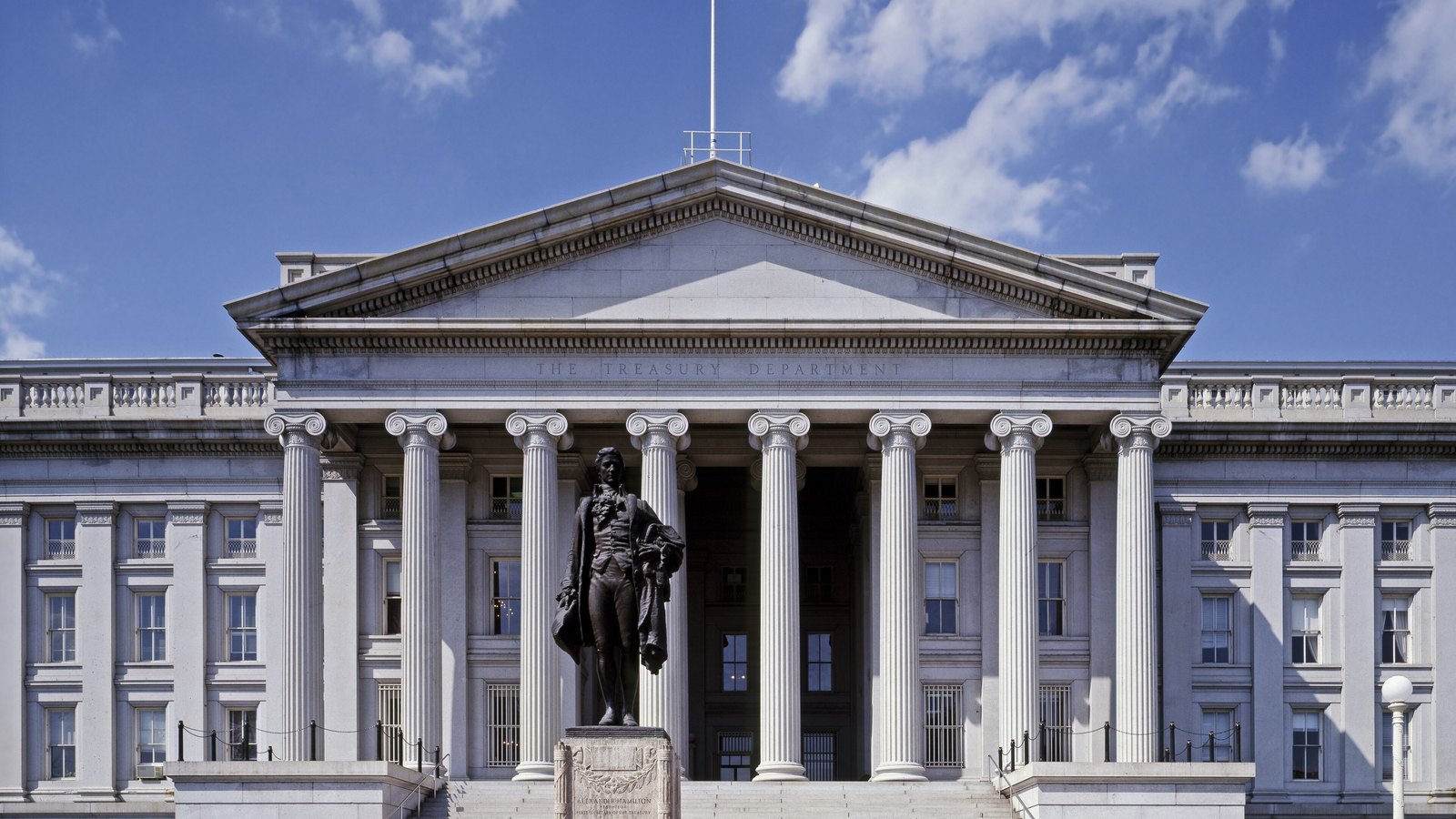
The Treasury Department's Office of Foreign Assets Control designated 15 Ecuador-based targets on Thursday and identified 10 fishing vessels as blocked property. The boats are Todos Vuelven, four of the Arca De Noe fleet, Conquista, Siempre Mi Arca, Rey De Arca, Costa Marlin and Solo Es Mejor, working out of Manta on the Ecuadorean coast.
Only one of them, according to OFAC, actually carried cocaine.
A filling station, not a courier
What the rest are said to have done is the supply chain rather than the cargo. OFAC's account is that the fleet met the small, fast boats that run north through the Eastern Pacific, and gave them fuel, food and medical help at coordinated points along the route, while watching the horizon for law enforcement so the loaded boats could get through to Mexico. Todos Vuelven is the exception the release names, described as carrying multi-ton quantities itself on top of the logistics work.
One clause in the release does more work than the rest of the paragraph it sits in. The fuel the boats used to keep the traffickers moving, OFAC says, was government-subsidised.
The names, and one company that sells cement
The designations run through a family. Alfonso Mero Mero and his two sons, Roberth and Edwar Mero Arcentales, are named alongside the family firm Arcasdenoe, S.A. Julio Javier Mero Franco is described as coordinating the movement of roughly 30 to 40 tons of cocaine a month from Ecuador to Central America and Mexico, which is the largest single volume figure in the document. Milton Edixon Martinez Mendoza, Jhonny Francisco Vera Laz and Byron Aldino Mero Bermello are also designated.
Jimmy Leonidas Alarcon Holguin brings six companies with him, because OFAC has designated everything the release says he owns or controls. Five are marine fishing businesses. The sixth, Globaldistrial, S.A.S., trades construction materials, and the release offers no explanation for what a builders' merchant is doing inside a fishing network.
Most of the designations rest on Executive Order 14059, the drug trafficking authority. Two of them, for Mero Franco and Martinez Mendoza, also rest on Executive Order 13224, the counterterrorism order, because the State Department designated Los Choneros and Los Lobos as foreign terrorist organisations in September 2025. That second authority is what exposes a foreign bank handling their money to correspondent account restrictions.
The wider count
Treasury places this inside a campaign it has been running since the start of 2025: nearly 30 actions against more than 300 individuals and entities. The seizure figure comes from a different arm of it. The Coast Guard's Operation Pacific Viper, running since August 2025, had taken more than 225,000 pounds of cocaine out of the Eastern Pacific by June, which is about 112 tons.
The release credits the Drug Enforcement Administration, Joint Interagency Task Force-South, a Homeland Security task force in Tampa, the Florida National Guard's counterdrug programme, the Office of Naval Intelligence and the Coast Guard, along with U.S. Southern Command, which the document places under the Department of War.
Nobody named on Thursday has been convicted of anything in this document. A designation is an administrative act, and the release is Treasury's account.